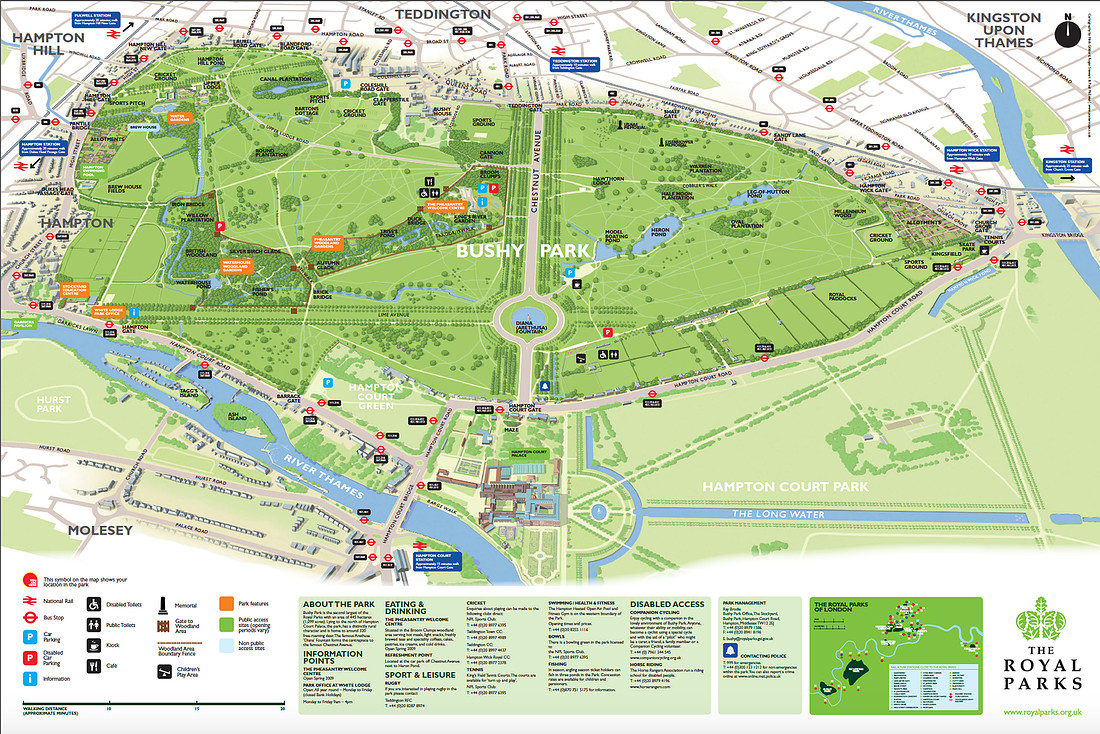
Bushy Park is like a patchwork quilt of English history.
It has remains of medieval farmland, a Tudor deer park, 17th century water gardens and wartime camps.
With over 445 hectares (1,099 acres) of land, Bushy Park is the second largest Royal Park in London and has an incredible range of wildlife and habitats within its walls.
Bushy became a royal park in 1529 when Cardinal Wolsey gave it to King Henry Vlll as part of a gift that also included Hampton Court. Until then, the park had been agricultural land. When the land was given to King Henry Vlll, he immediately created a deer chase. He built a brick wall around the park - and a section of this
 remains along the north side of Hampton Court Road.
Deer continued to be hunted at Bushy throughout the 17th century - but the character of the park changed. In 1610, King Charles I created the Longford River - an ornamental canal, 19km (12 miles) long, which brought water from the River Colne in Hertfordshire to water features in the park. The canal was dug by hand but it now appears to be a natural part of the landscape and supports many plants and animals.
Houses were added to the park in the 17th and 18th centuries. These were used as hunting lodges and homes for the ranger. One of them, Bushy House, now belongs to the National Physical Laboratory. New gardens were also planted at this time. The most important are the Woodland Gardens in the south-east corner. They were created in the 20th century and include the Waterhouse and Pheasantry Plantations.
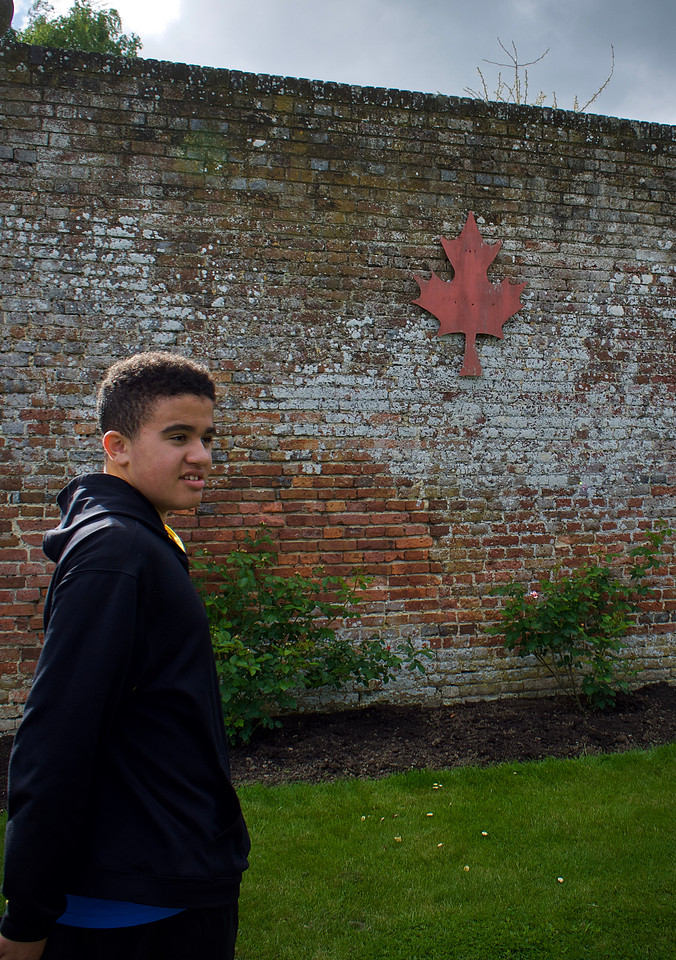
During World War 1, Canadian troops were stationed in the park and Upper Lodge became the King's Canadian Hospital, between the wars it hosted a camp for undernourished children. A totem pole was installed in 1992 in the Woodland Garden to remember this connection with Canada.
In World War 2, part of the park became Camp Griffiss, the base for the US 8th Army Air Force, US Strategic Air Forces and later the Supreme Headquarters Allied Expeditionary Forces. This was where General Eisenhower planned Operation Overlord, the code name for the allied invasion of north-west Europe that began with the D-D landings. Most of the camp's huts were removed by 1963 but you can still see remains of drain covers and stones poking through the grass. There are formal memorials to the USAAF and SHAEF in the north-east corner of the park.
Bushy Park is still a deer park today. Red and Fallow Deer still roam freely throughout the park, just as they did when Henry VIII used to hunt here.
There are currently about 320 deer in Bushy Park, and their grazing is essential to maintain the high wildlife value of the park's grasslands. Unlike cutting, grazing creates more variation in structure and plant diversity and does not damage the anthills, which add further diversity and character to the grassland.
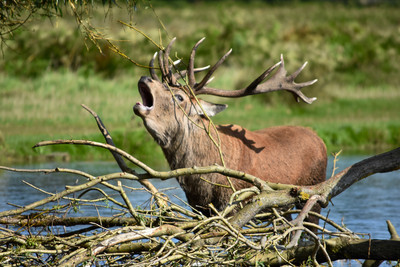 The herds are kept out of the Woodland Gardens and other protected plantations in order to protect the trees and shrubs there. The Red Deer are the largest mammal native to the British Isles and in the summer their coats are glossy red. Fallow deer, introduced by the Romans, are smaller and their summer coats, usually spotted, vary from a cream to darkish brown colour.
During the autumn the deer 'rut' (breeding season) takes place. The Red stags and Fallow bucks compete for females (known as hinds and does respectively). At this time, the large males roar, bark and clash antlers in a spectacular way in an attempt to fight off rivals and attract as many females as possible. The young are born May - July and are hidden by their mothers amongst the bracken and long grass. The young are very vulnerable at this time and their mothers, being sensitive to disturbance, will defend their babies.
Sources: The Royal Parks
A Hidden Gem in Cobham: Painshill Park
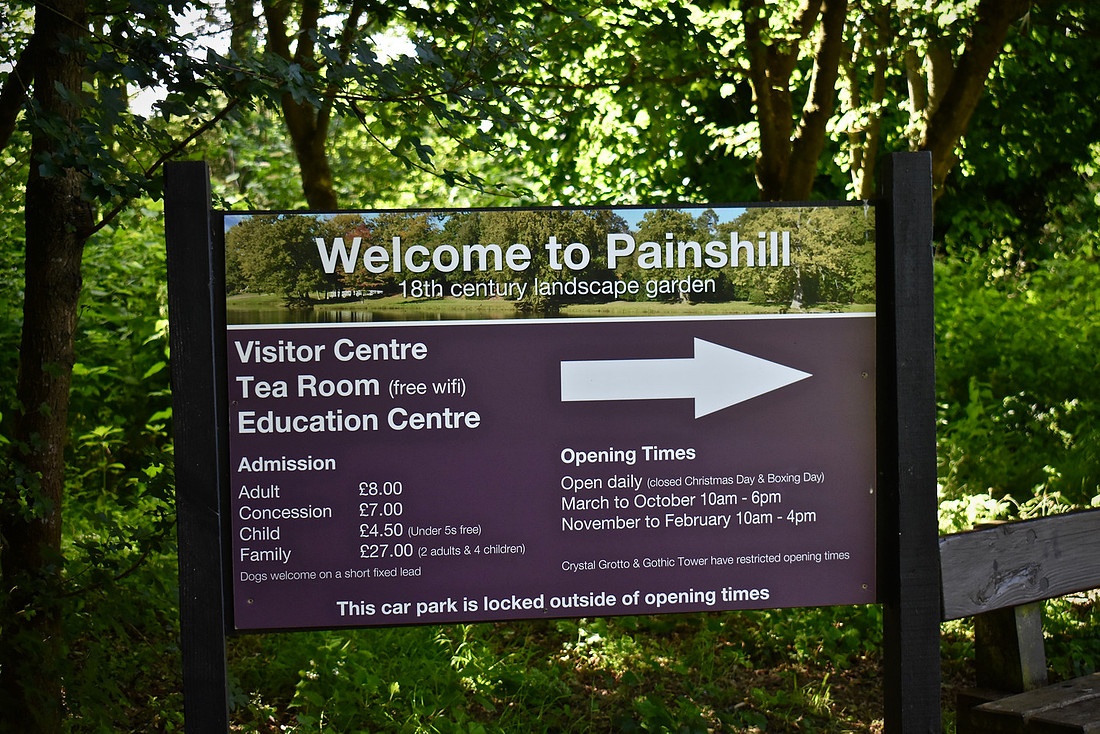
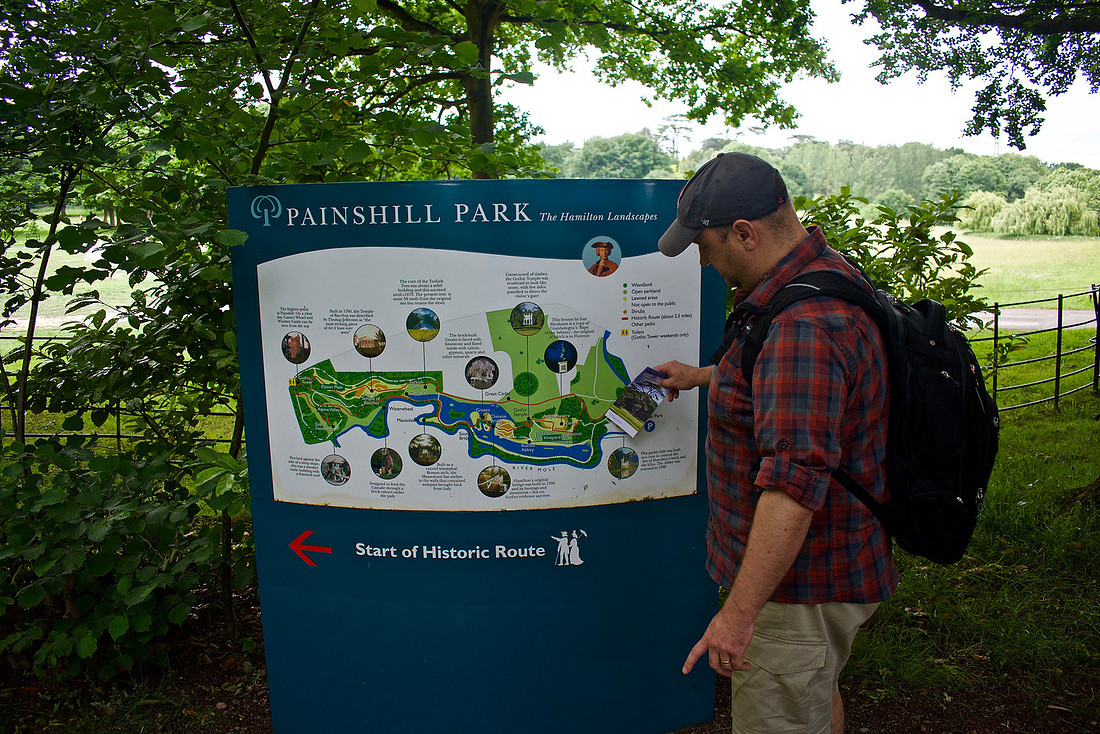
I was looking for an outdoor activity to enjoy on a sunny Sunday afternoon when I discovered Painshill Park in Cobham, England - a hidden gem that offers incredible beauty with much to see and do! Painshill is an award-winning, 158 acre wonderland that was designed and created between 1738 and 1773. The landscape garden stretches along the banks of the winding River Mole on land that has several natural hills and valleys.
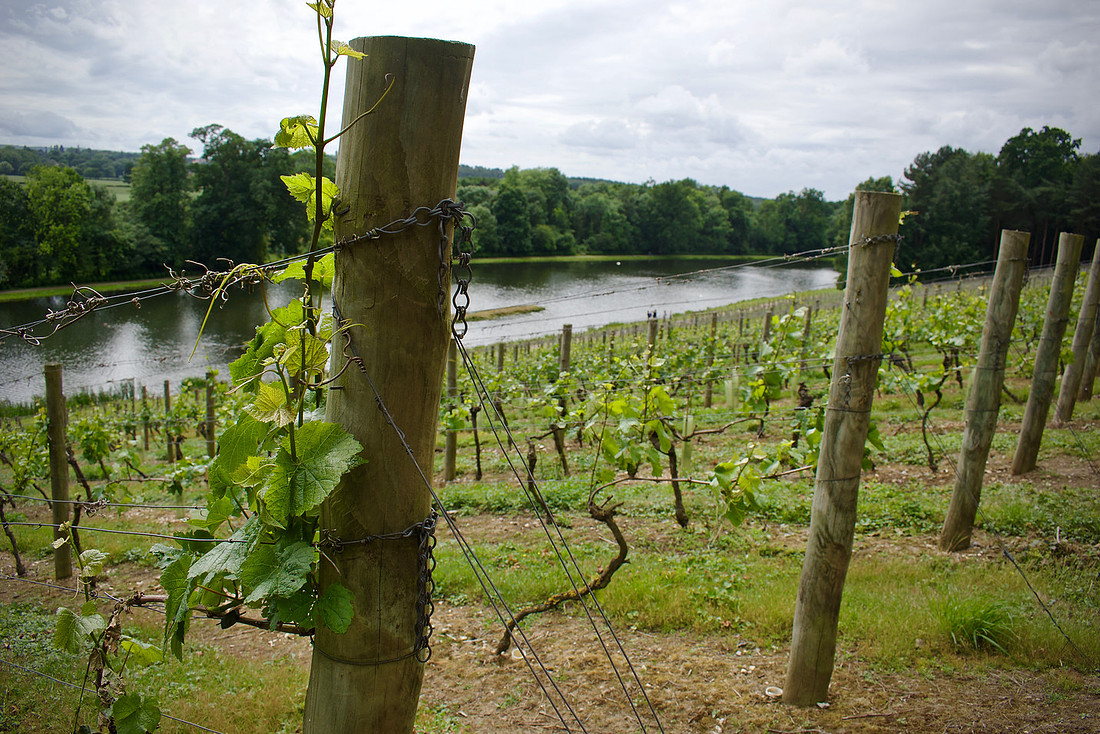
 The first highlight of our walk was coming over a hill to find a two-and-a-half-acre vineyard. The vineyard was planted by Hon. Charles Hamilton in the 18th century, and is still producing Pinot Noir, Chardonnay and Seyval Blanc hybrids.
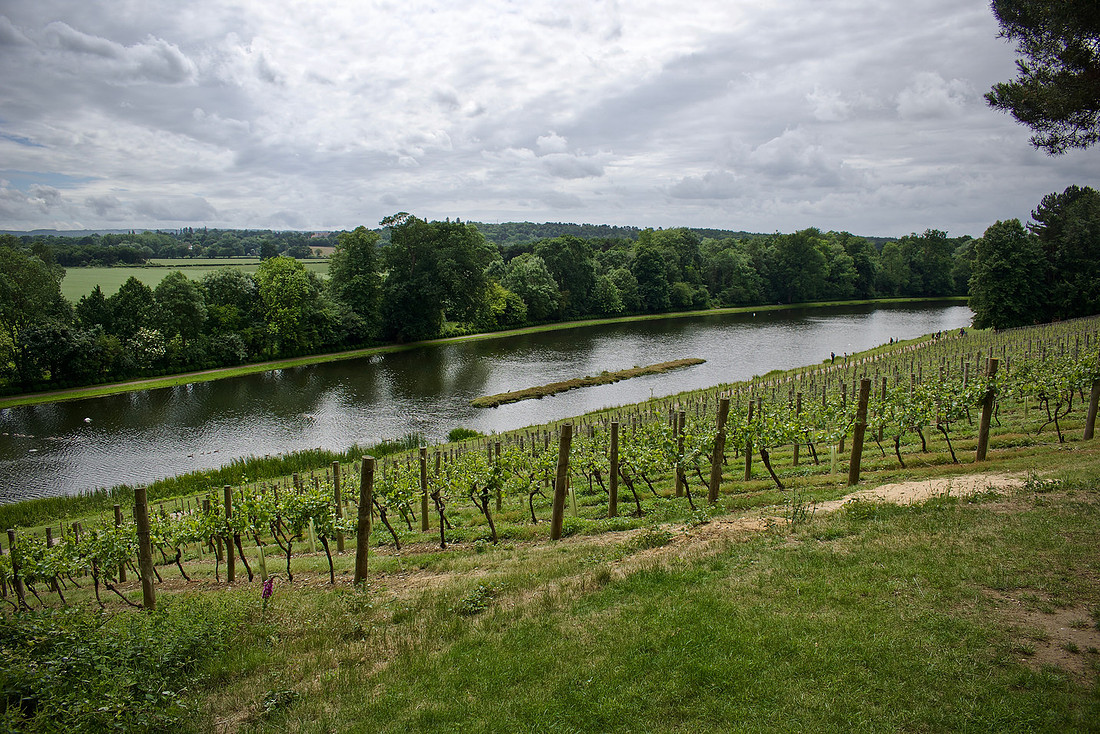
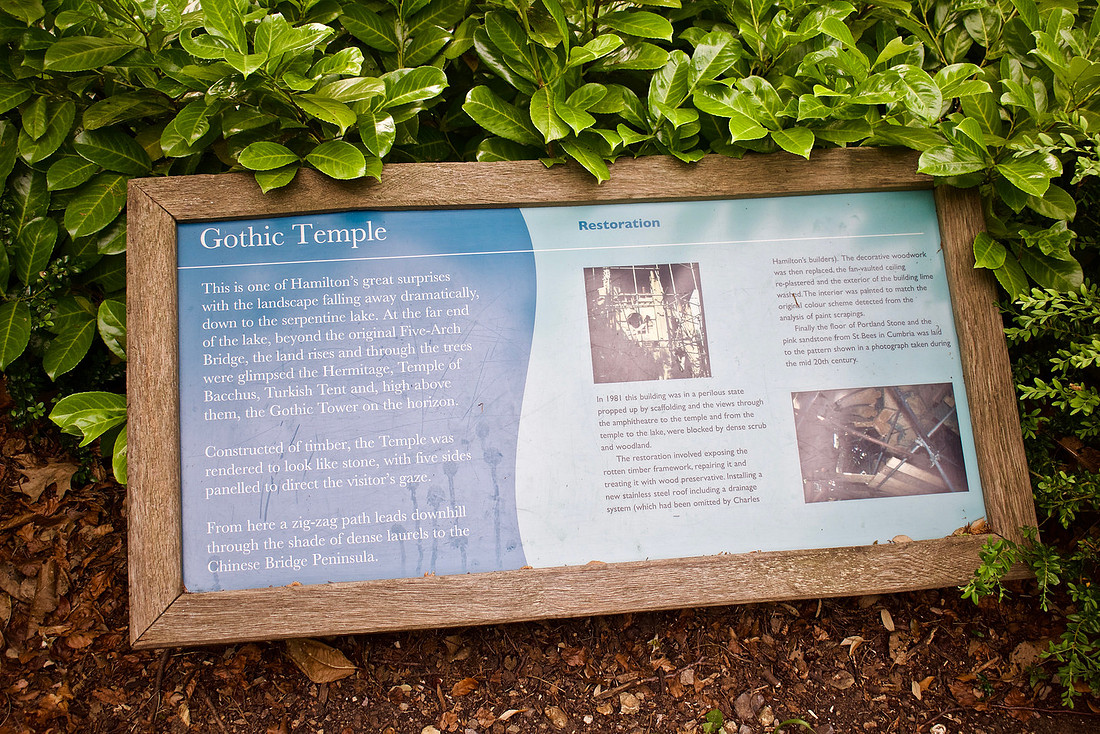
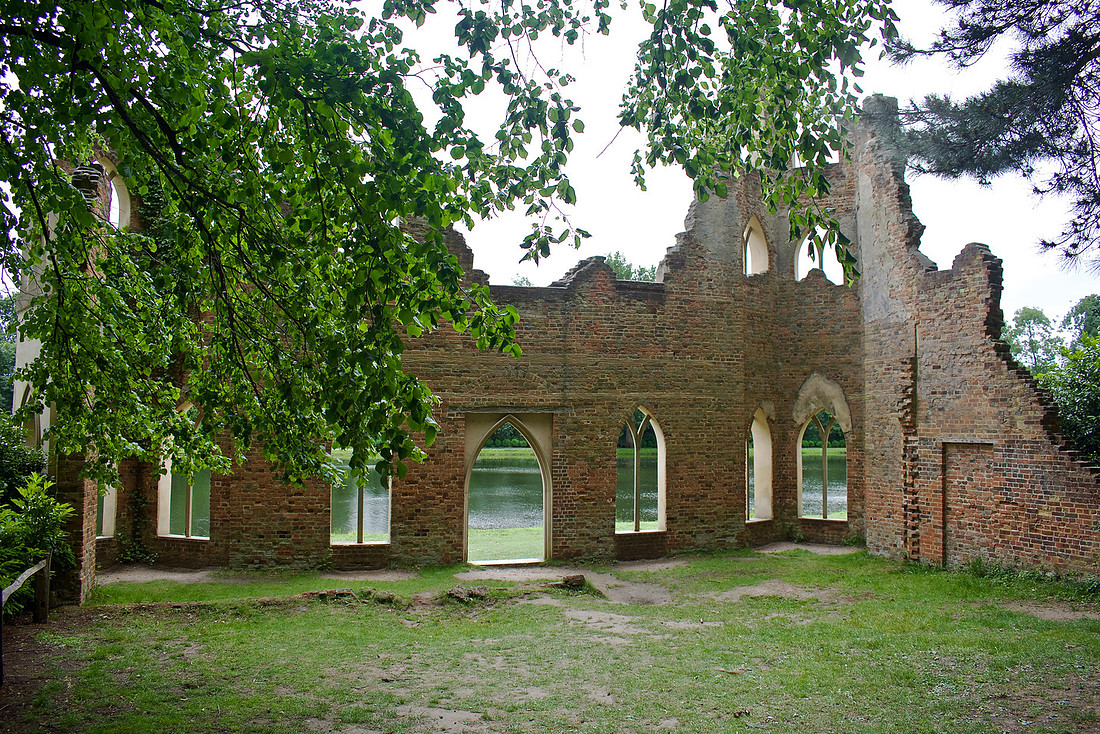
Walking past the vineyard you find the Gothic Temple and then down the hill you catch a glimpse of the Gothic Abbey, which I loved!
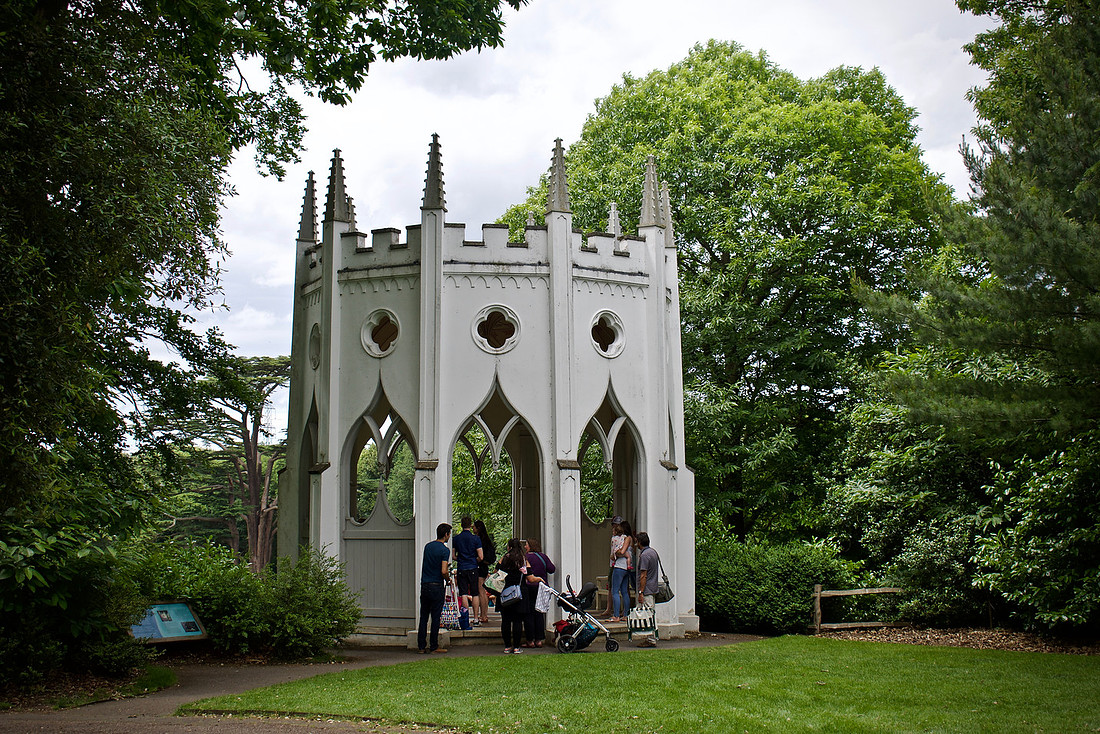
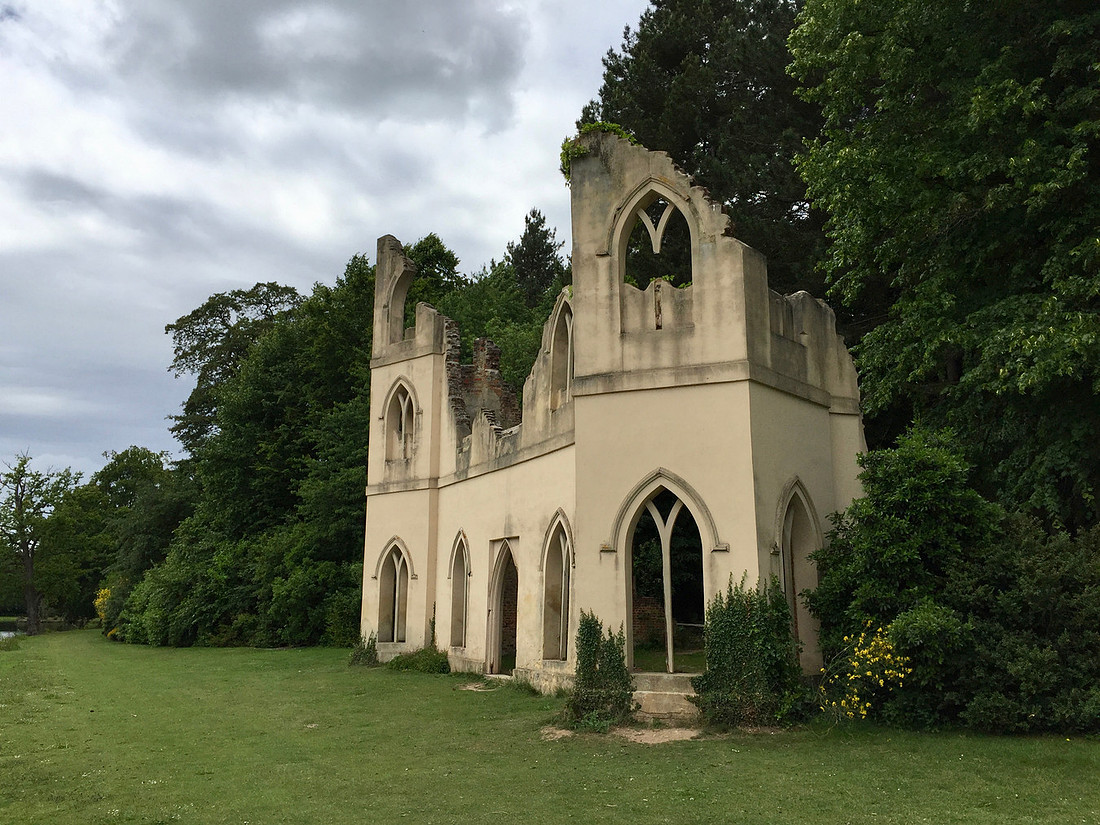
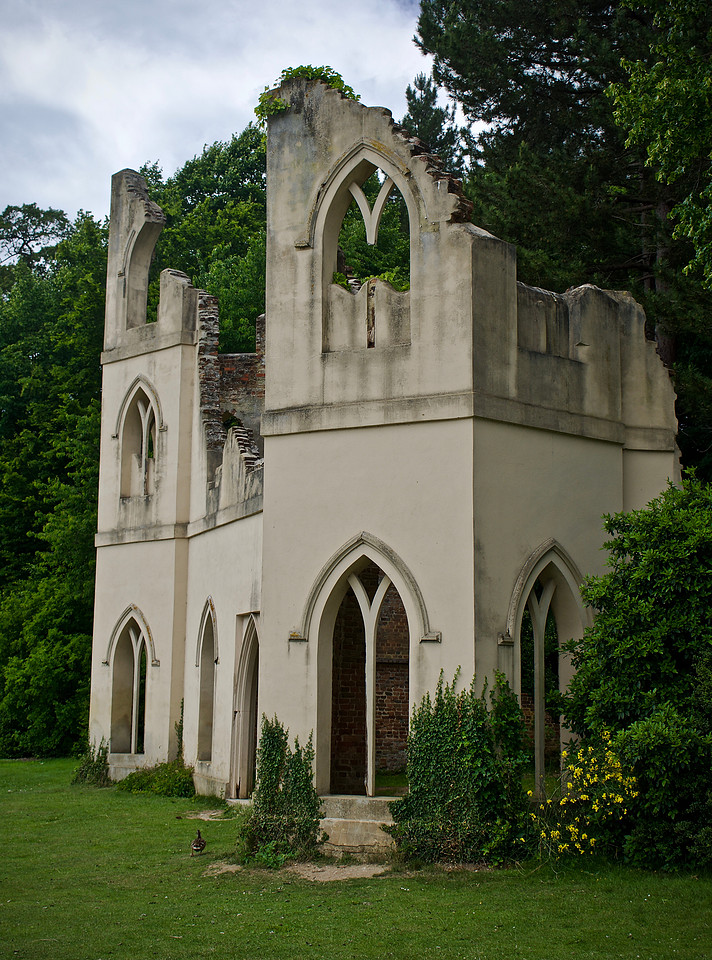
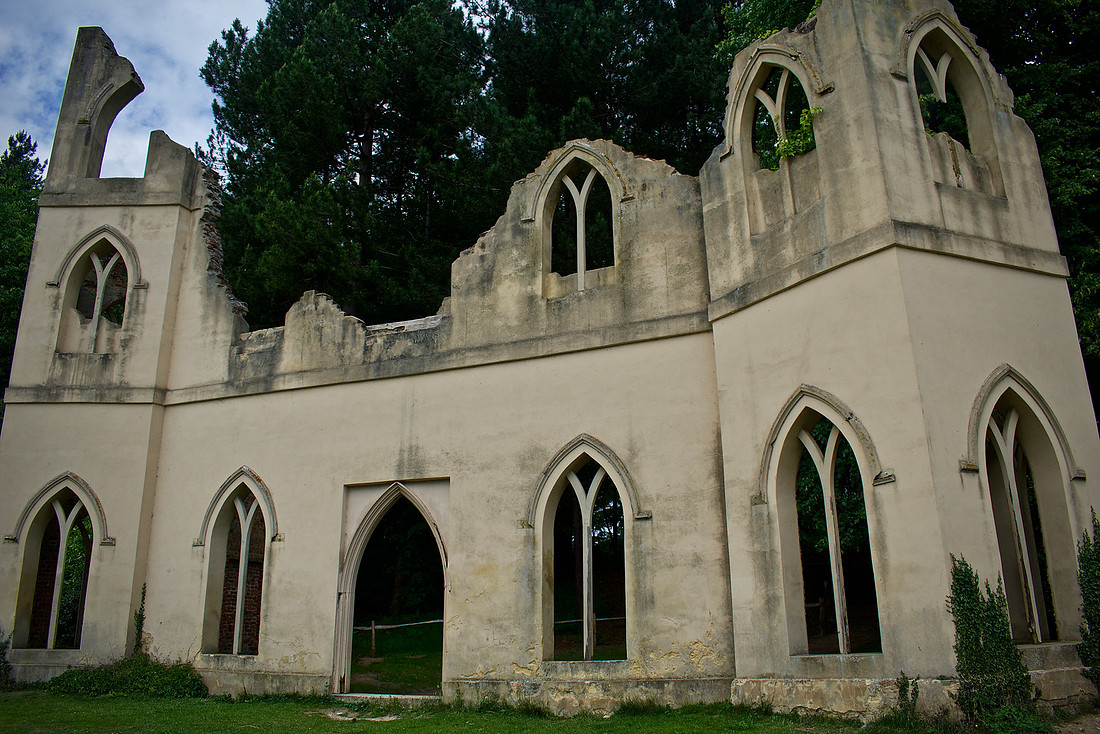
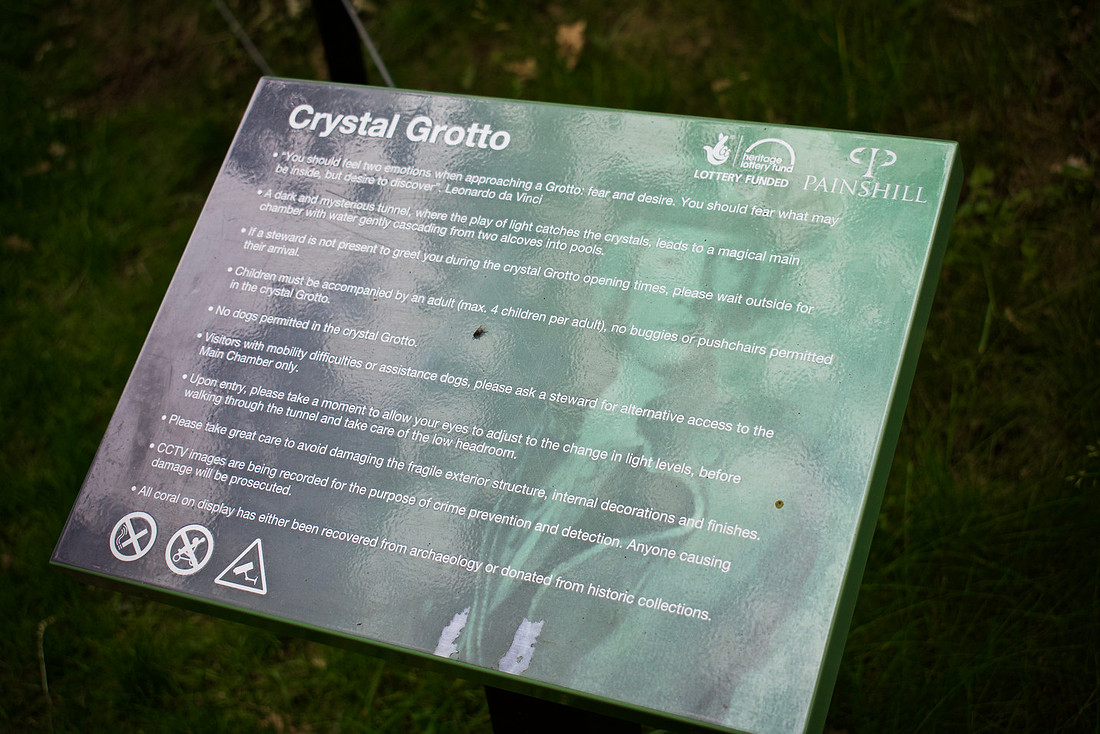
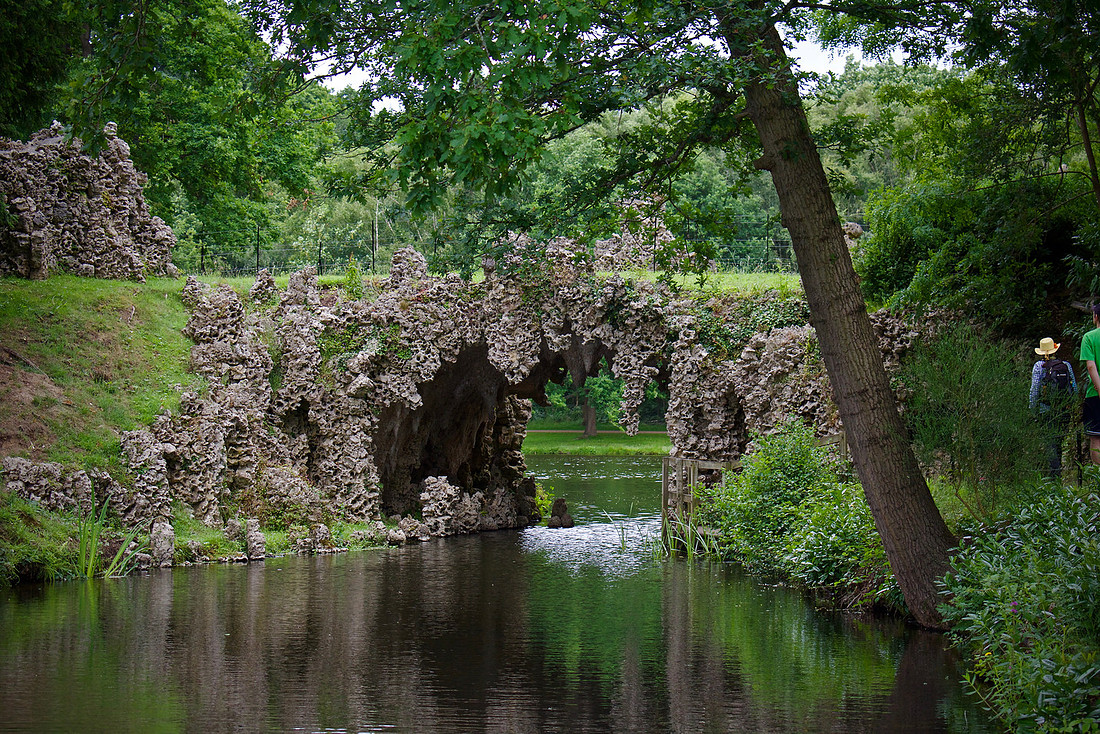
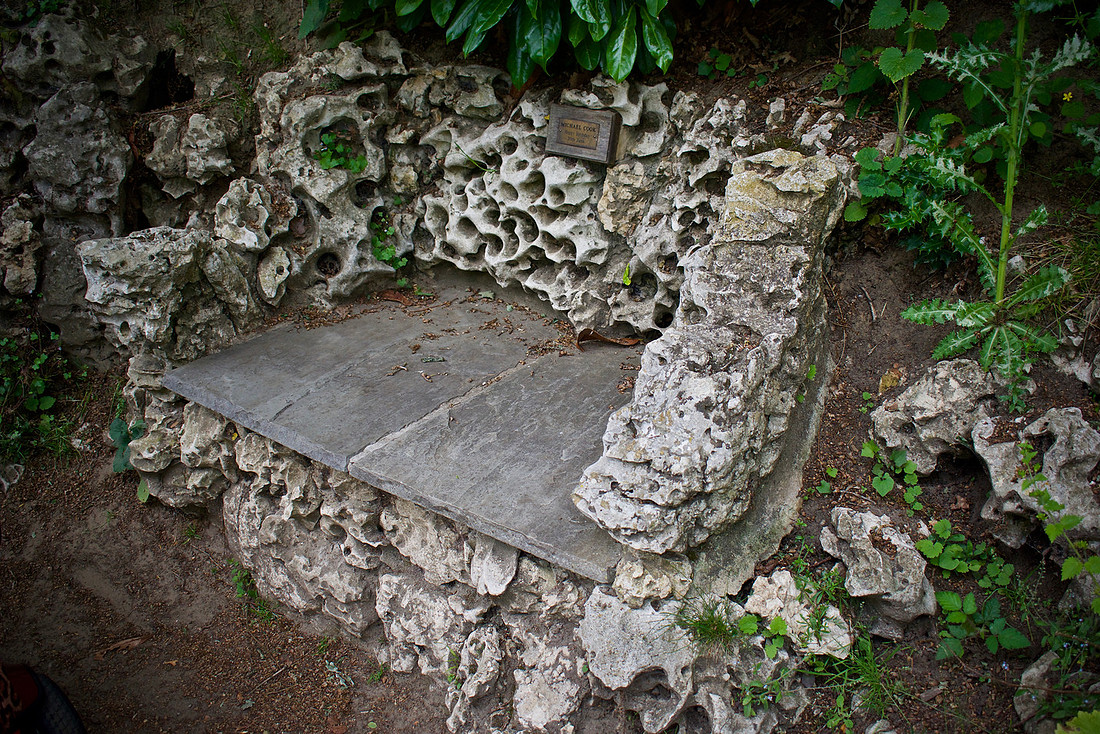
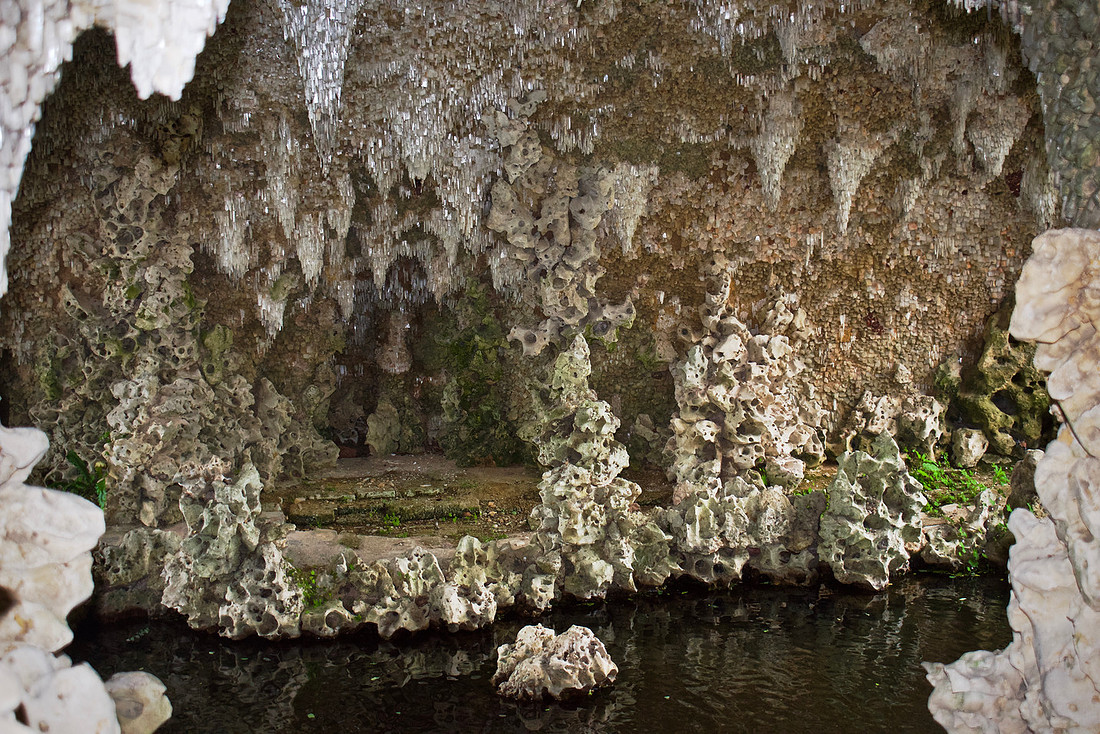
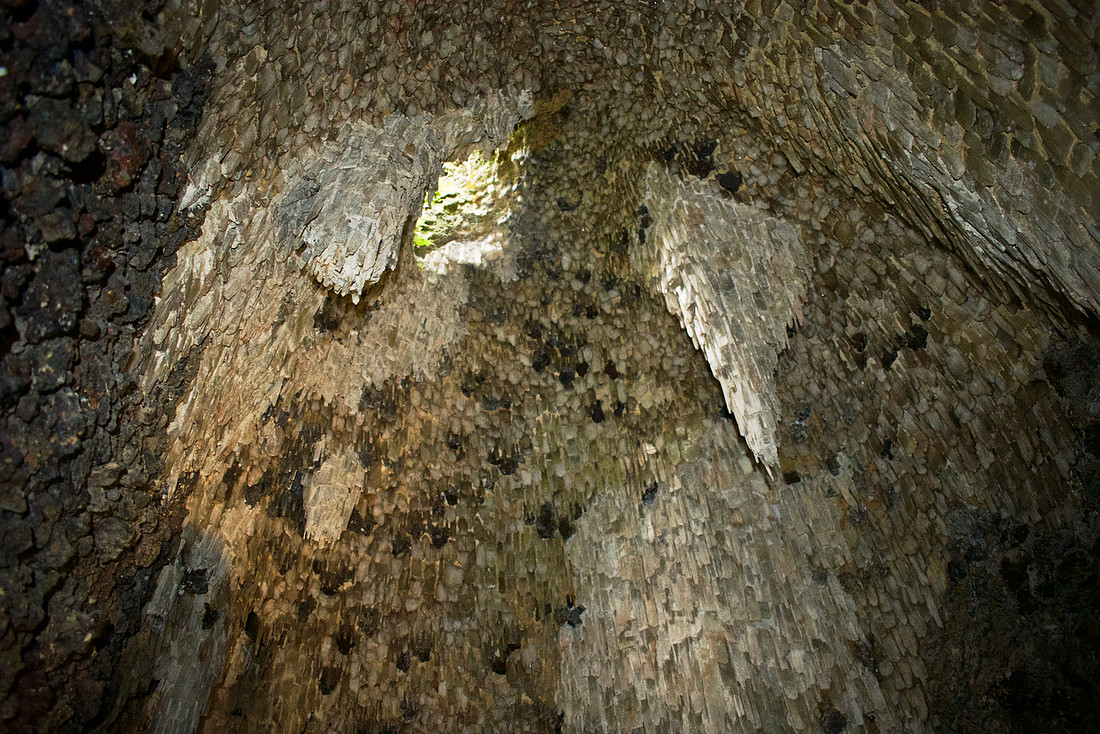
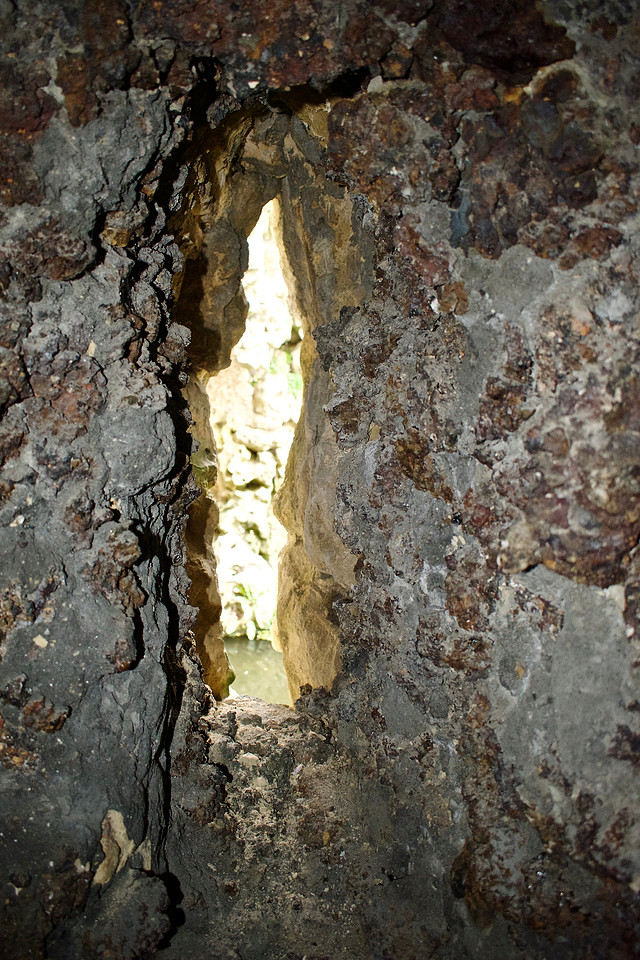
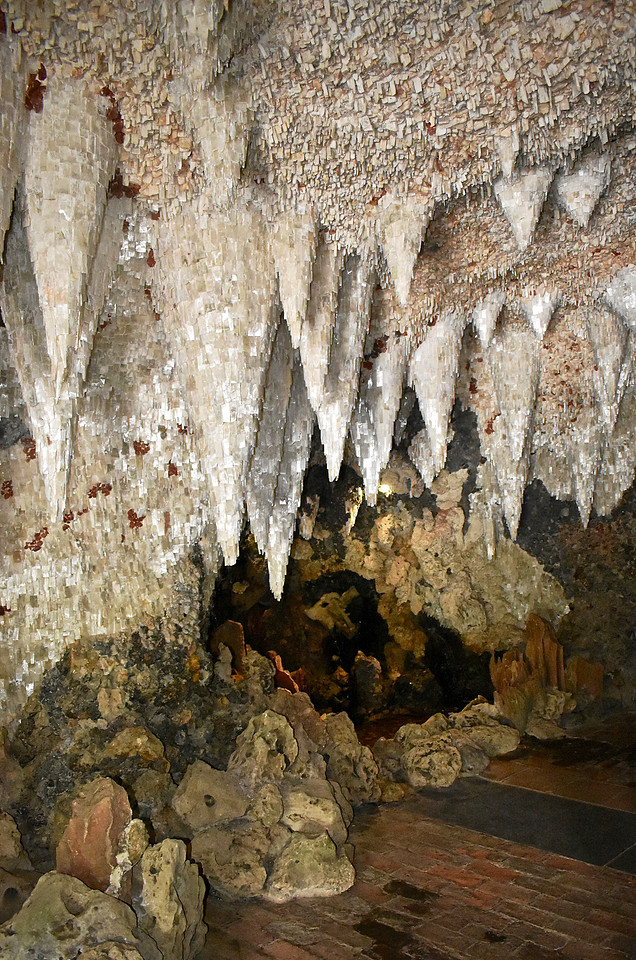
 The true gem of Painshill is the crystal Grotto, which dates back to 1760. During the restoration of the Grotto in 2013, 100s of 1000s of crystals – calcite, gypsum, quartz and fluorite – including originals recovered from archaeological works, were skilfully embedded with lime mortar onto a framework of inverted wooden cones, to re-create the dazzling stalactite effect of the original folly. The Grotto is a must-see! (Tip: The Grotto is only open limited hours so be sure to check before visiting the park.)
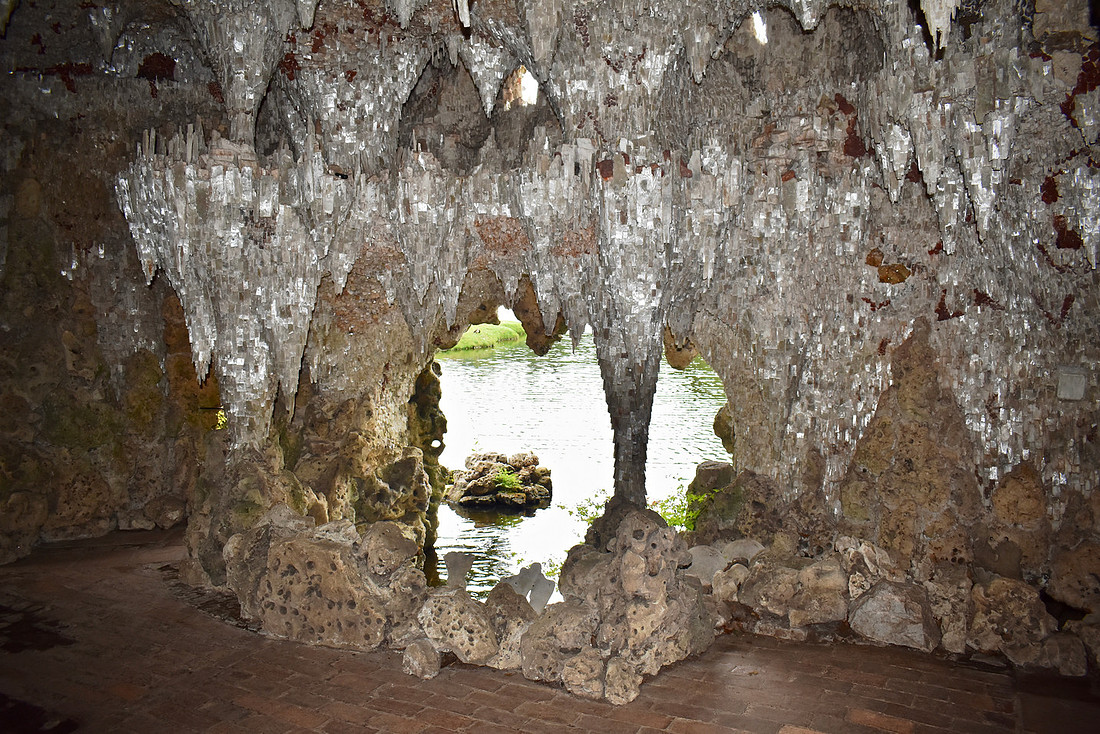
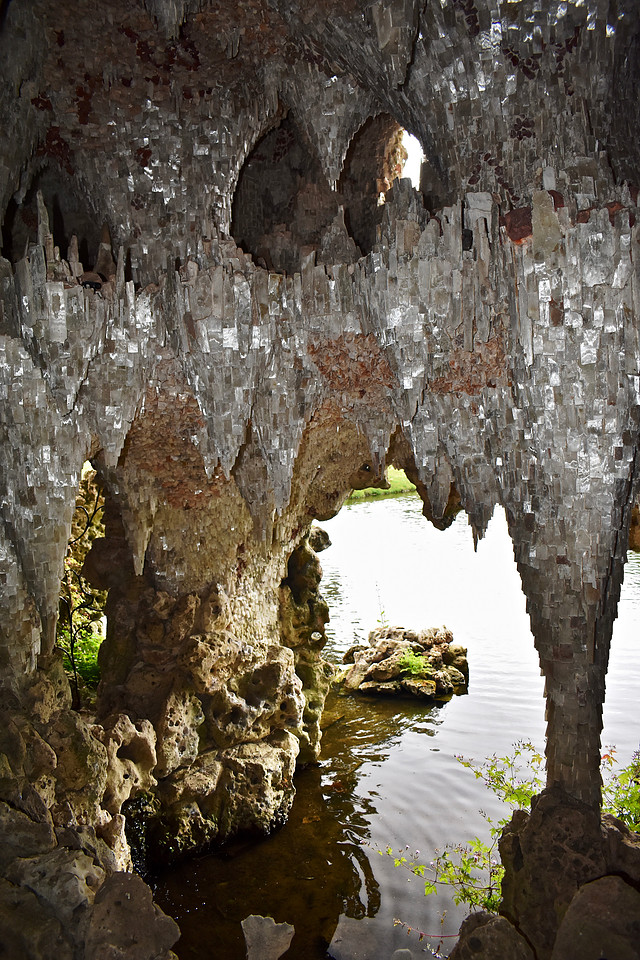
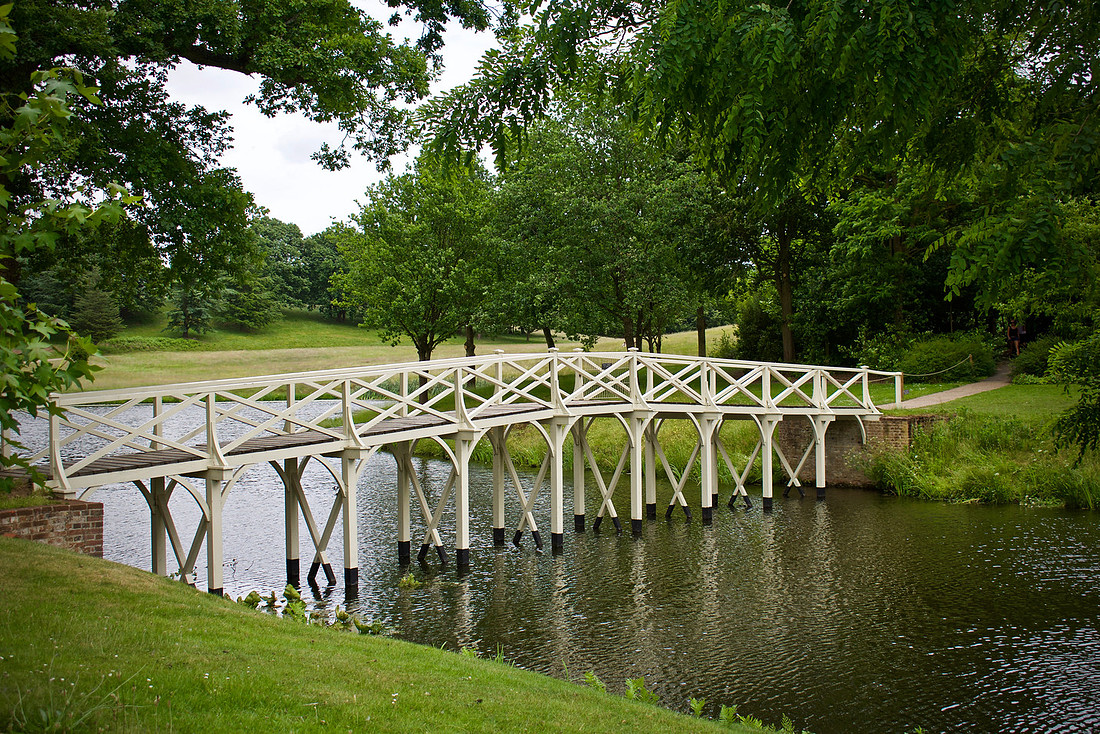
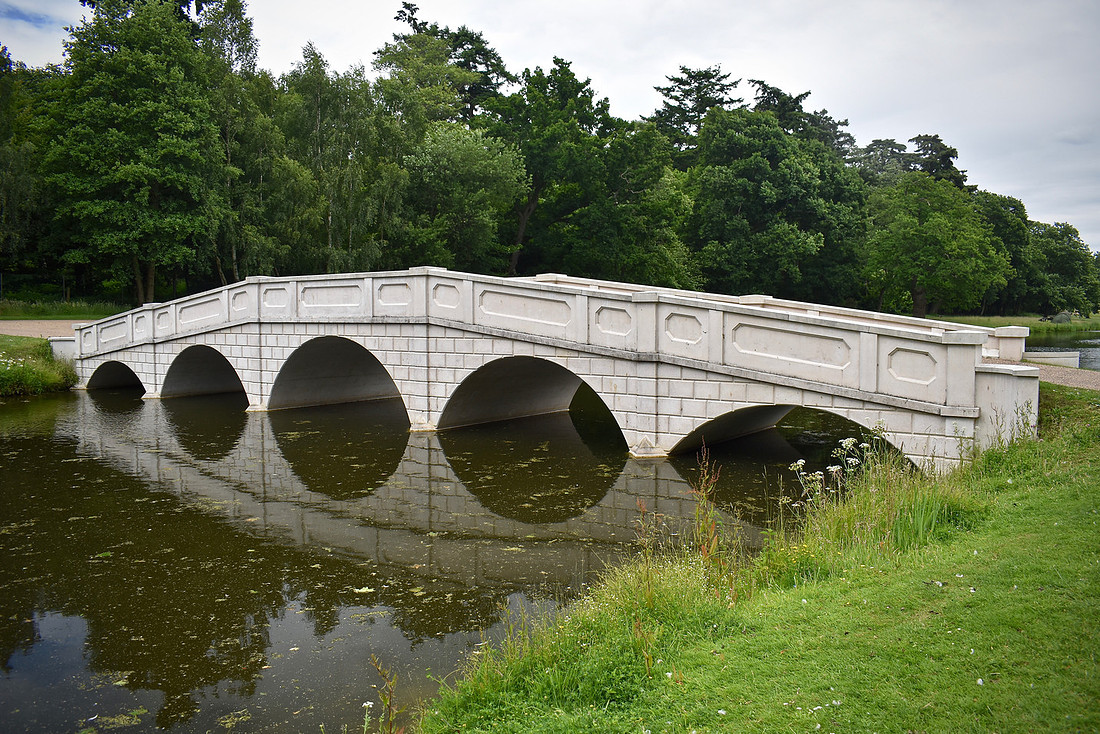
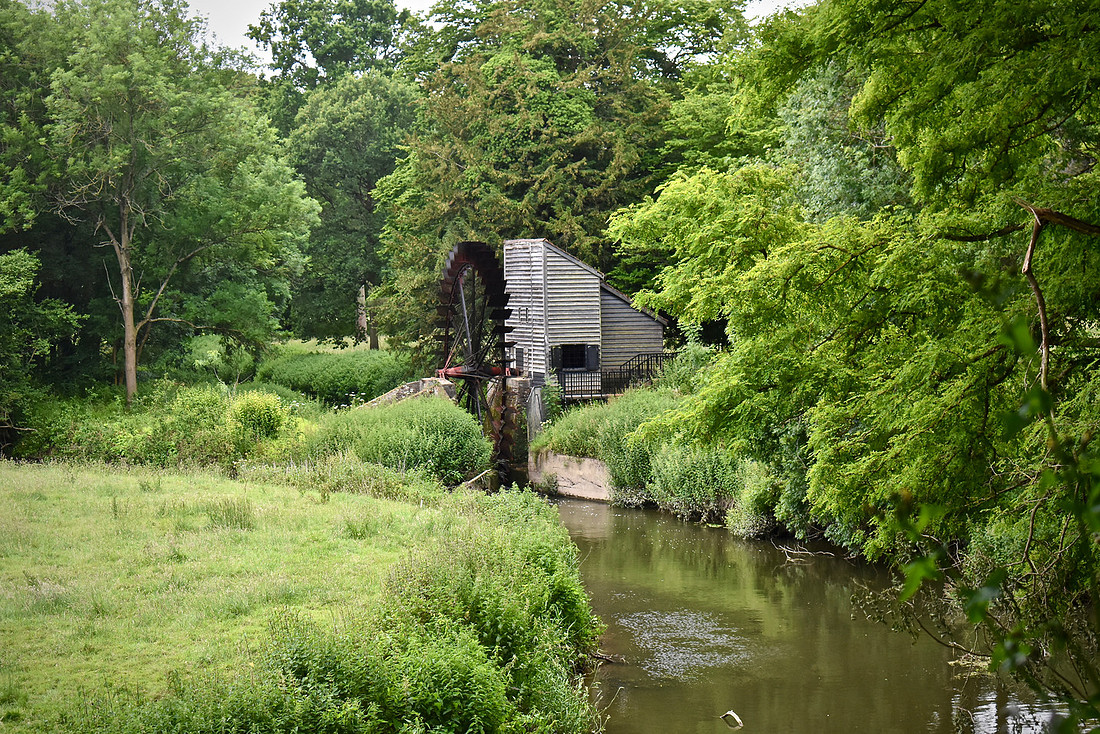
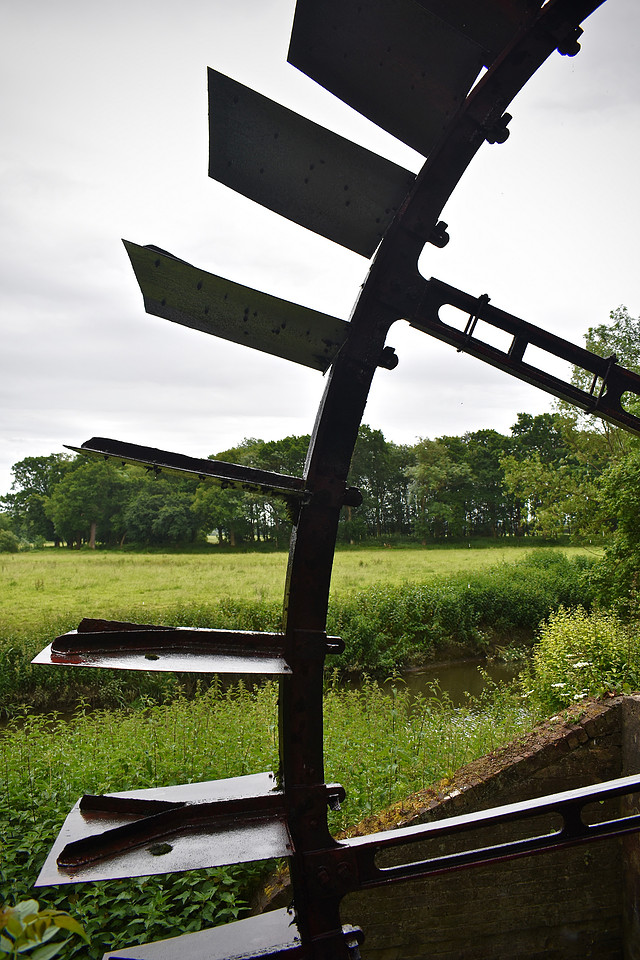
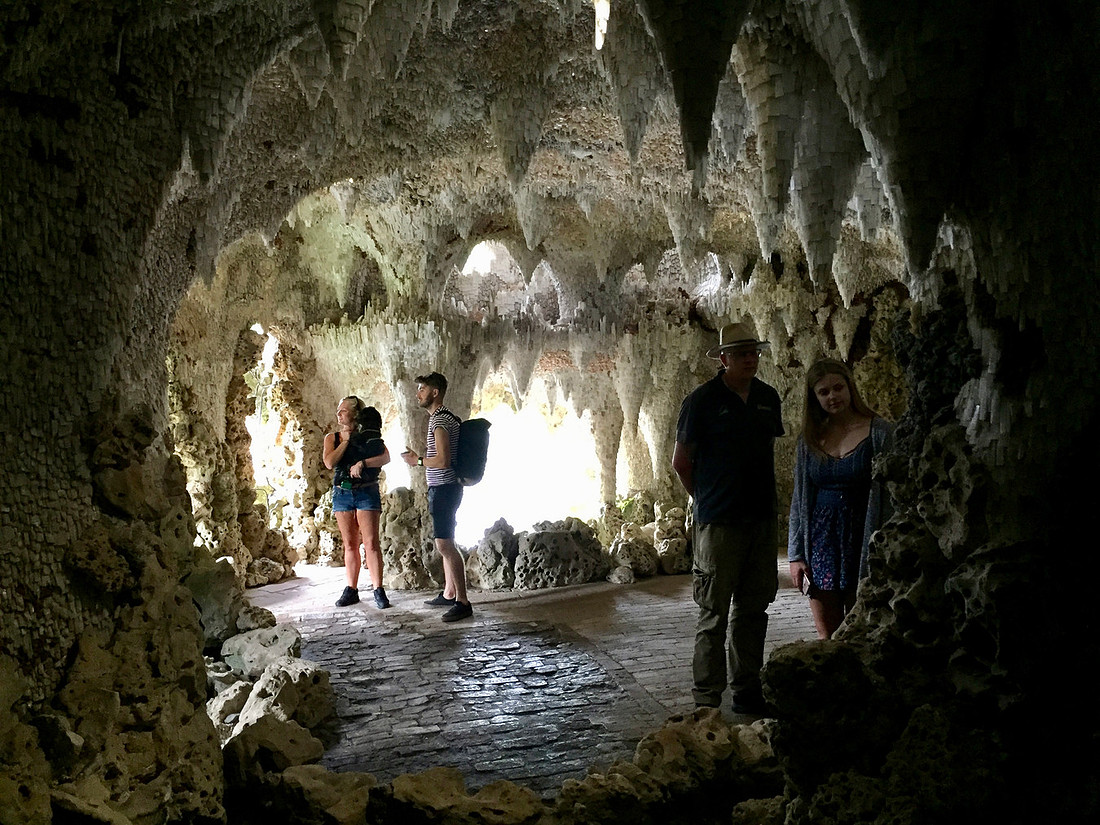 The central feature of the park is a serpentine lake with several islands and spanned by bridges and a causeway. The water for the lake and the plantings is pumped from the River Mole by a 19th-century beam engine powered by a water wheel. The Waterwheel, which operates today, is one of the largest working wheels in the UK.
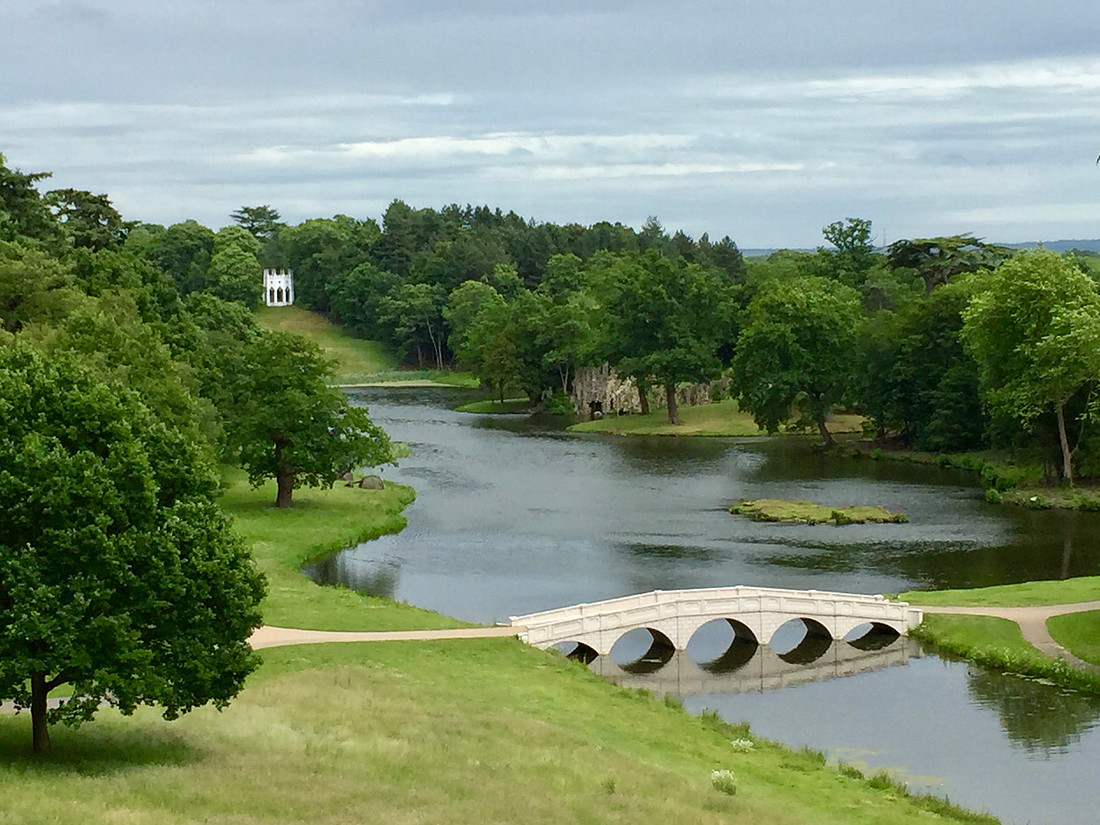
Roman Mausoleum
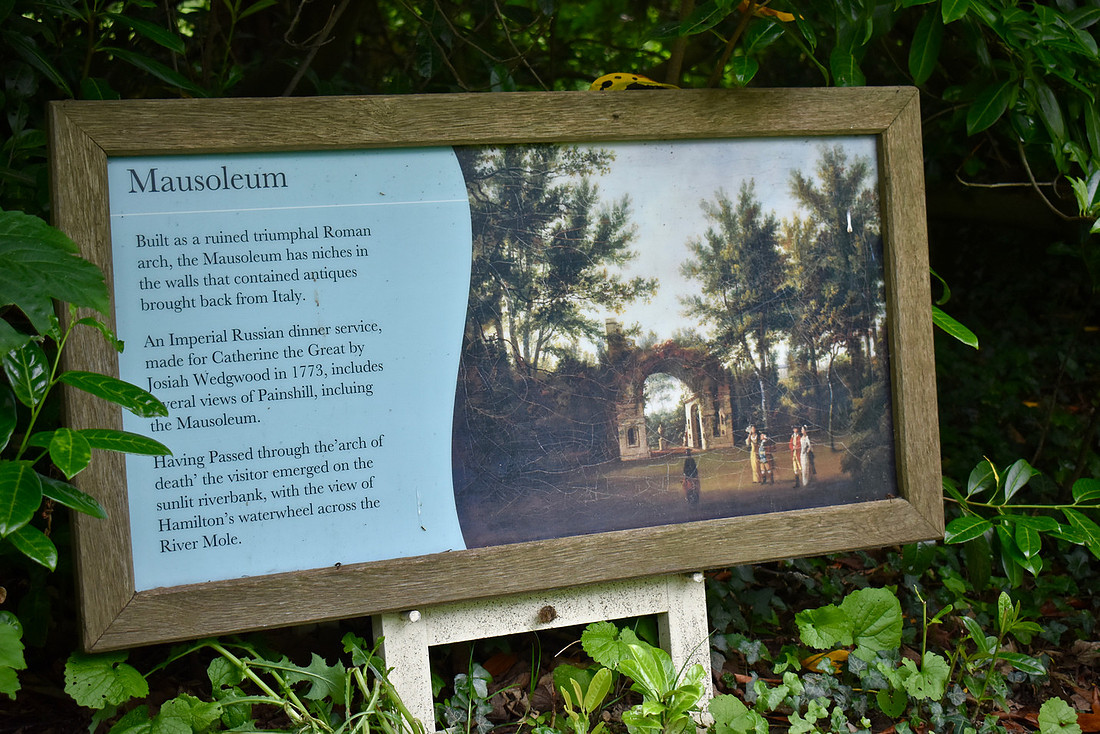
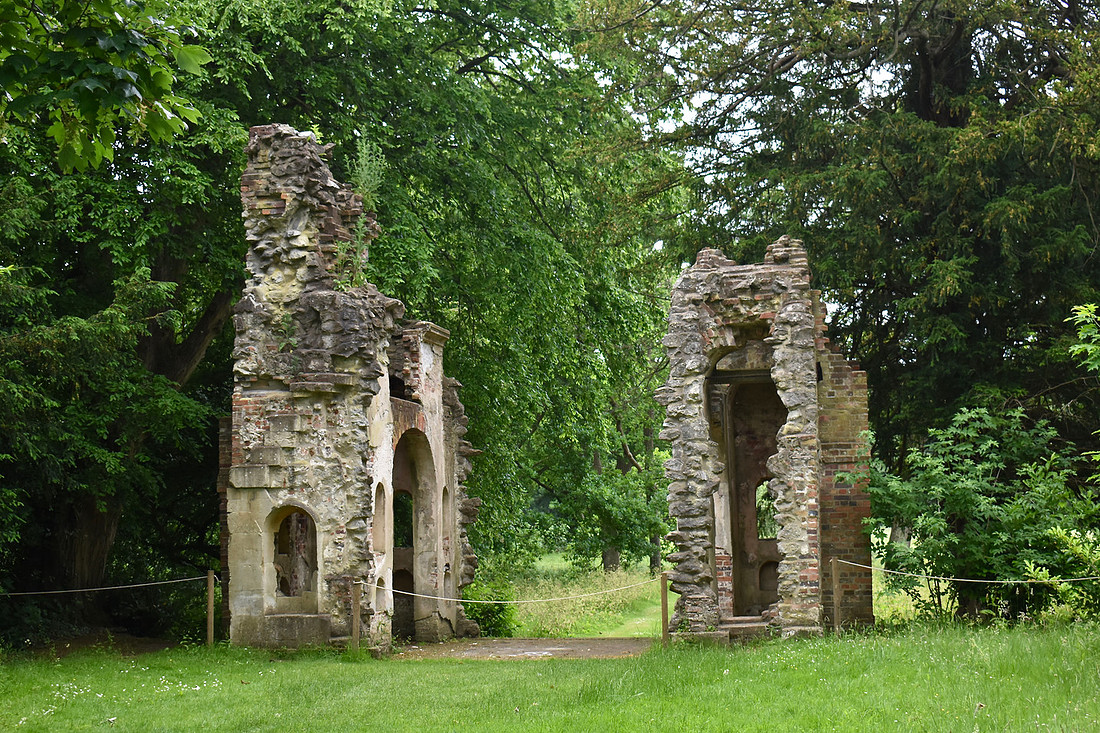
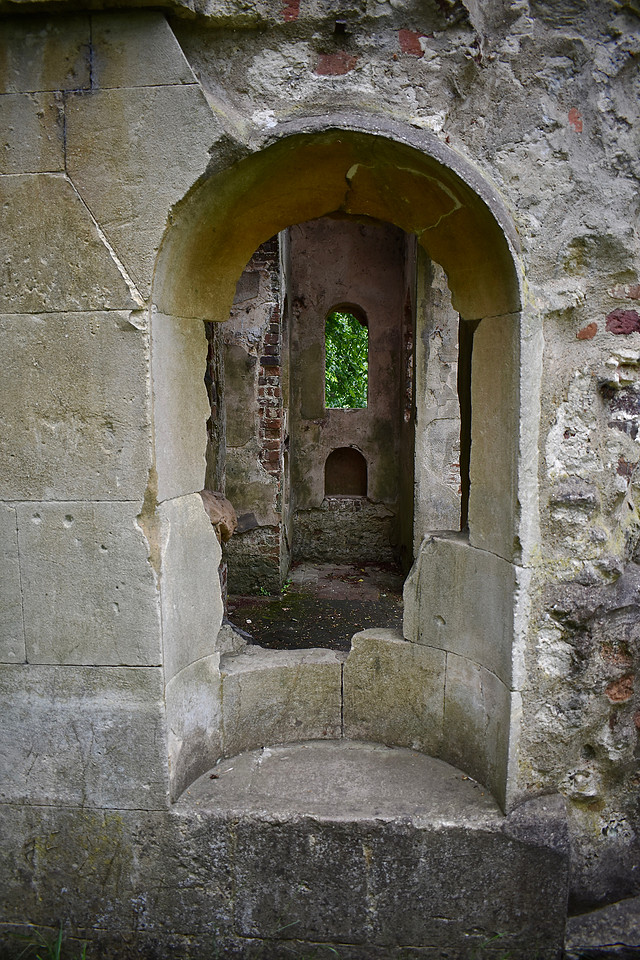
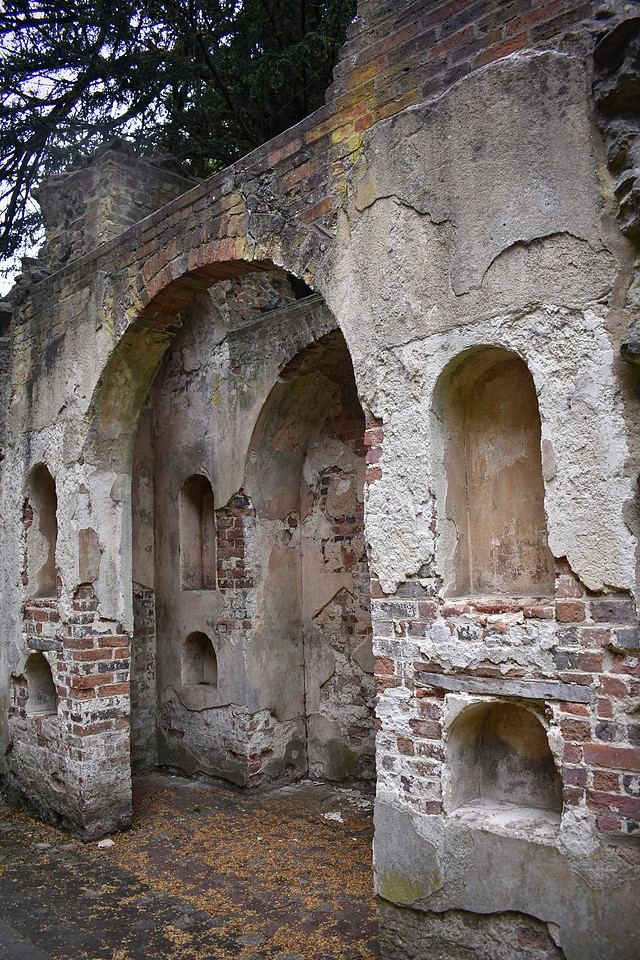
The paths and trails throughout the park are shaded and well groomed. However, once you pass the Mausoleum the paths become grass, which might be difficult for some to navigate. Painshill has something for everyone and makes a great family day out!
Exhilarating Cliff Views and Tranquil Countryside of the Jurassic Coast
I took my son to the Jurassic Coast for a quick escape from London while he was on school break. We made Bournemouth our home base and travelled to Poole, Swanage, Lulworth Cove and Durdle Door from there. After arriving in Bournemouth by train we spent the first day exploring the long sandy beach and tranquil blue waters. Bournemouth has a lively waterfront with a bustling pier, carnival rides, and an abundance of restaurants and pubs.
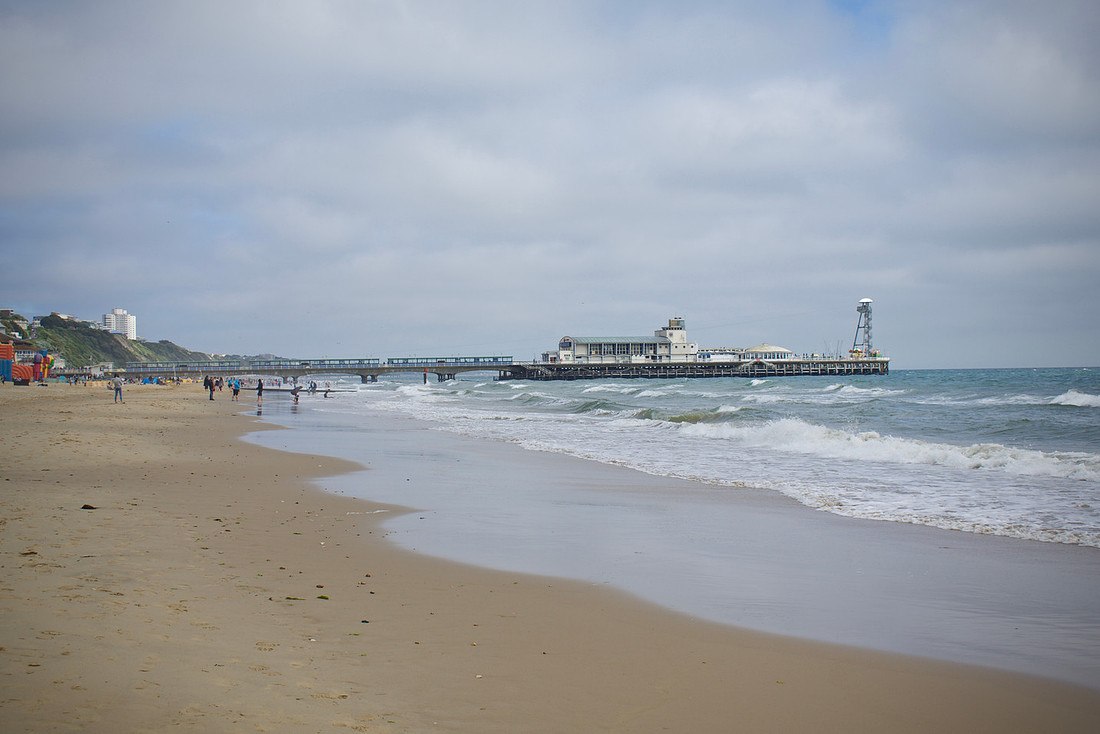
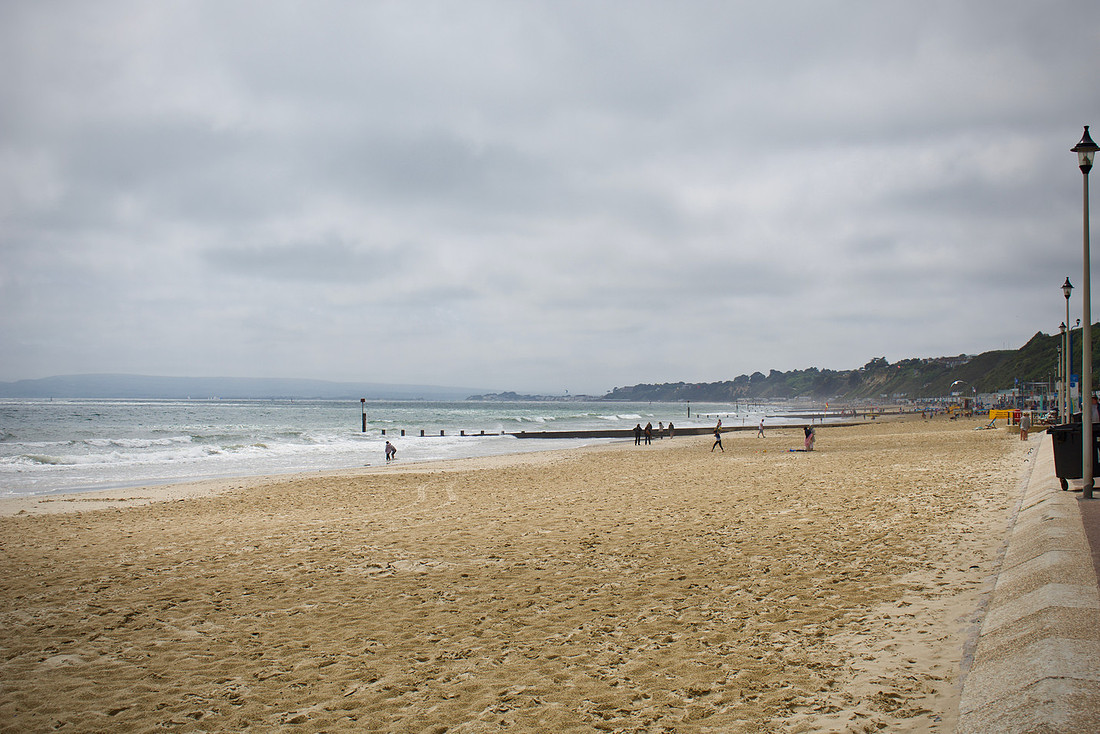
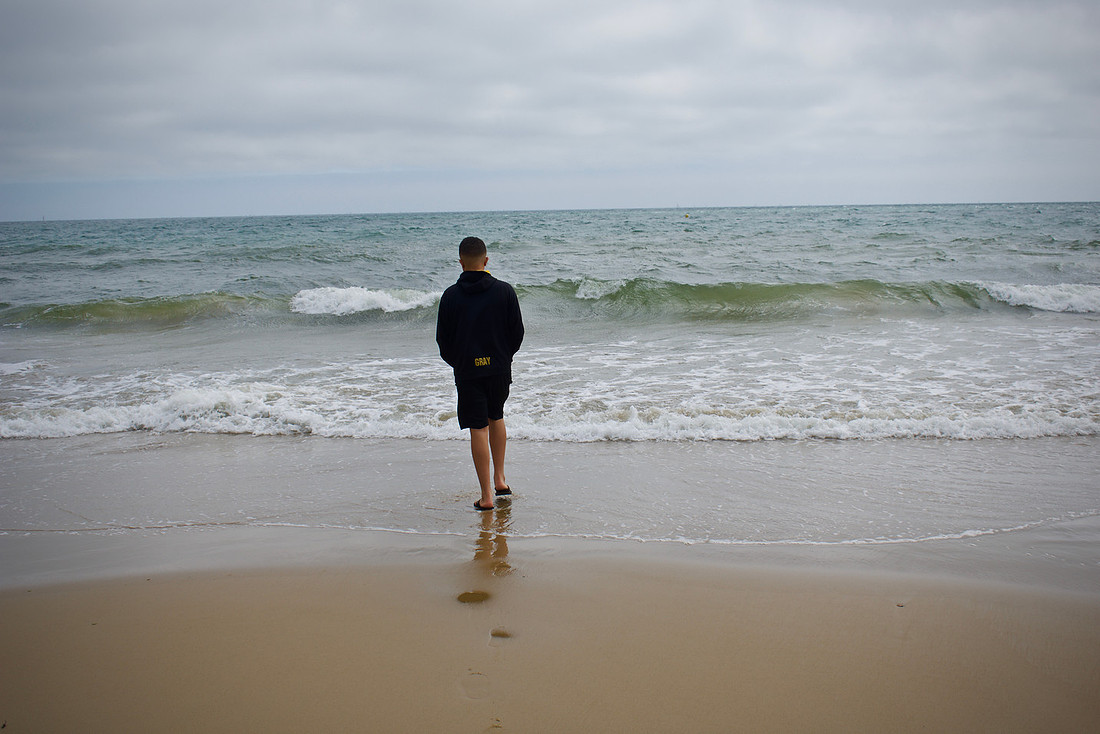
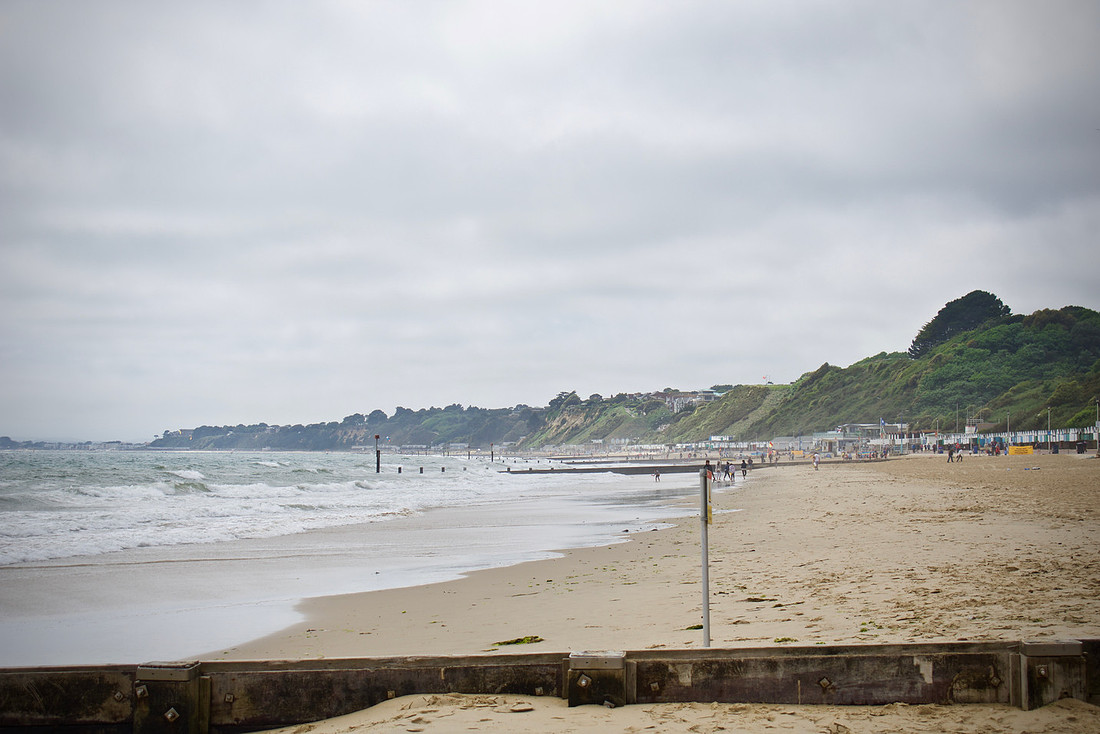
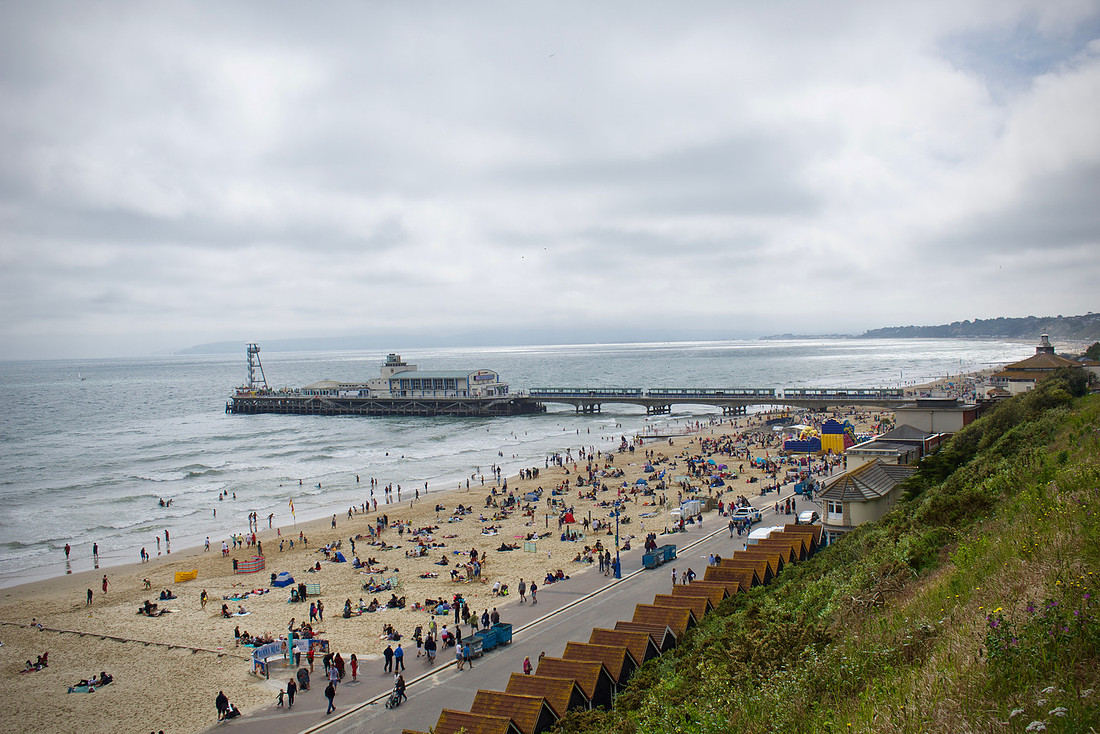
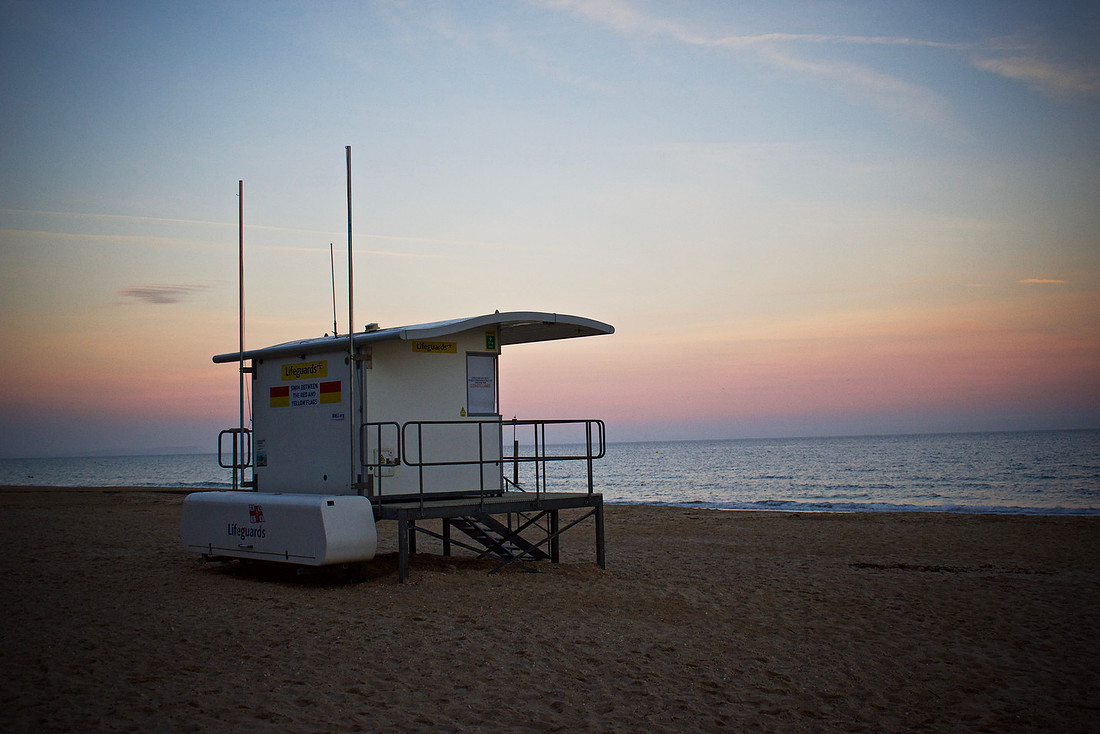
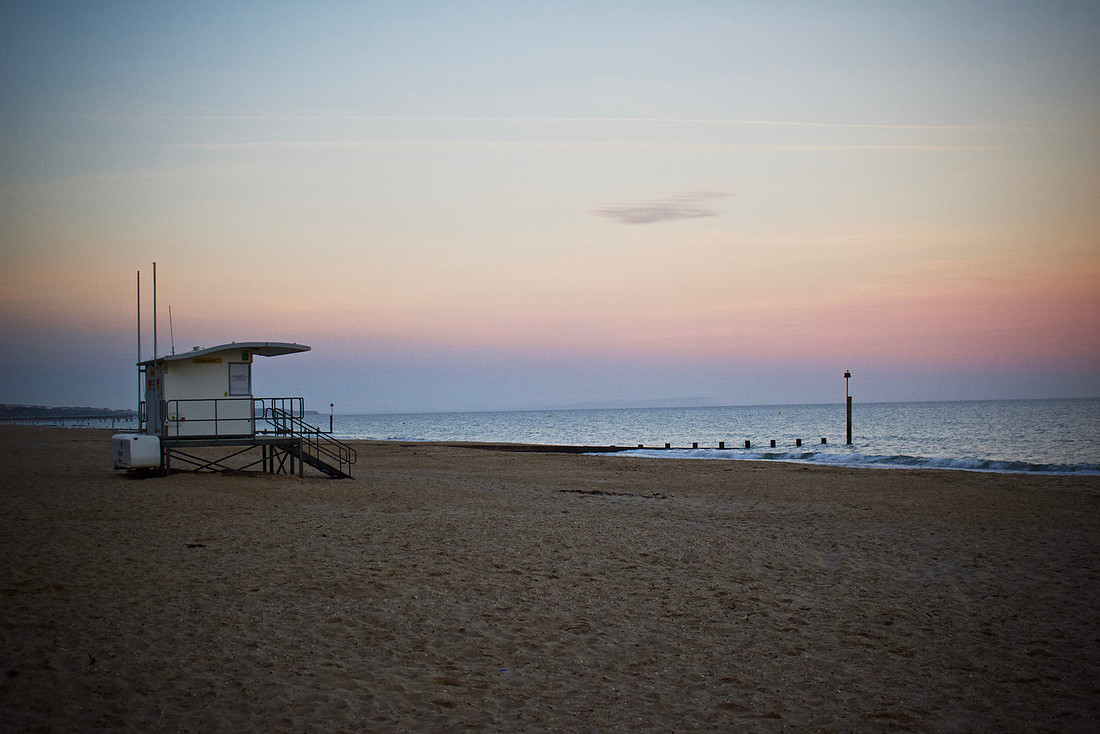
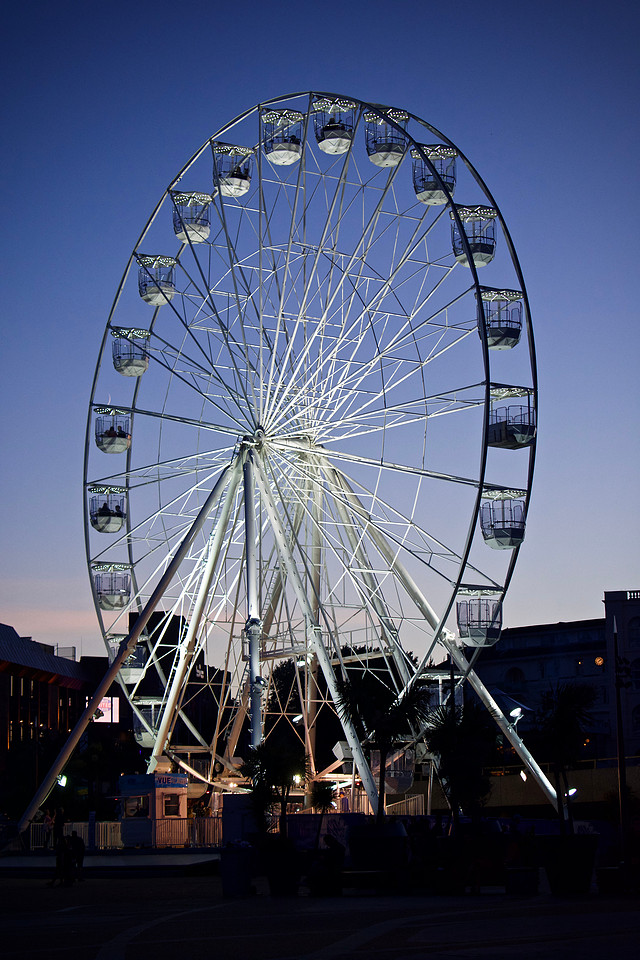
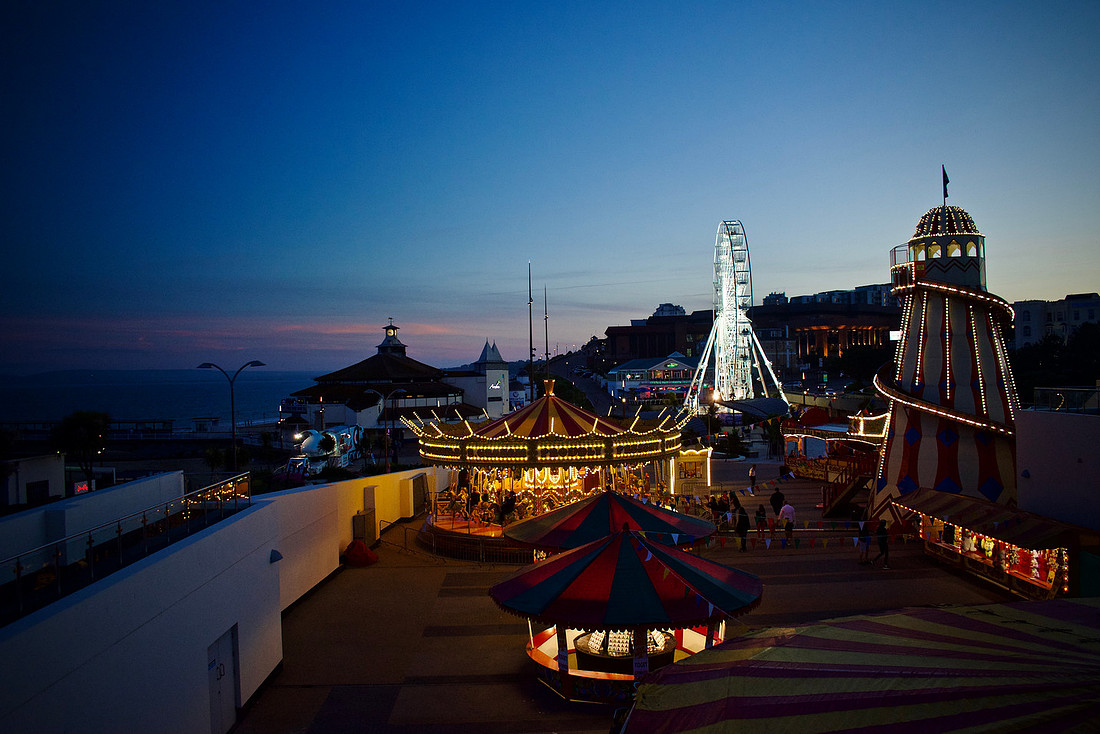
I discovered my love for beach huts while visiting Bournemouth!
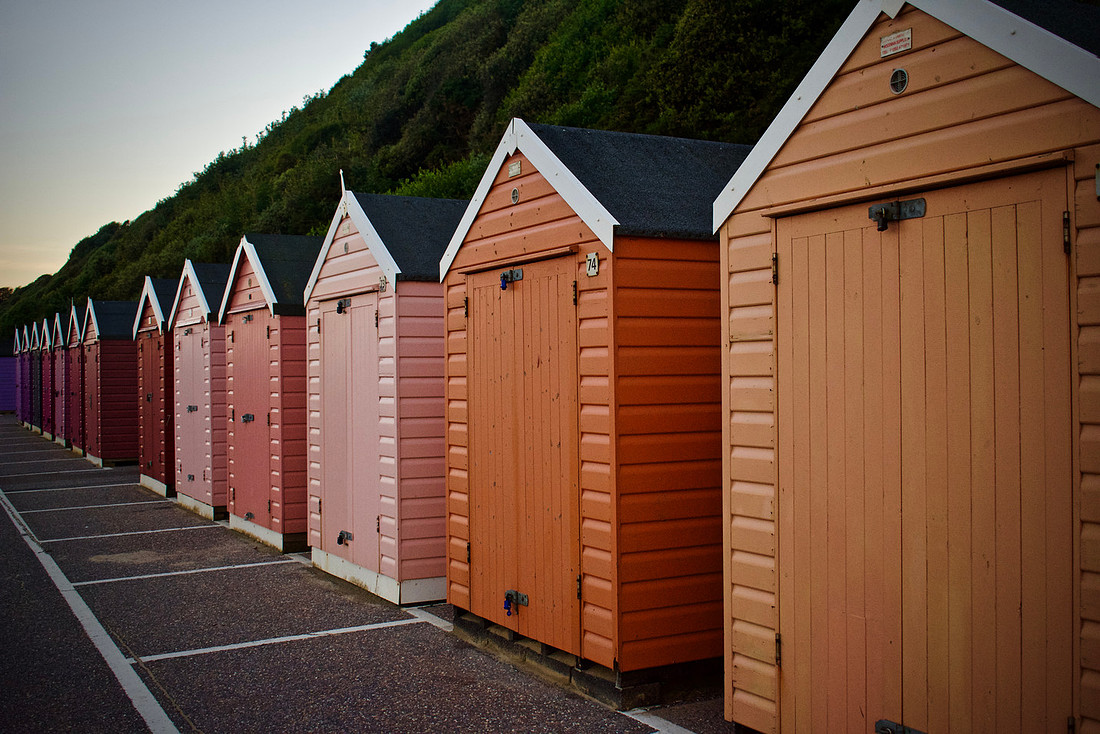
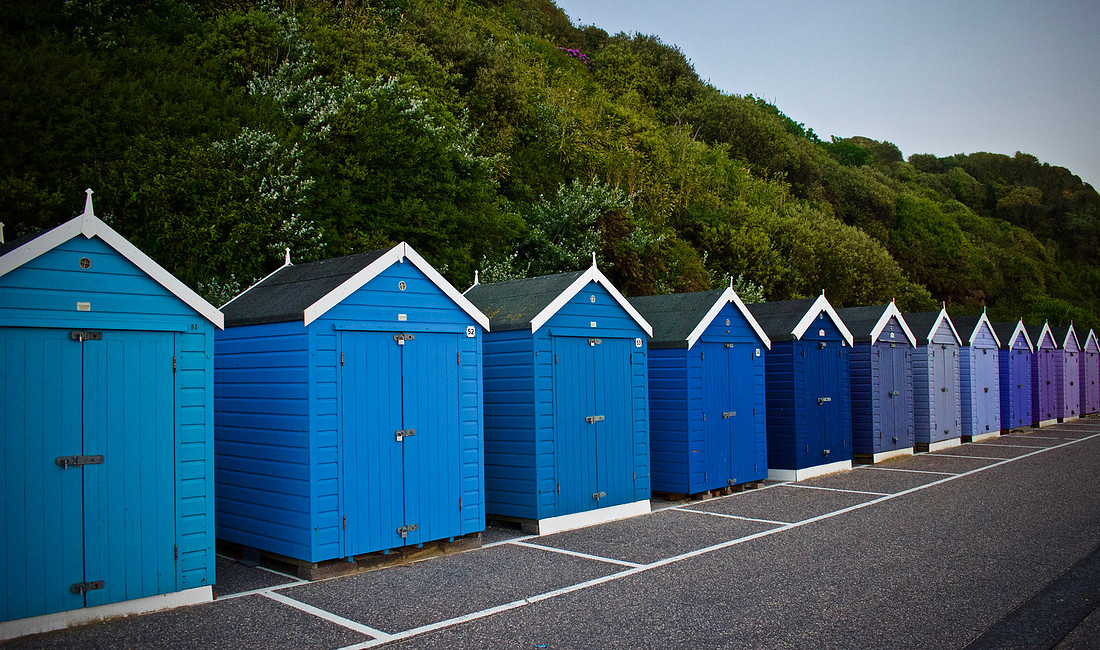
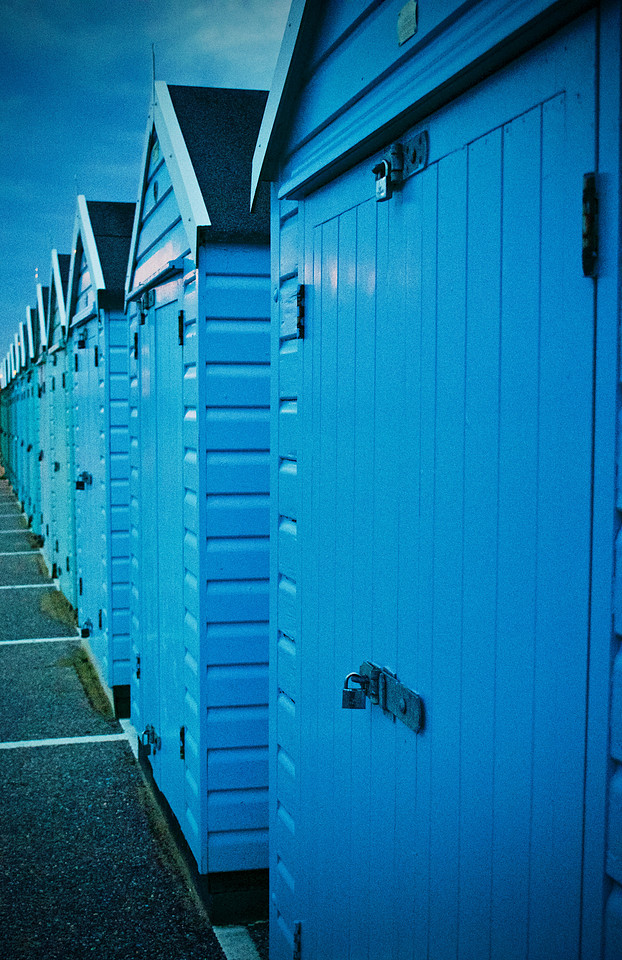
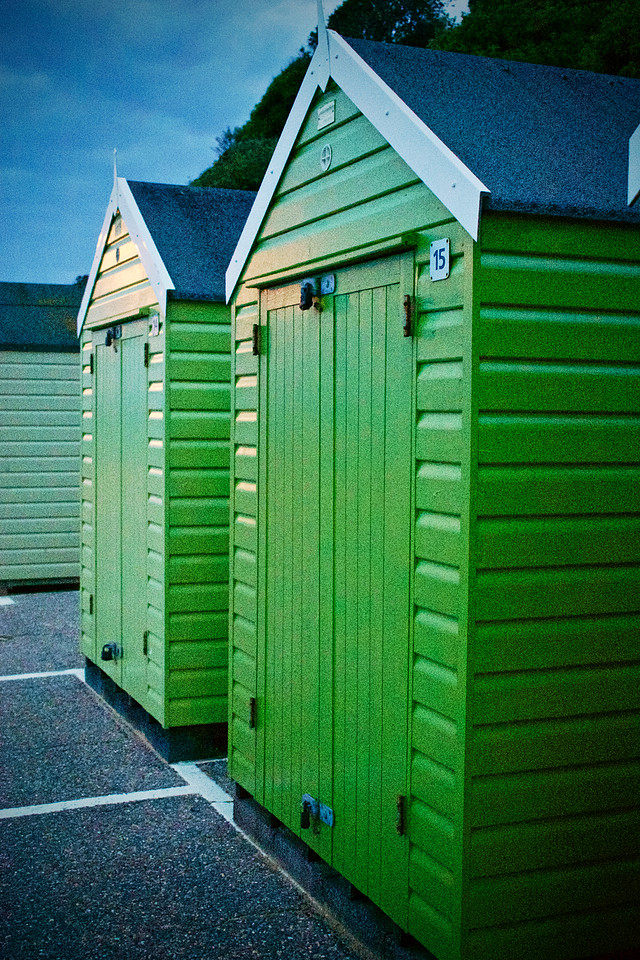
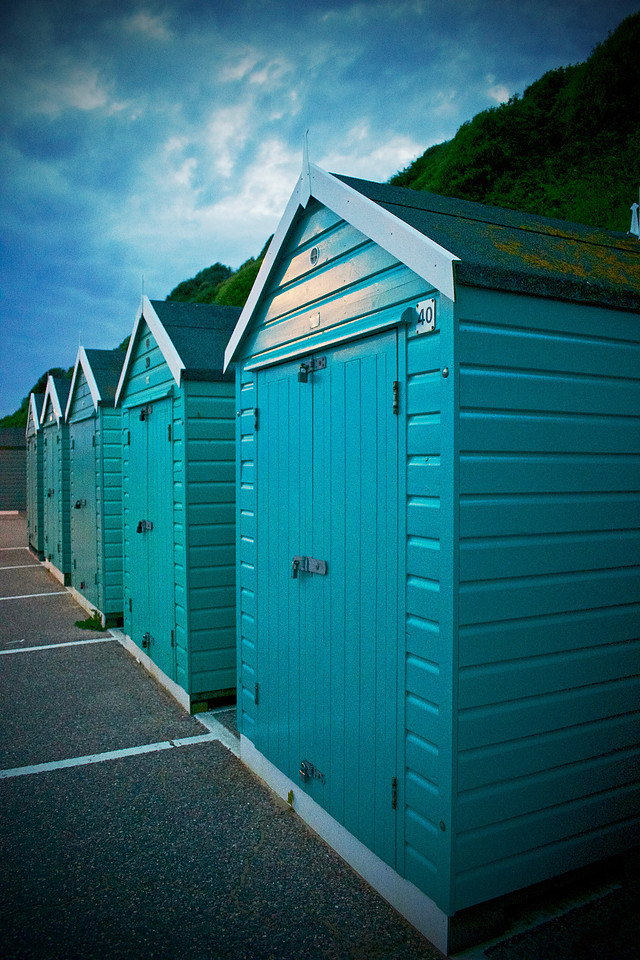
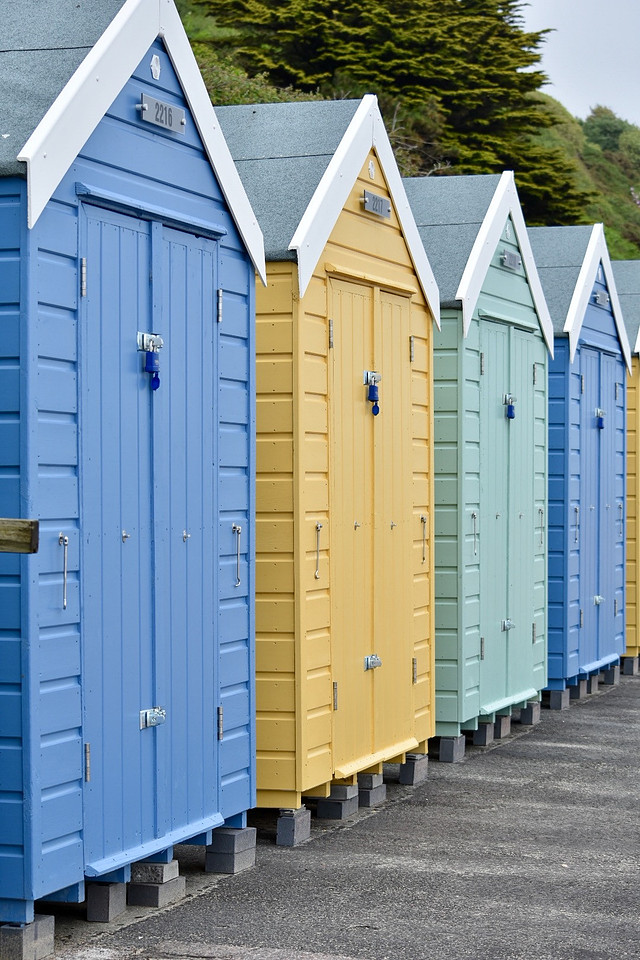
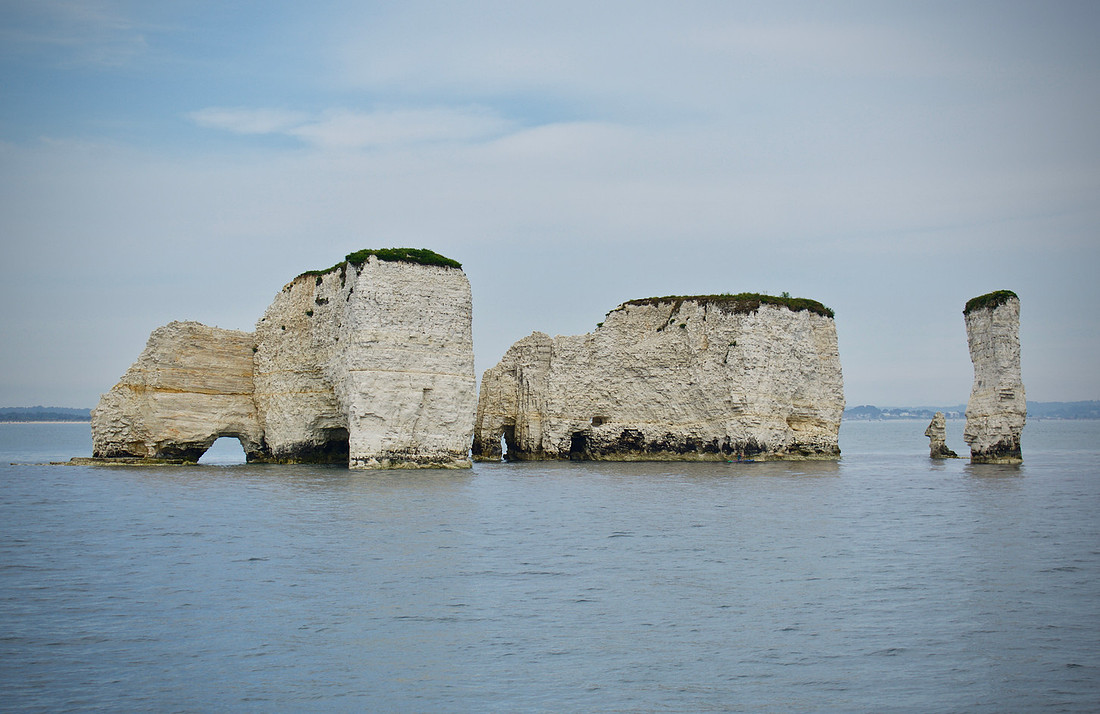
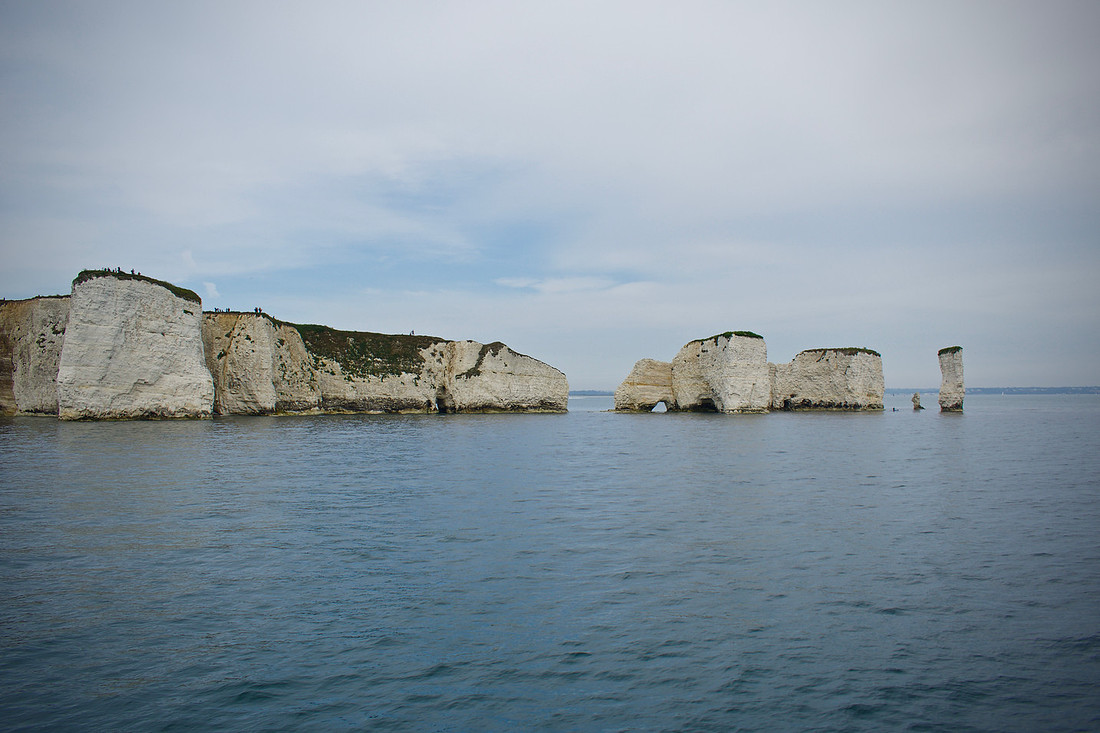
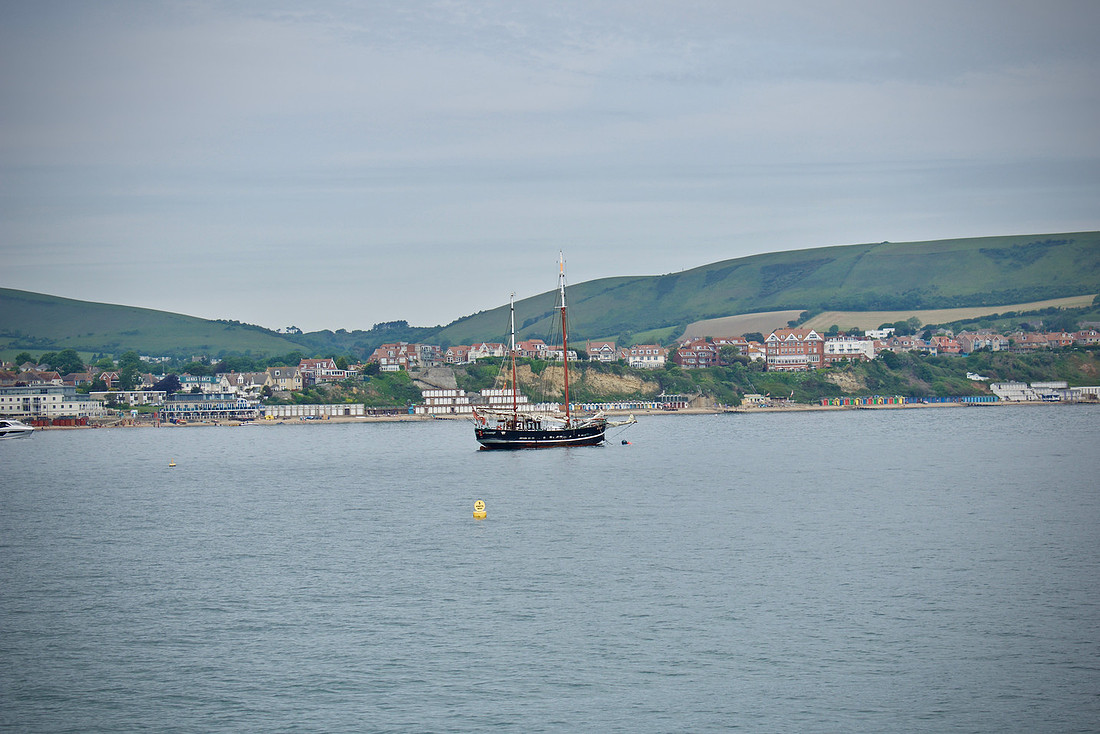
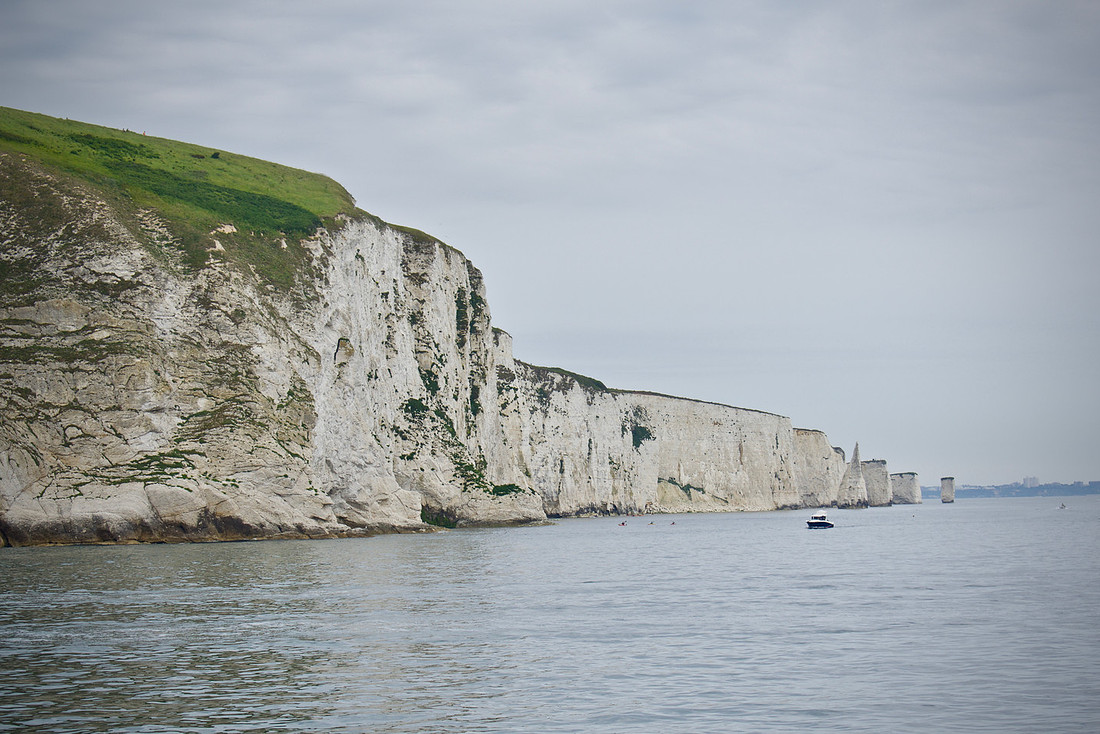
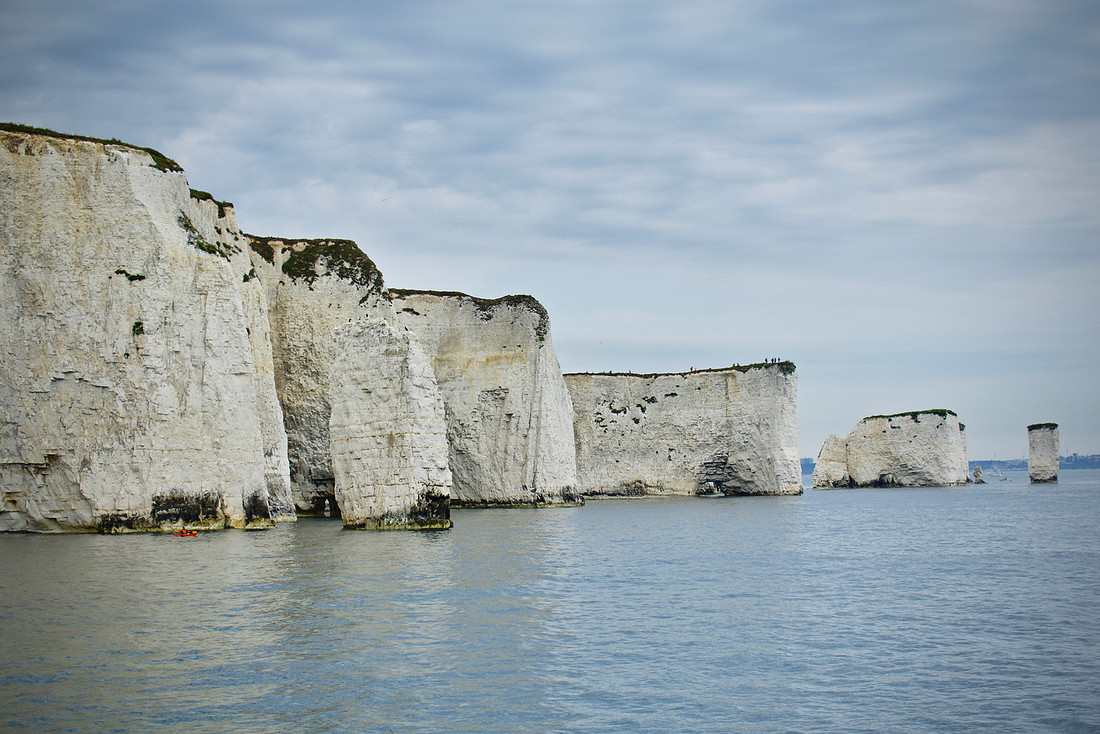
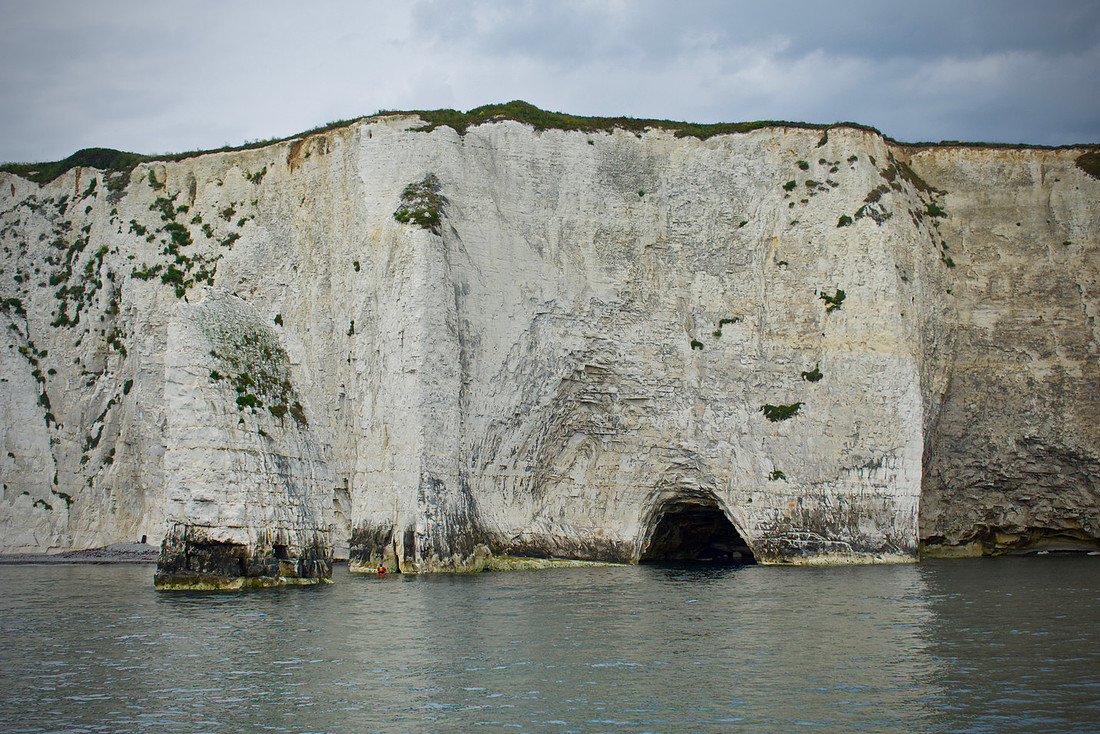
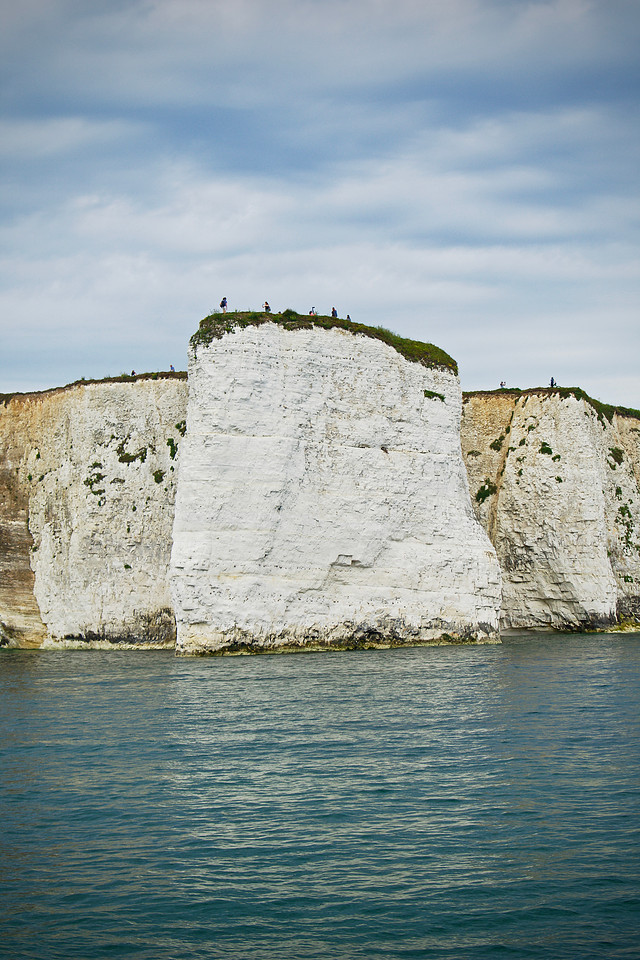
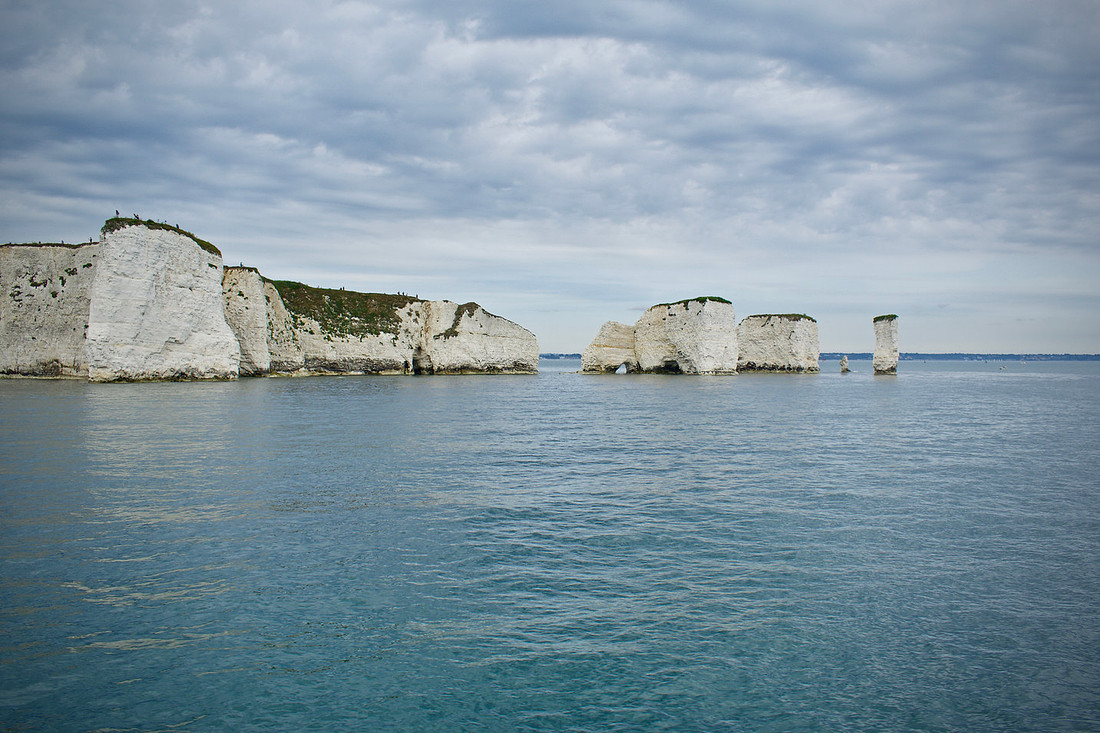
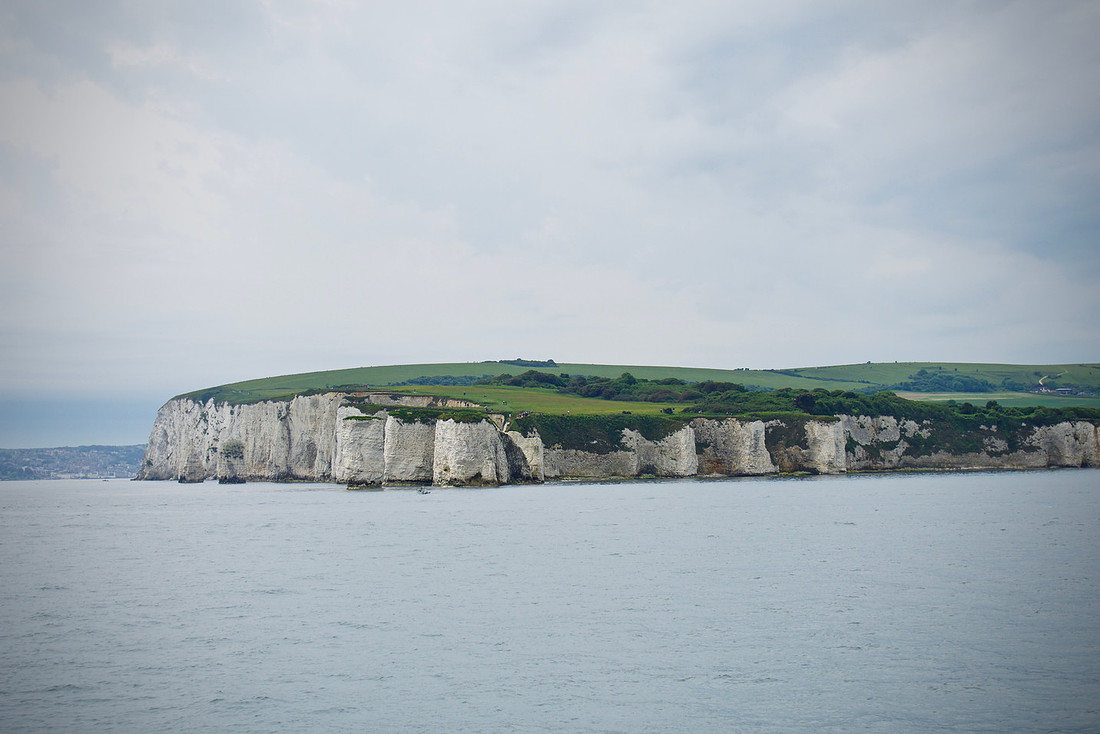
The next day we took a city bus to Poole and hopped on a boat cruise to visit Swanage, Old Harry Rocks and the coast. The coastline is truly incredible with tall white cliffs, hidden caves and blue water. There are several ways to see and explore the cliffs - by boat cruise, kayak, paddle board, and cliff-top hiking.
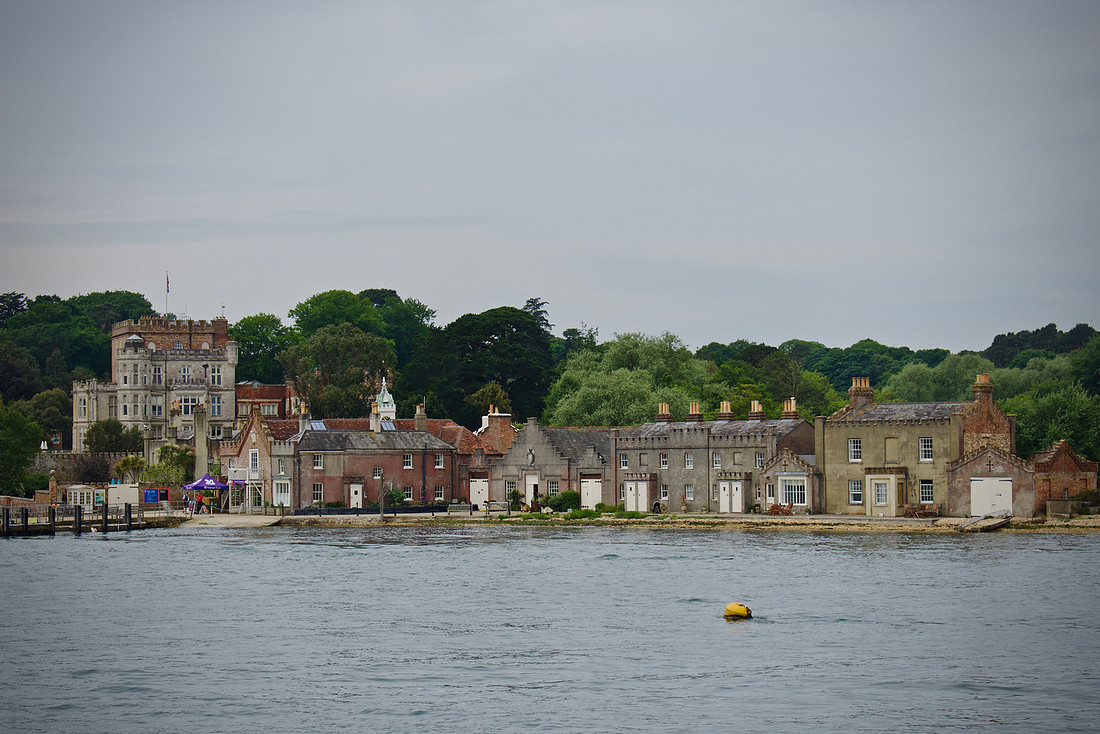
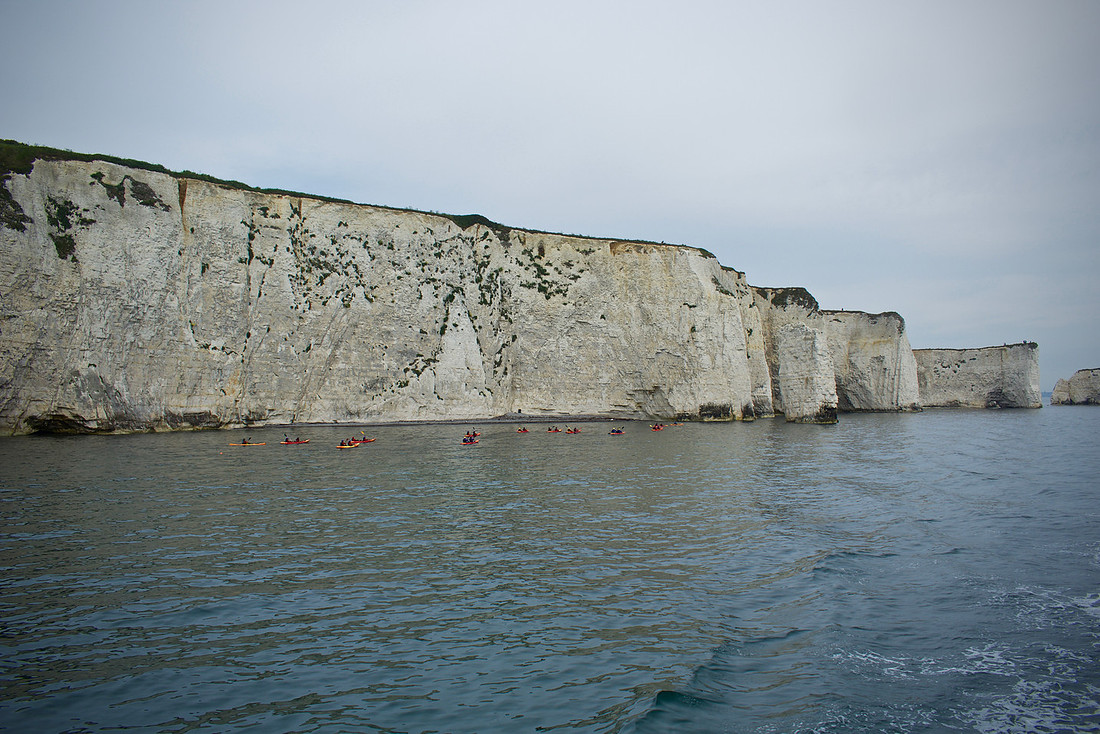
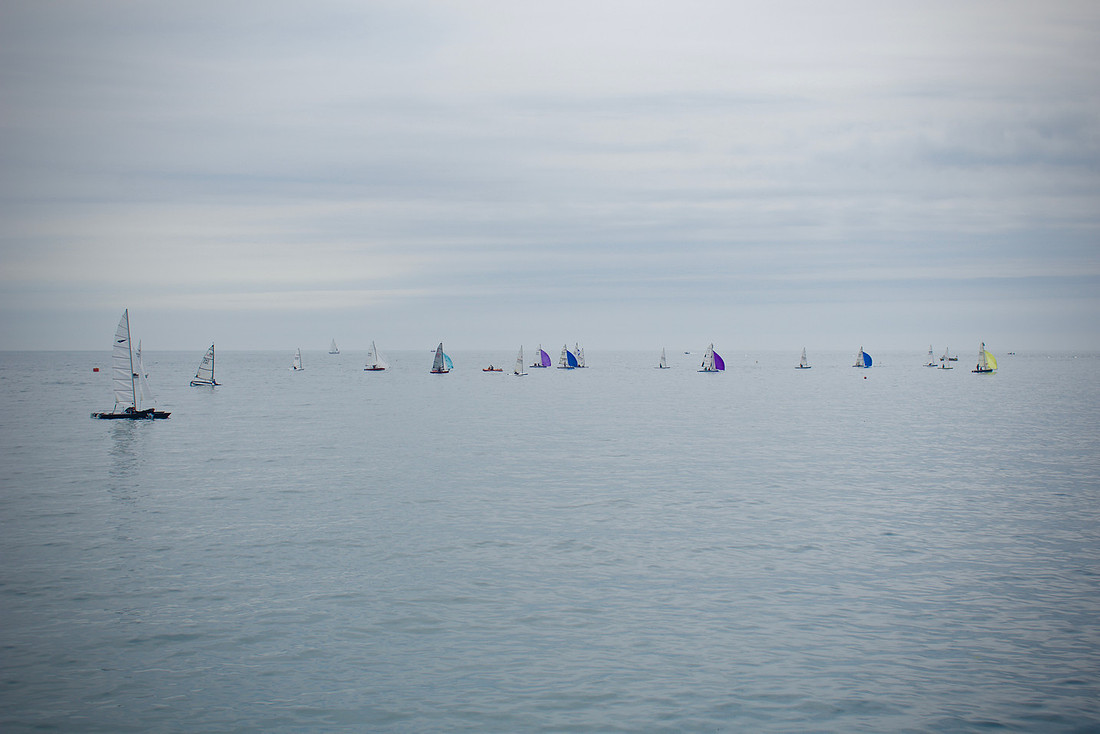
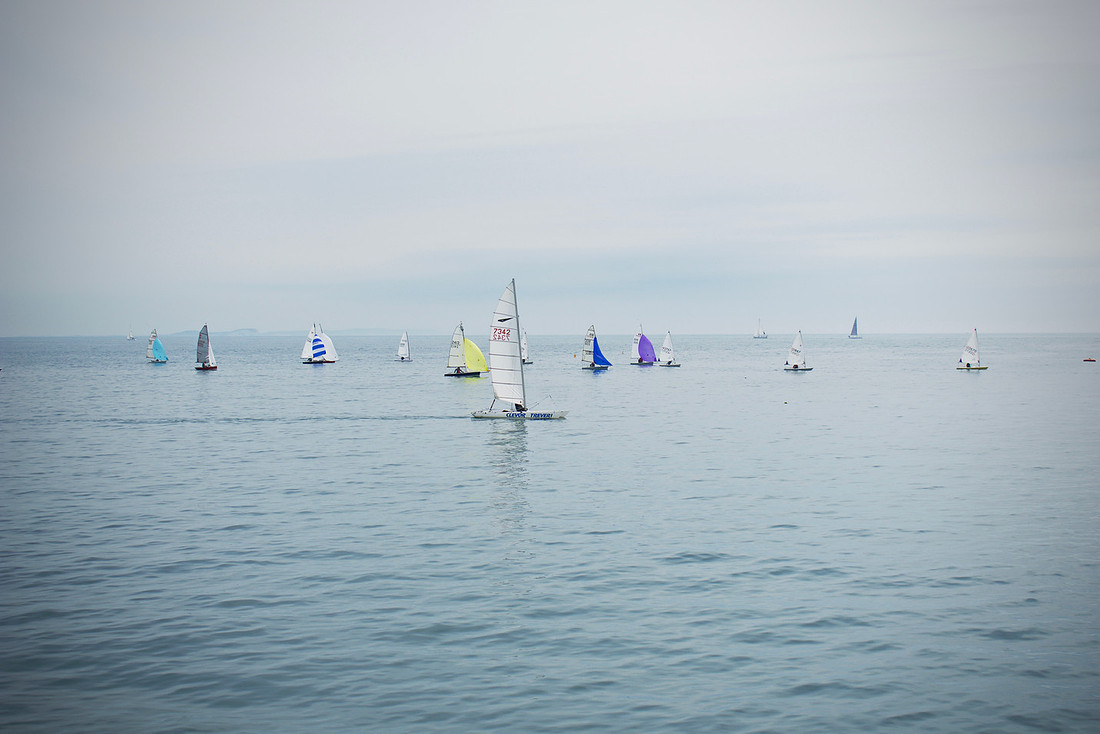
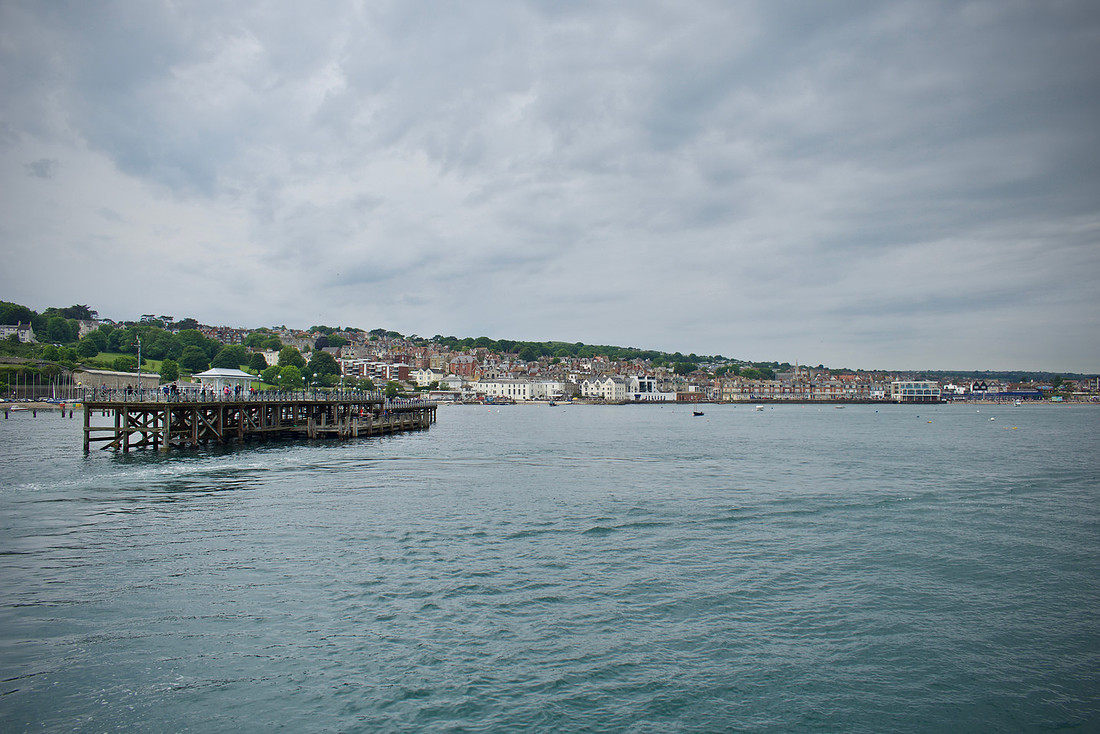
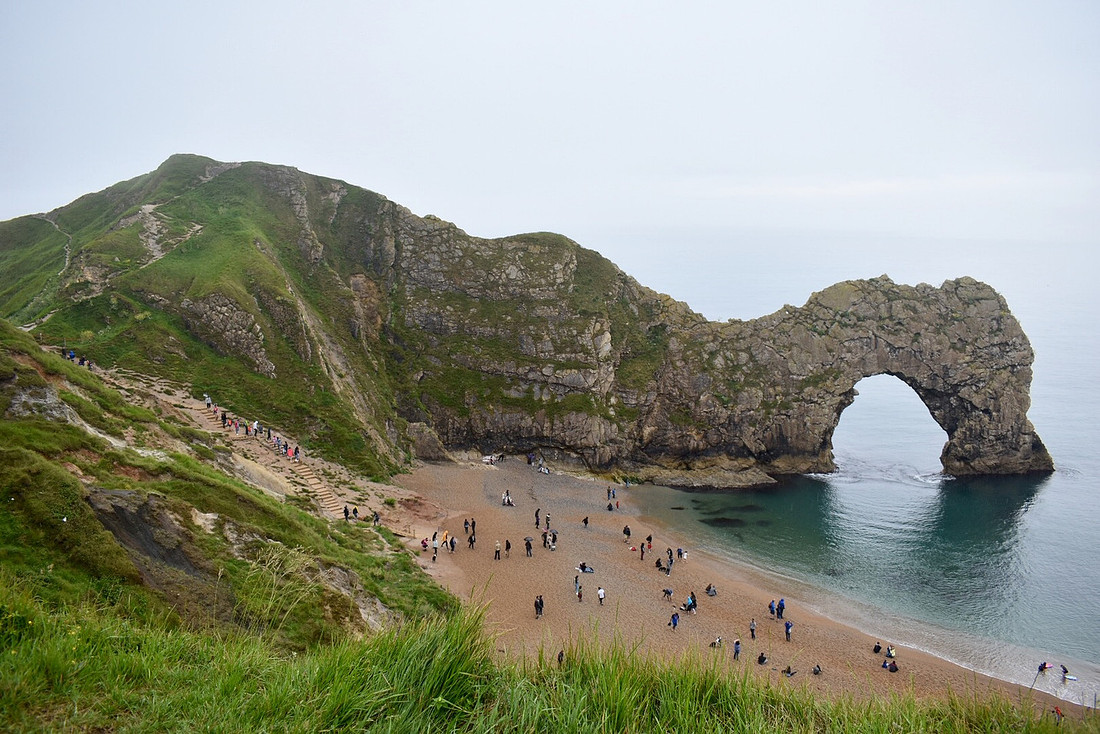
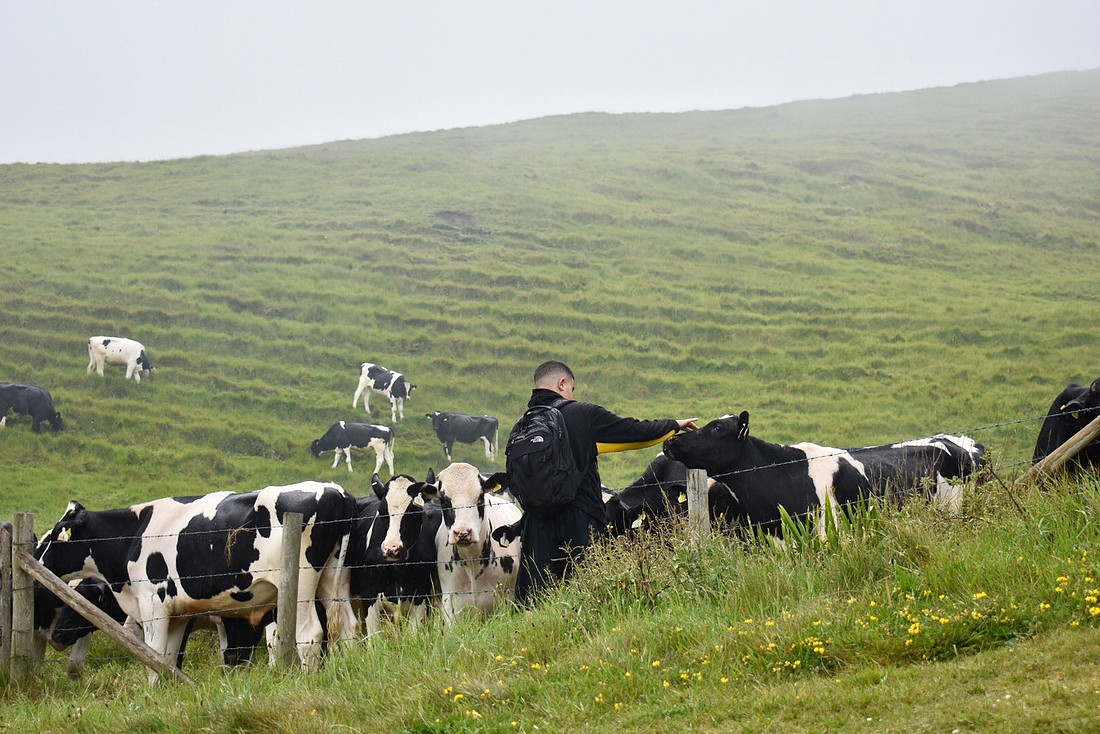
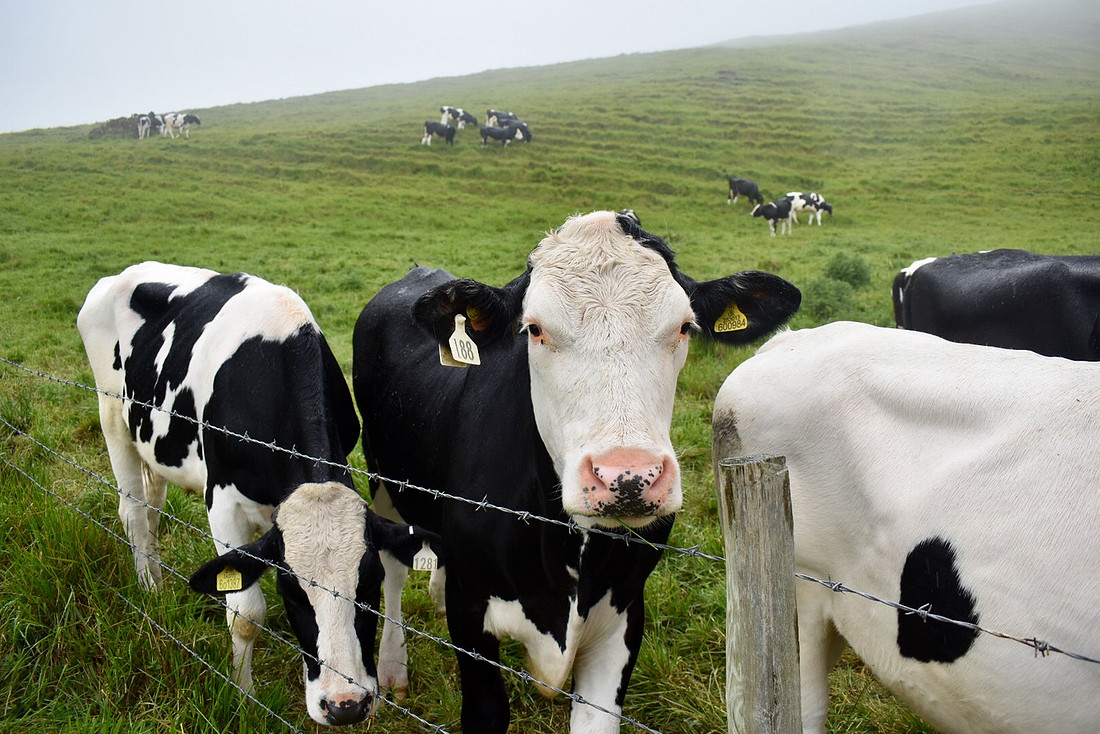
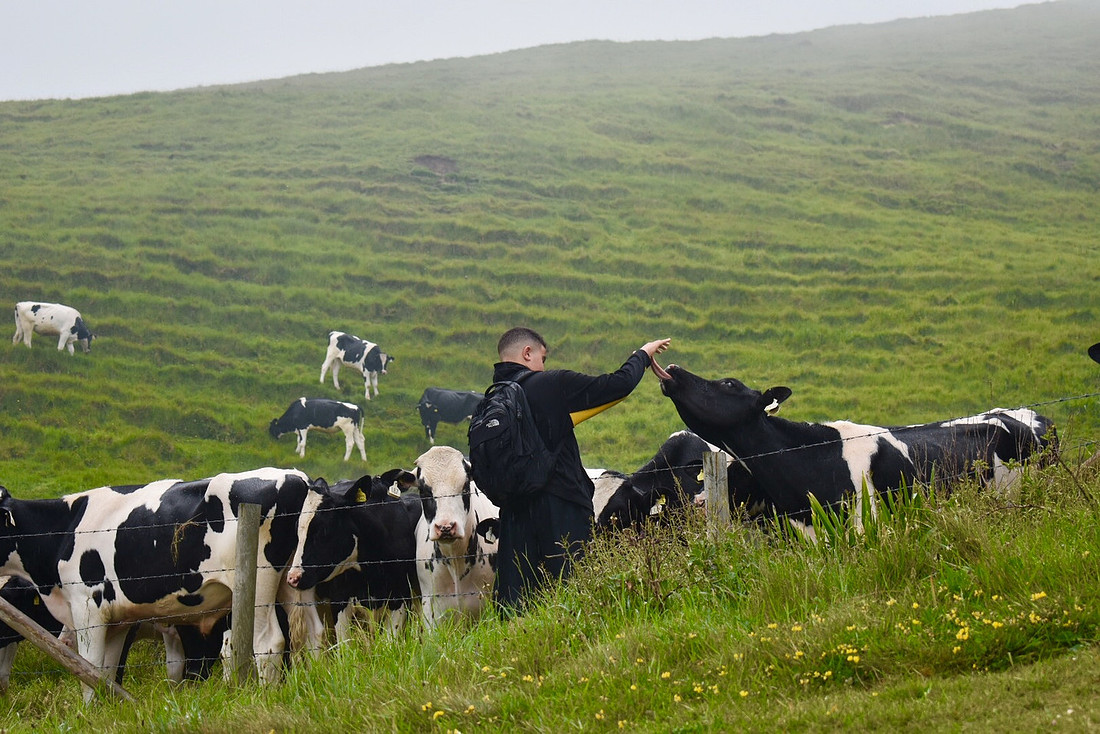
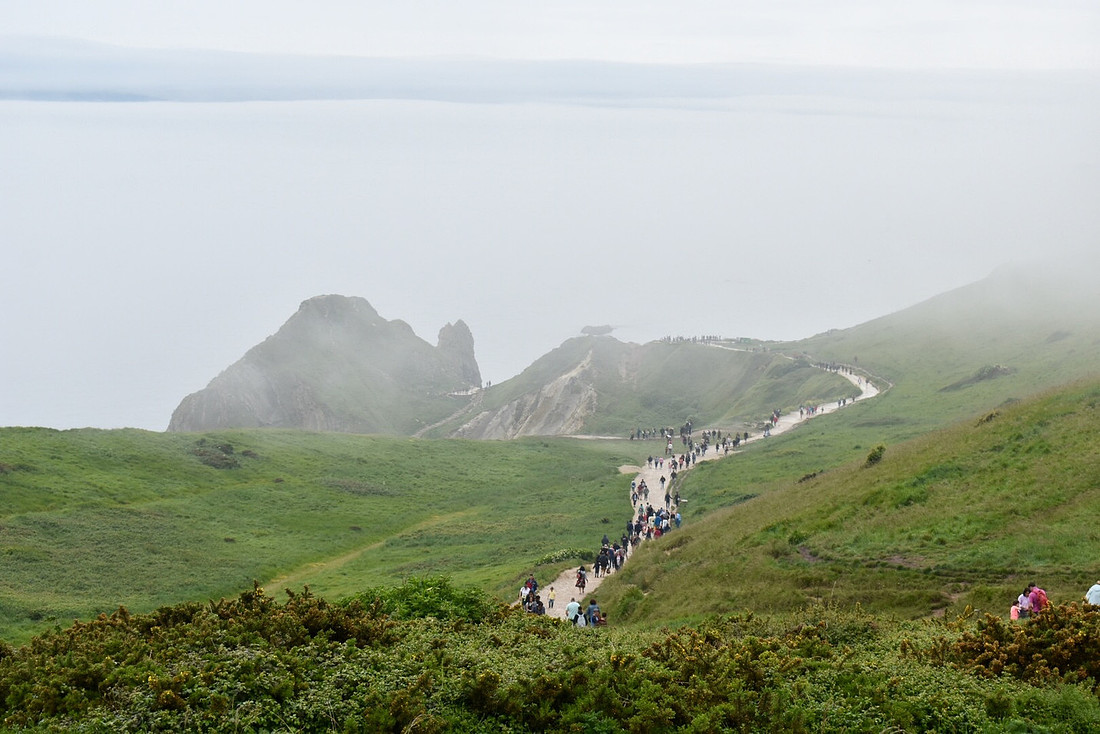
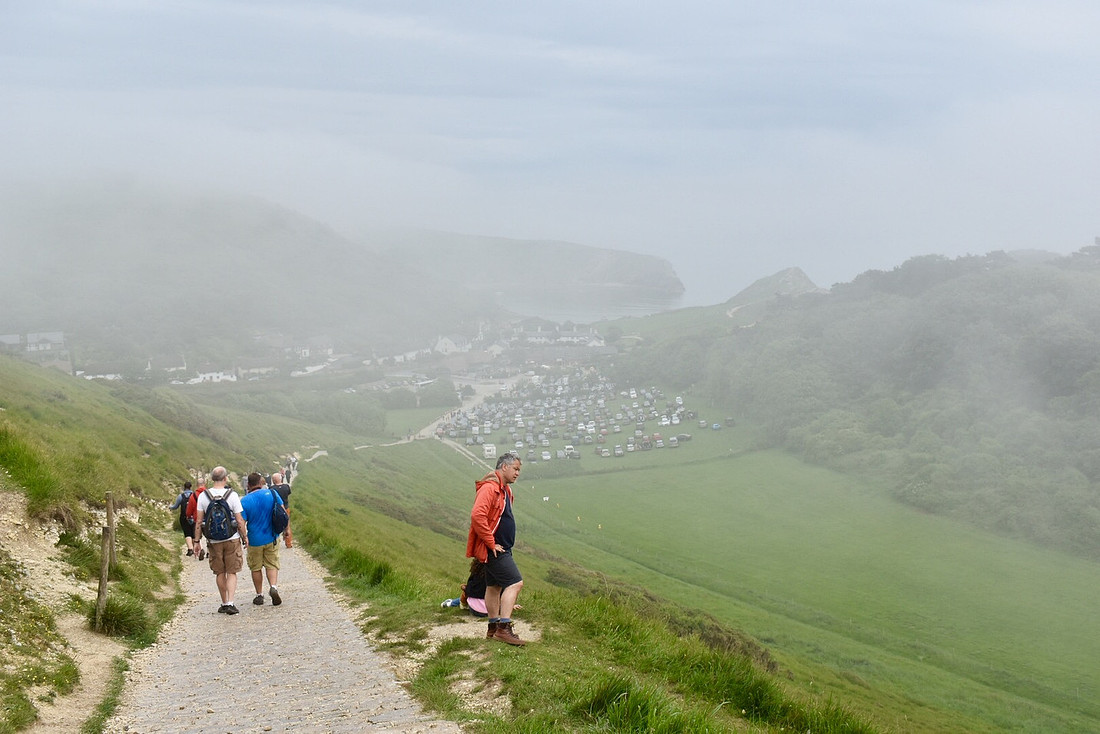
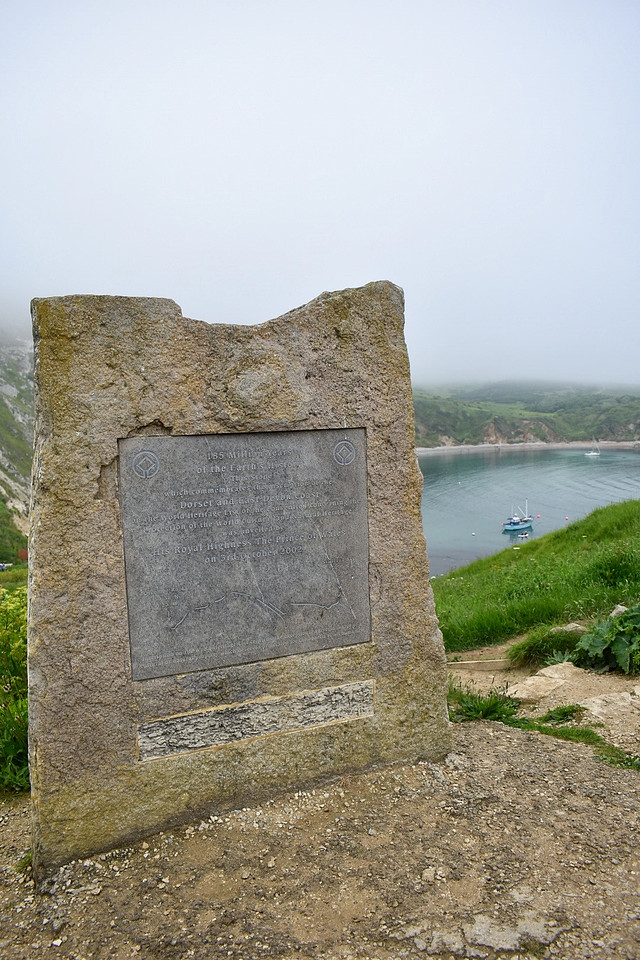
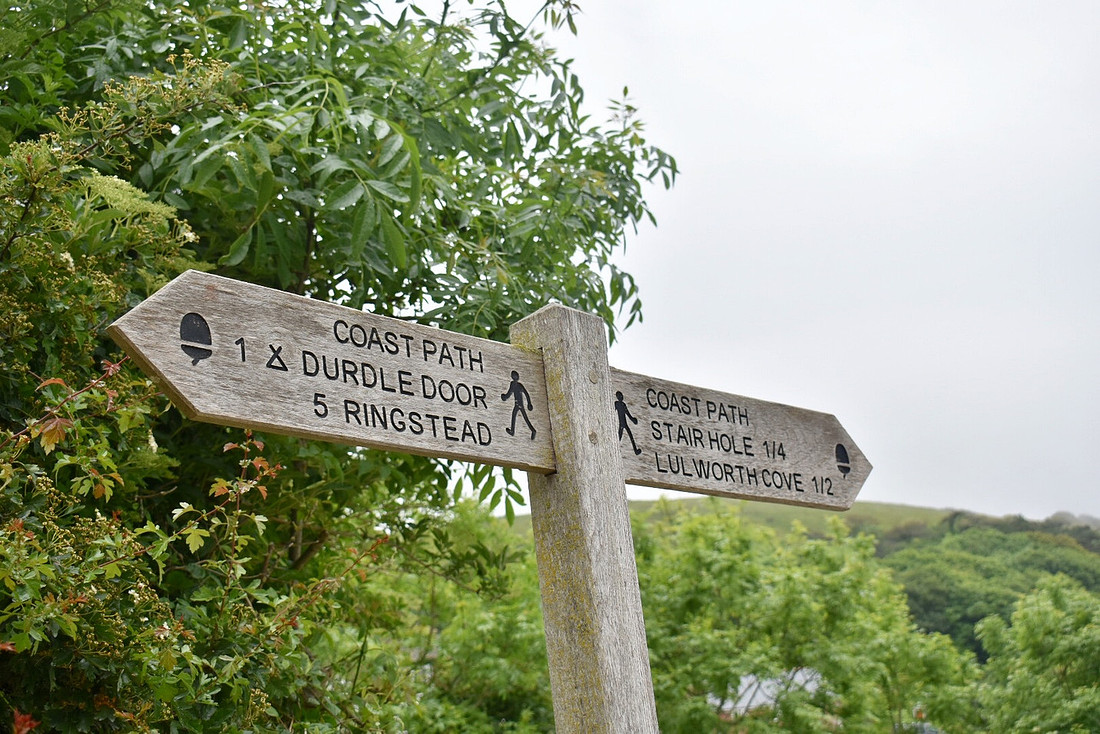
The following day we set off to explore the Dorset Coast. Getting to the coast requires some planning as it is not easily accessible by local transit. We took a bus ‘tour’ that dropped us off at Durdle Door and picked us up at Lulworth Cove, which was perfect. The path to Durdle Door starts at a caravan park and winds down a steep hill. You need to wear proper footwear and be certain that you are in good shape before trekking down the hill! It is steep, the path is not well groomed and there is no other way to get up or down the hill. The magnificent Durdle Door natural limestone arch is a world famous geological wonder, with its massive rock arch, set right on the Jurassic Coast between Swanage and Weymouth. As you descend the hill the view is truly breath-taking! Not only is the coast incredible but the lush countryside that meets the coast consists of rolling hills and is home to a very friendly herd of cows. Something that amazes me about England is the unadultered natural beauty of the coast, which is not obstructed by railings and safety features. Albeit I am very aware of the dangers associated with walking near the cliffs edge (and am glad my children are older!).
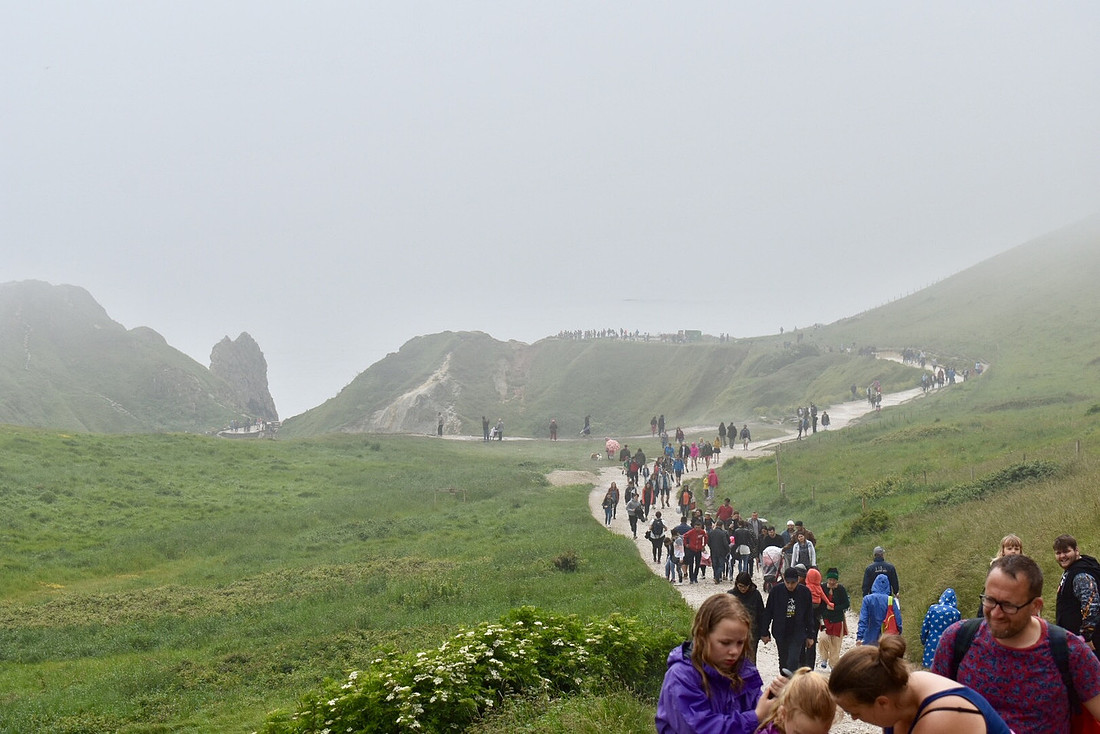
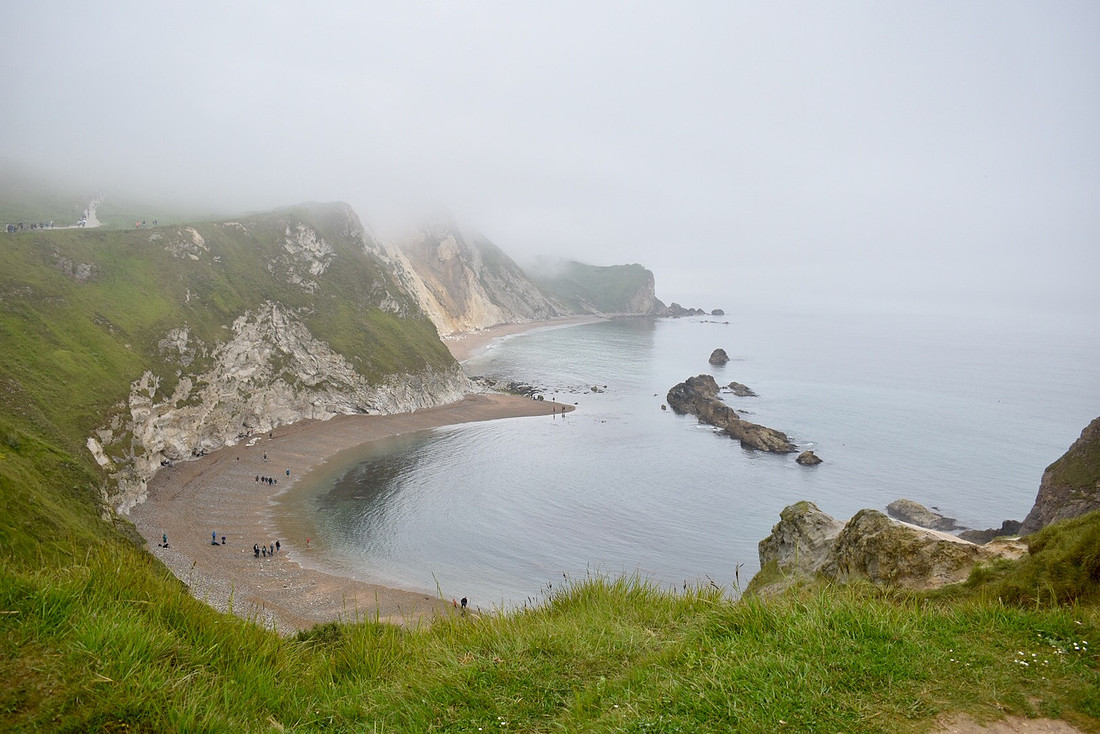
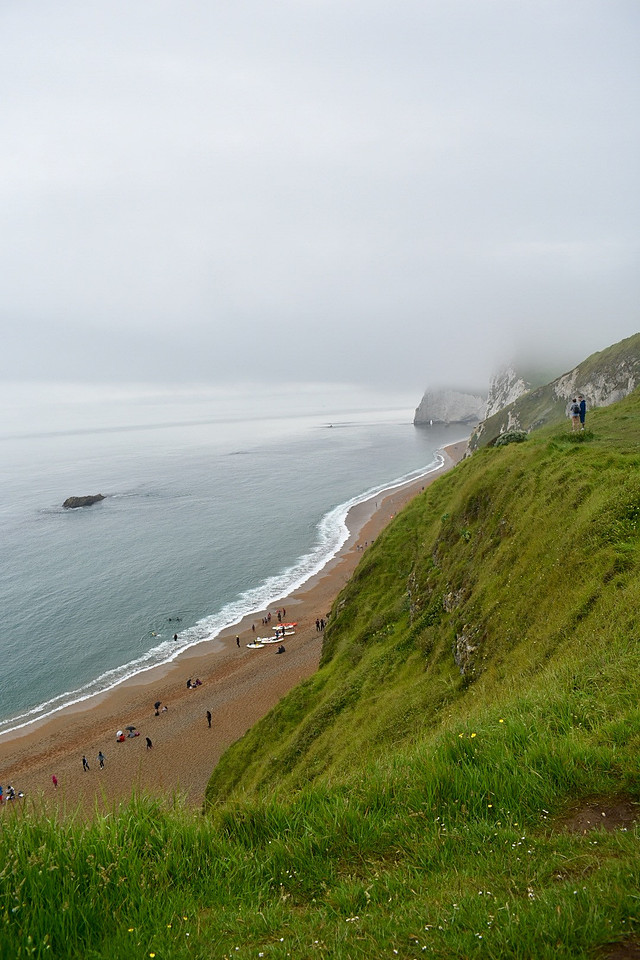
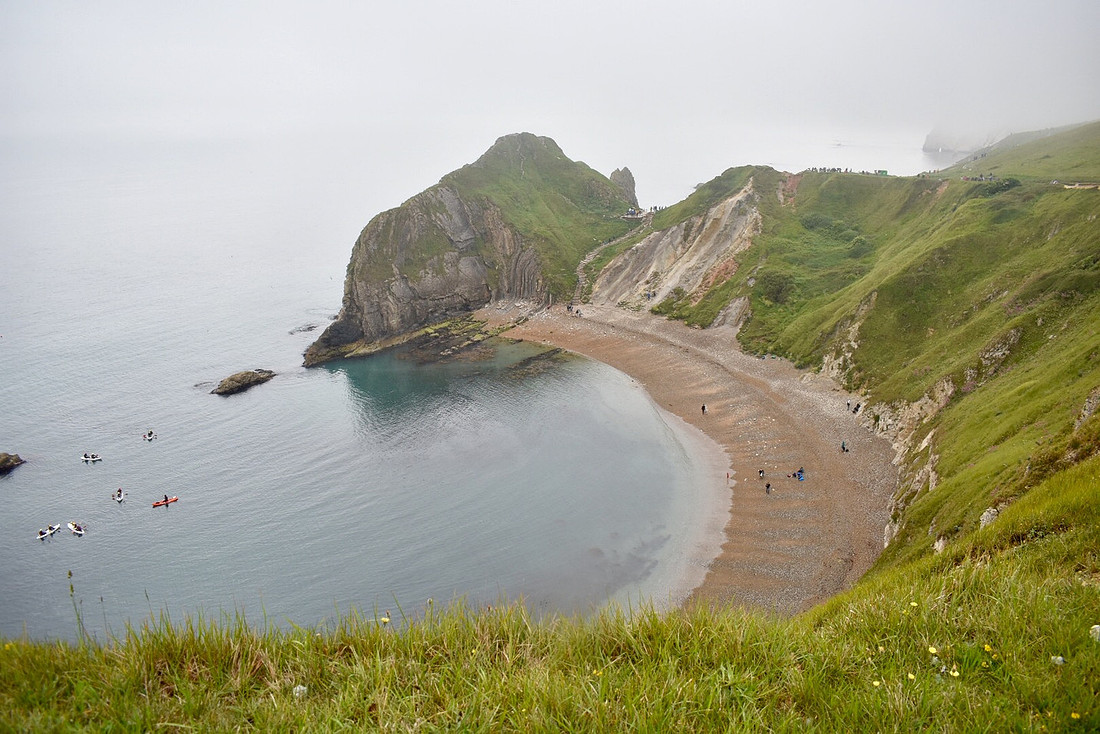
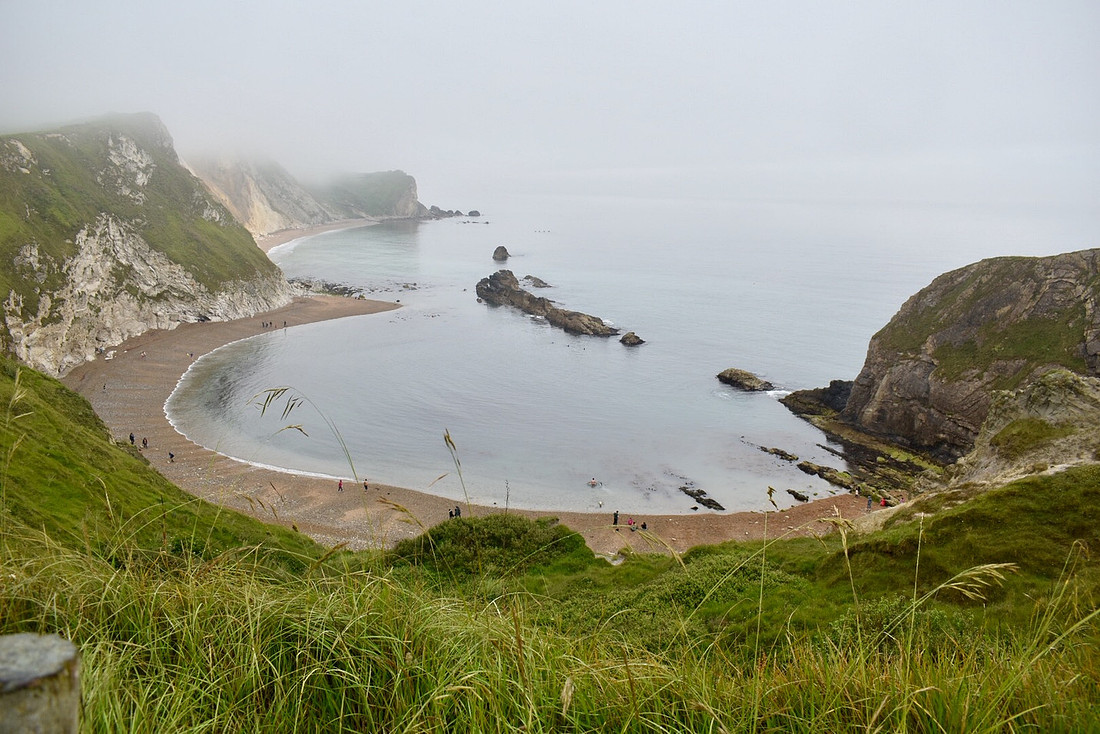
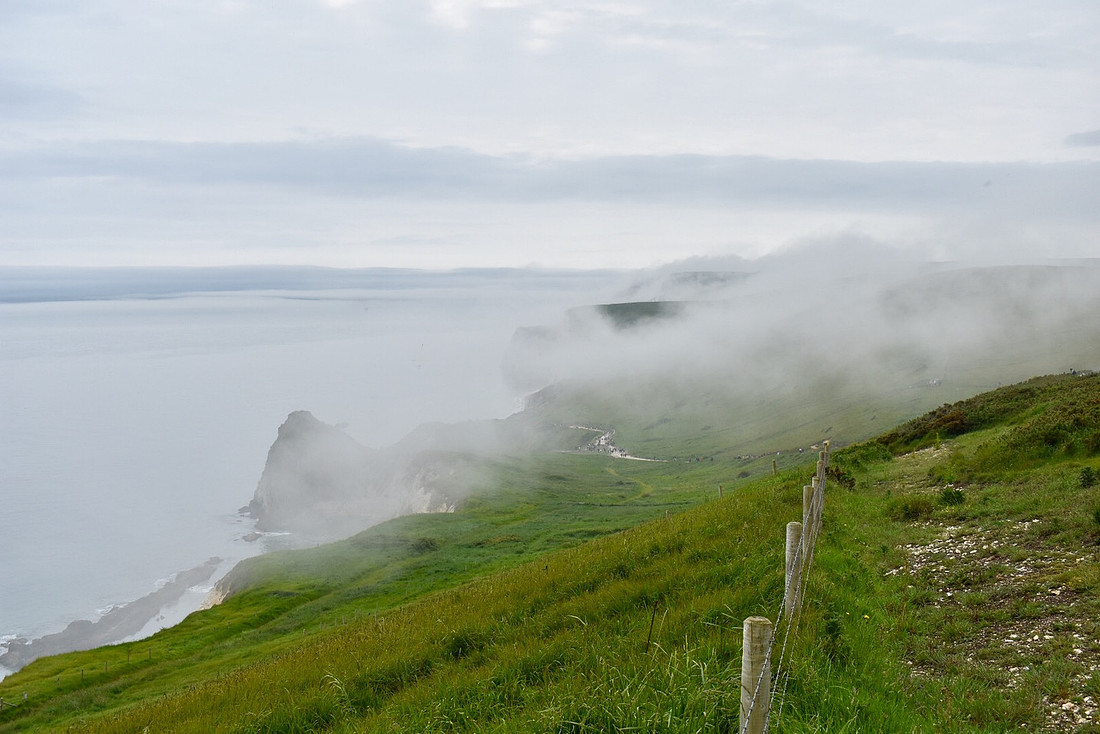
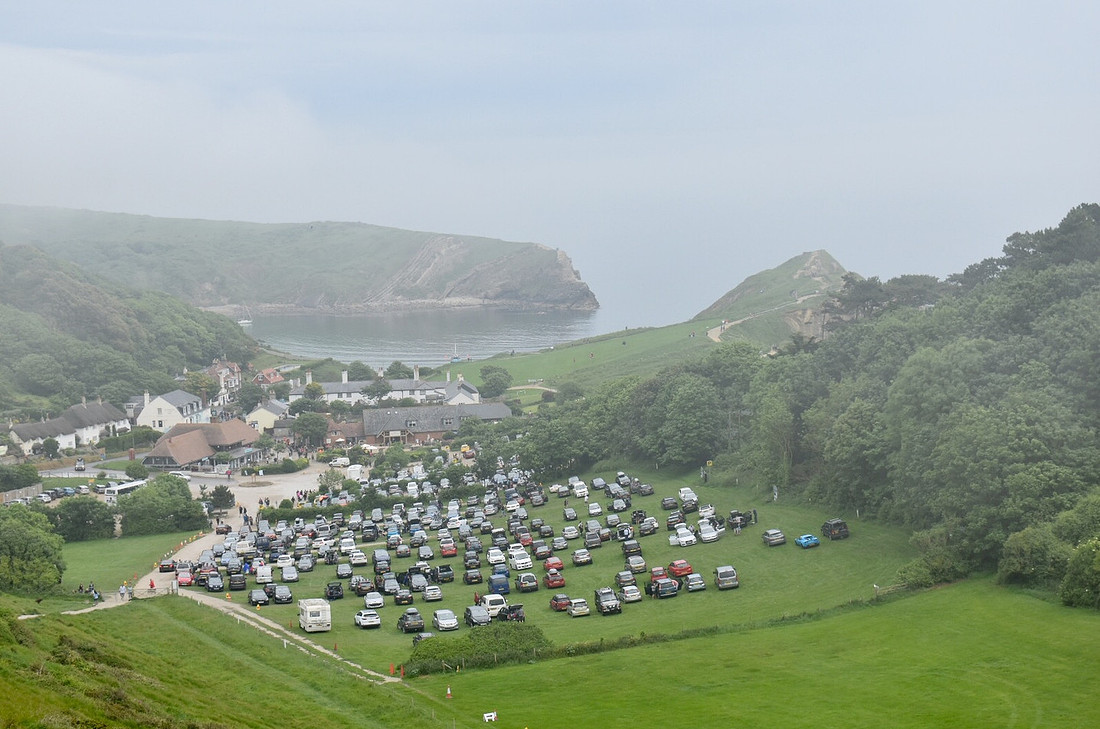
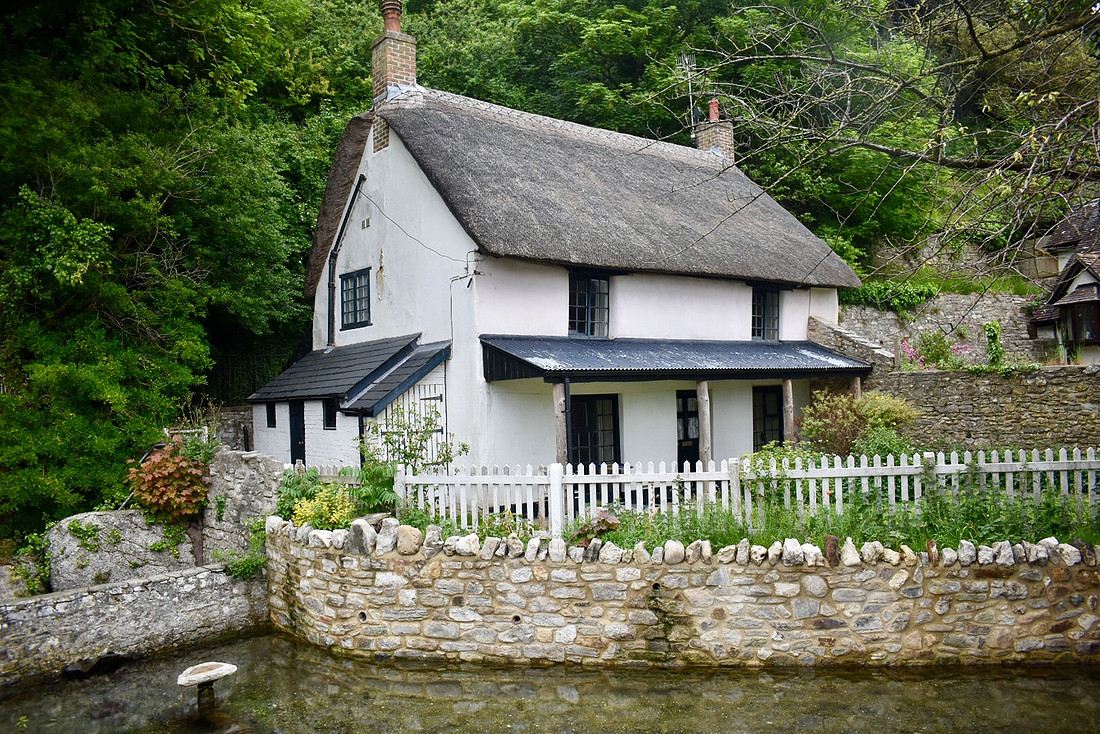
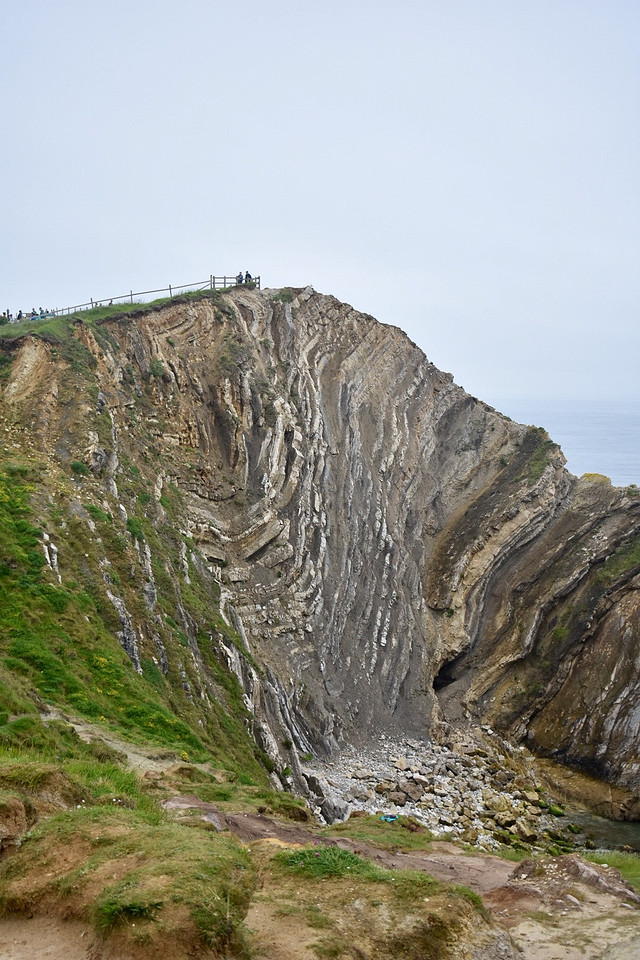
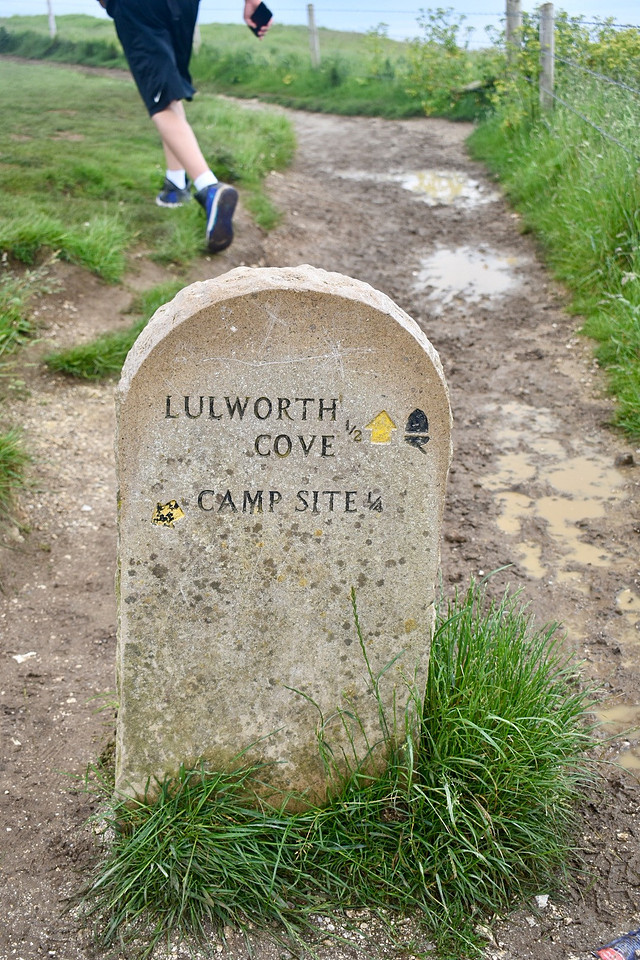
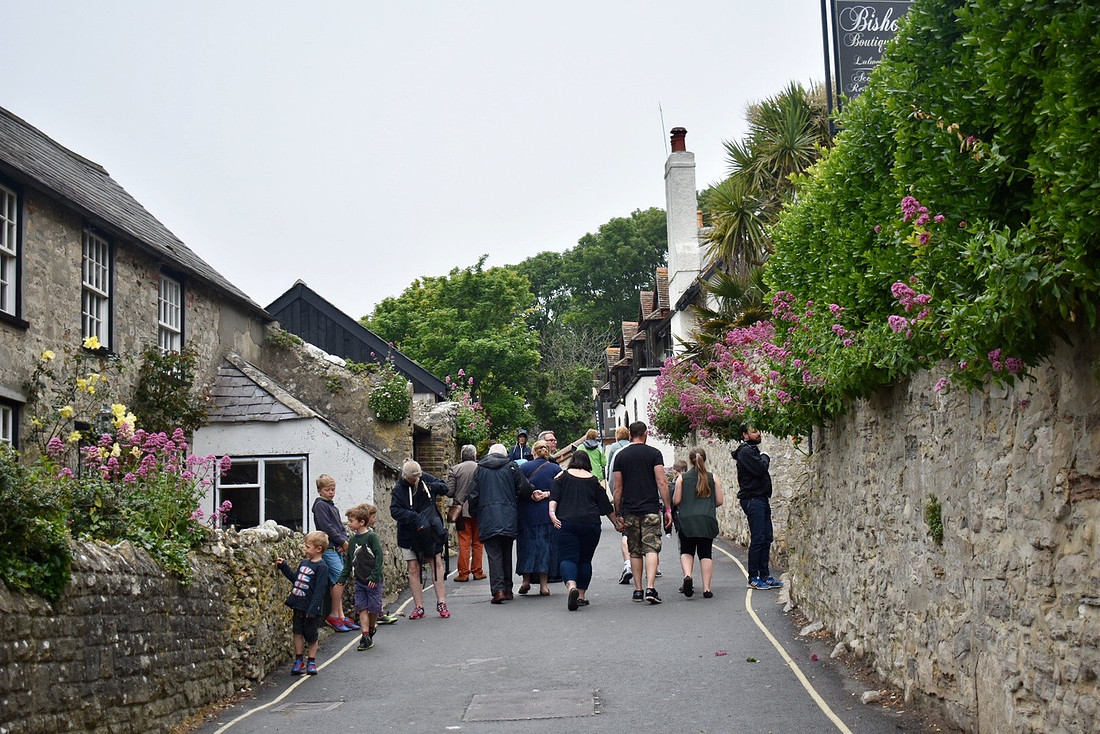
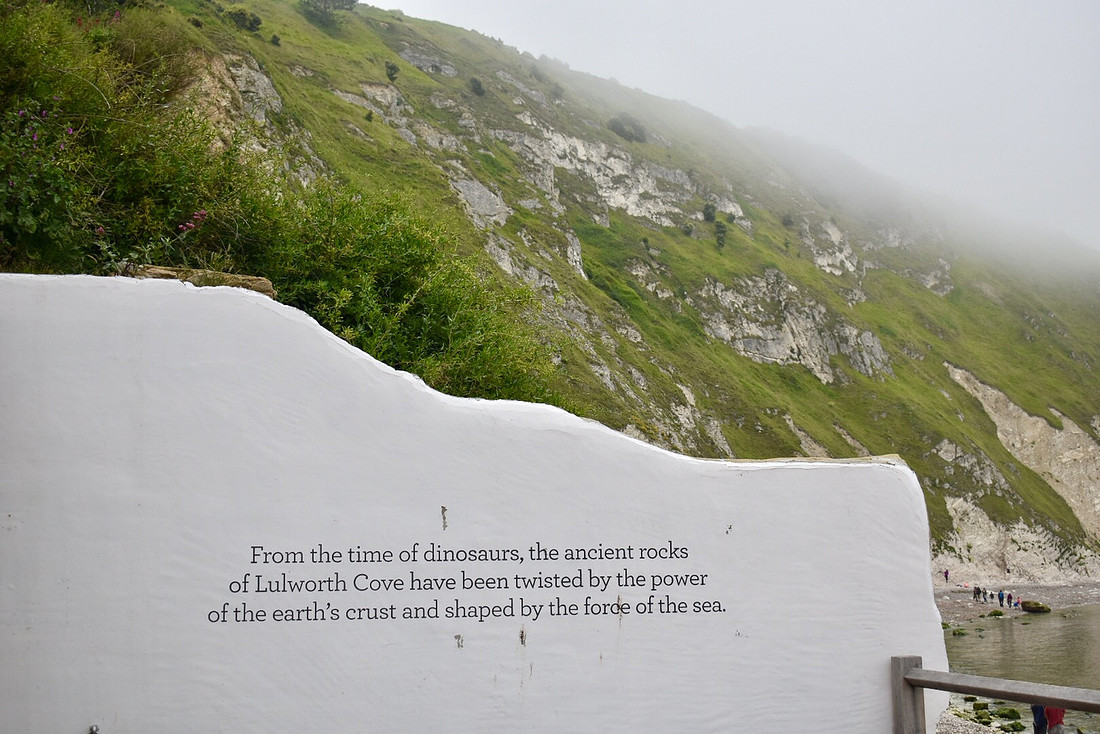
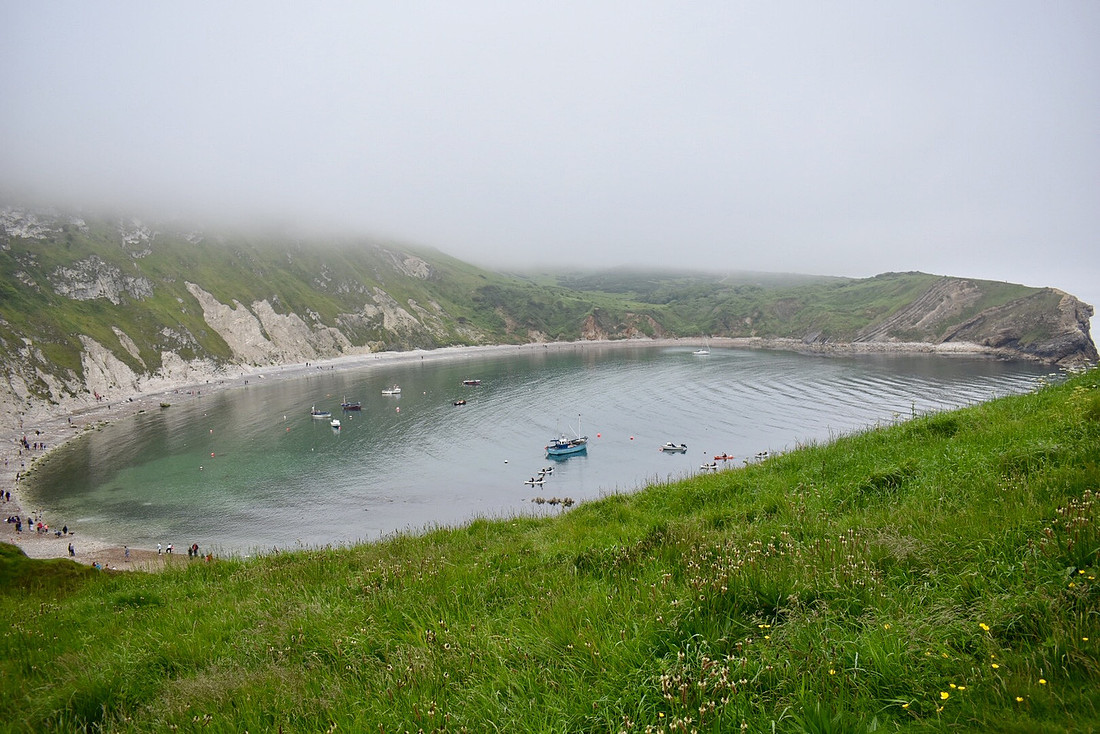
After taking in the views of Durdle Door we hiked back up the hill (and it is a hike!) to the path that leads to Lulworth Cove. This is a hike you must do! As you crest the top of the cliff you can start to see Lulworth Cove tucked away down below. It was foggy when we visited which made for interesting views as the fog rolled in and then started to fade away as we neared Lulworth Cove. Lulworth Cove is a rural retreat nestled in undulating countryside. Formed by the combined forces of the sea and a river swollen by melting ice at the end of the last Ice Age, Lulworth Cove is world famous for its unique geology and landforms. It’s on my to-do list to stay for a weekend in this quaint community with thatched roofs and pebbled beaches!
A note on staying safe and enjoying the coast:
The Jurassic Coast is constantly eroding. This erosion has created the beautiful coastline that we see today, but it’s important to remember that rock falls and landslides are part of this process. Although they are more likely to occur after heavy rainfall or storms, rock falls and landslides can happen at any time. The Jurassic Coast is a wonderful place to visit, but it’s important to use common sense and caution – and always pay attention to warning signs and messages about how to stay safe. Here are some safety tips.
Spectacular Views at Seven Sisters, Birling Gap, and Beachy Head
Visiting the chalk cliffs on the English Channel near Eastbourne in East Sussex should be on everyone's your bucket list!
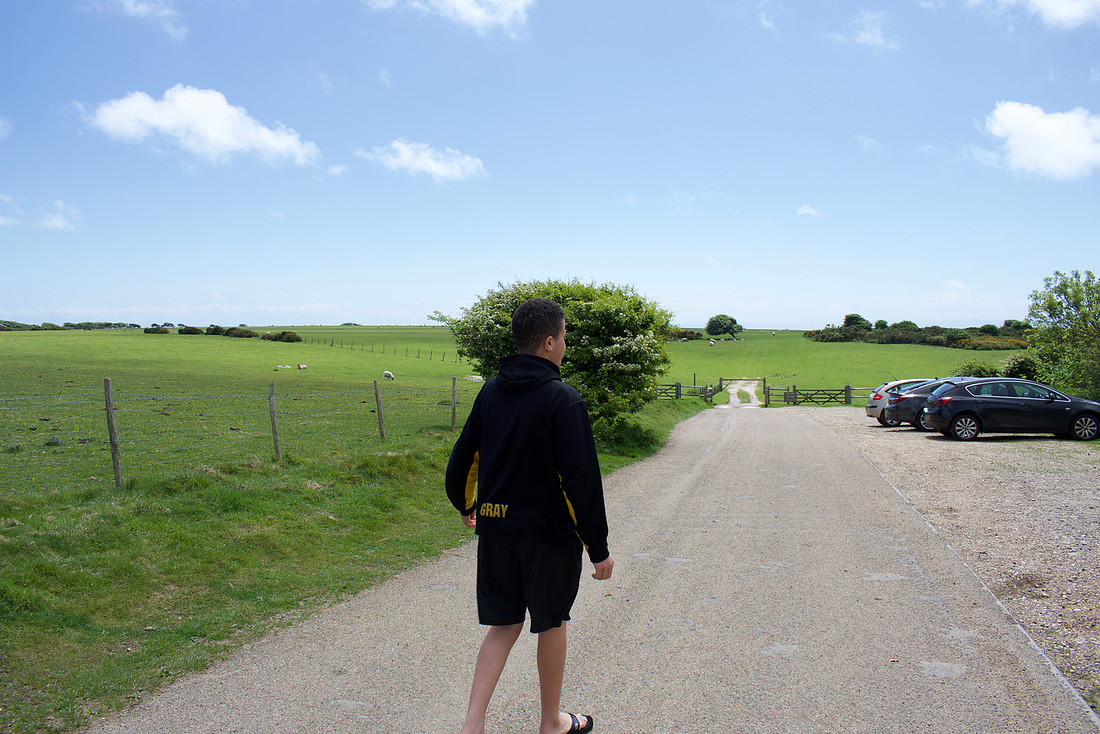
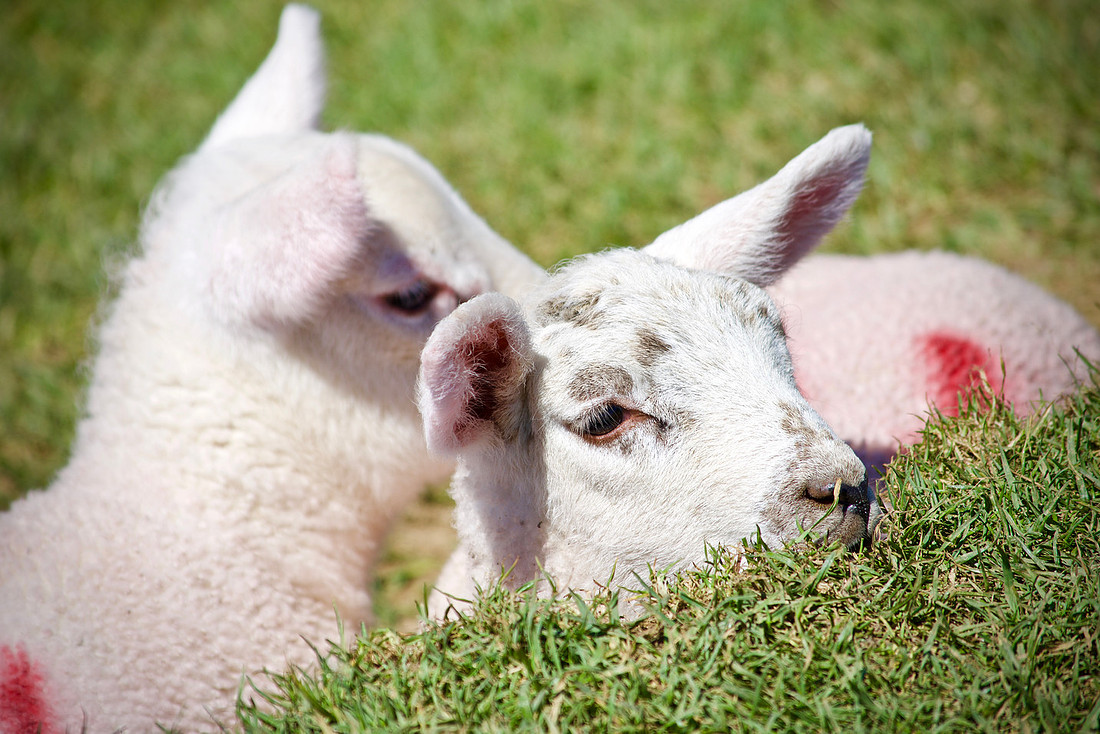
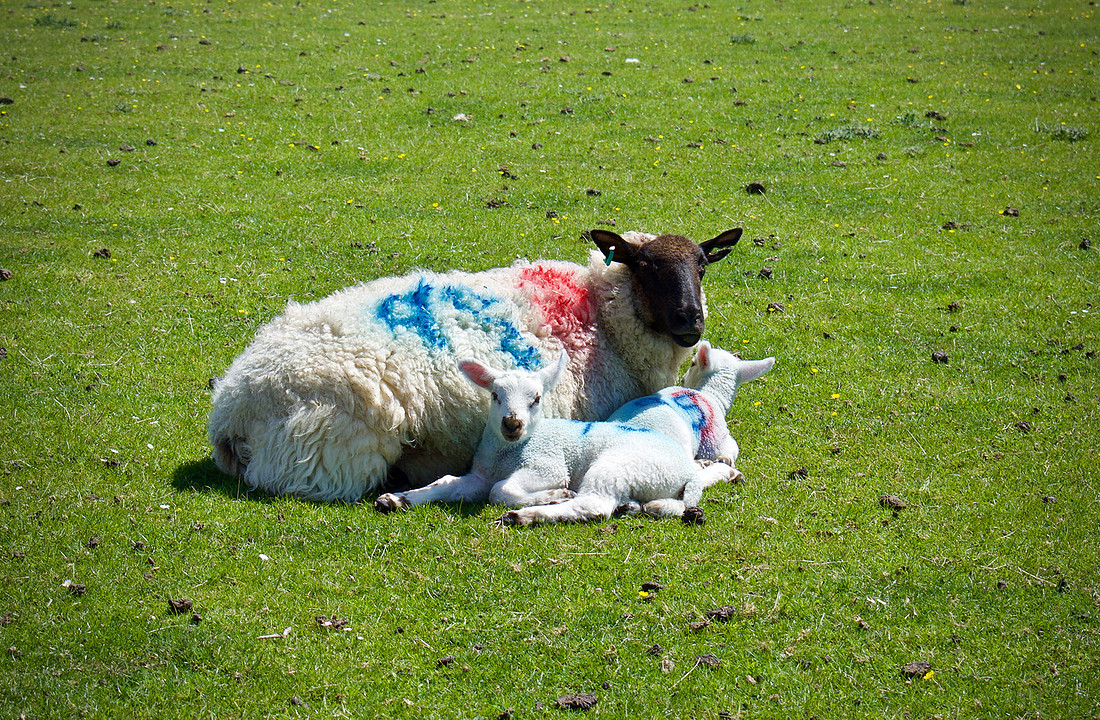
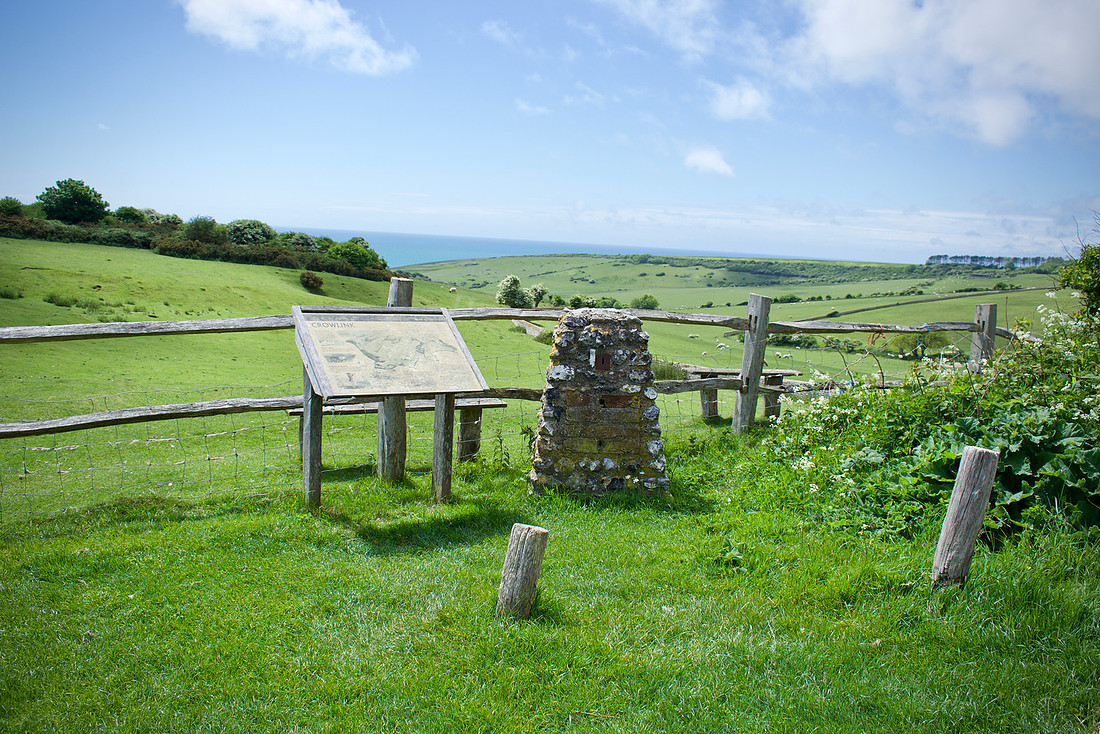
We walked through pastures of lush green farmland on our trek to the Seven Sisters, and I must admit that this was a highlight because of the adorable sheep grazing all around us. I suspect some were marked by the farmers just before rainfall, which resulted in pink and blue sheep!
First stop: Seven Sisters
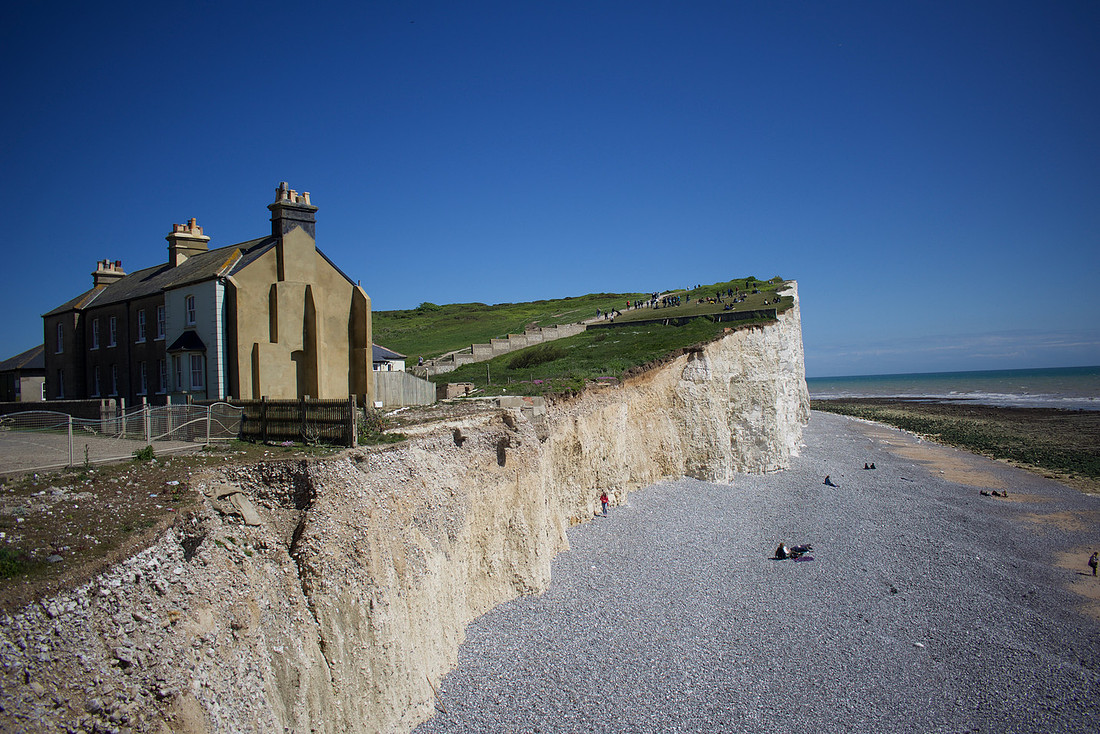
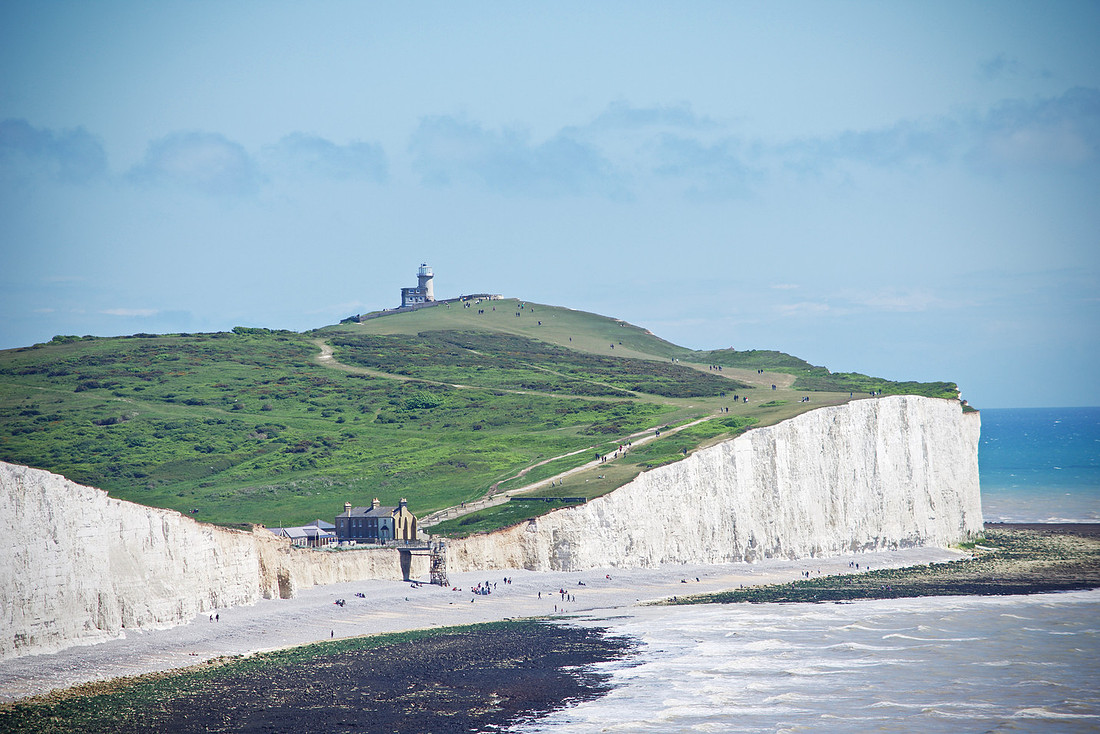
The world famous Seven Sisters chalk cliffs, one of the longest stretches of undeveloped coastline on the south coast, provide unspoilt views of the sea from all angles. The Seven Sisters have appeared in films as diverse as ‘Chitty Chitty Bang Bang’, ‘Robin Hood: Prince of Thieves’, ‘Harry Potter and the Goblet of Fire’, ‘Brighton Rock’ and even a James Bond film, ‘The Living Daylights’.

Second Stop: Birling Gap
Birling Gap provides a point of entry for coastal walks. The beach at Birling Gap is set at the base of the imposing, sheer chalk cliffs known as the Seven Sisters. Despite being set between the well known seaside resorts of Eastbourne and Brighton this is one of the longest stretches of undeveloped coastline on England's south coast.
Final stop on our trek: Beachy Head
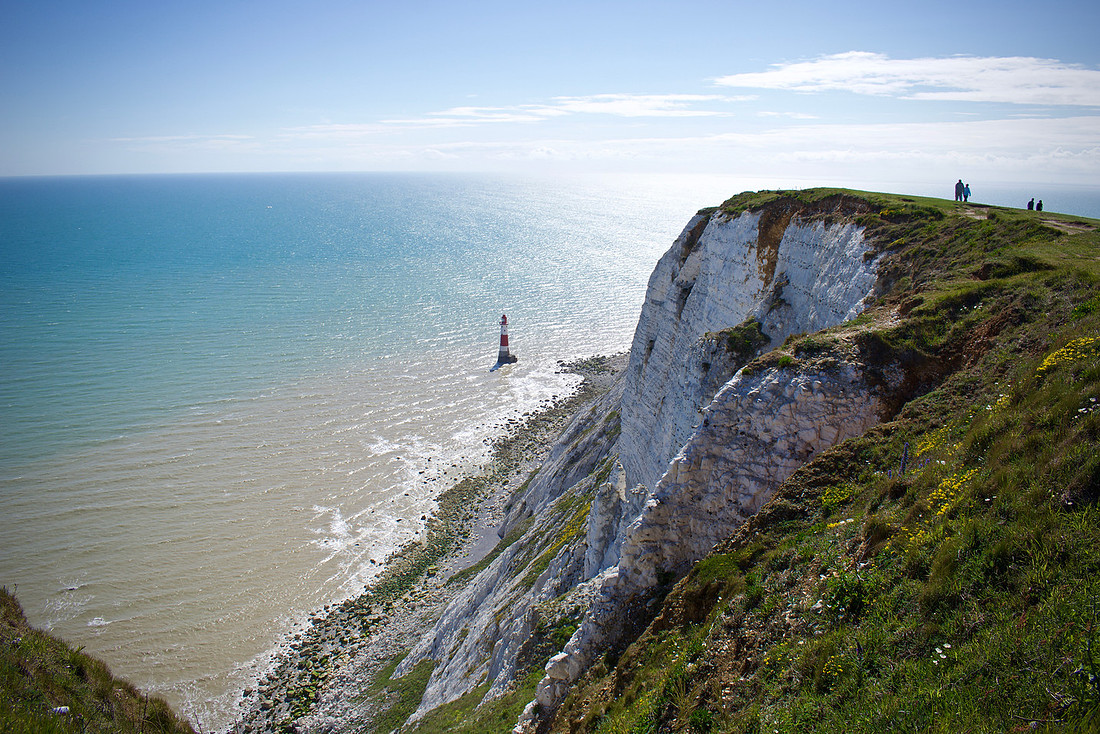
Beachy Head cliff is the highest chalk sea cliff in Britain, rising to 162 metres (531 ft) above sea level. The imposing cliffs are draw you in but they are not without risk. Visitors are warned to stay a safe distance away from the cliff edge which is very unstable and strongly advised not to walk the beach between Cow Gap and Birling Gap. Tide changes and regular cliff falls make this walk both difficult and dangerous.
On a sad note: this is one of the top suicide spots in the world. Beachy Head Chaplaincy Team patrols the cliffs day and night providing crisis intervention and search and rescue services. The Team averages over 760 searches resulting in over 270 rescues each year since 2009.
The coastline is eroding 10 times faster than the past few thousand years due to human management and changes in storm intensity. The cliffs erode an average of about 1 metre a year! So, get travelling and put the chalk cliffs on the English Channel on your must-see list!
Herstmonceux Castle's Canadian Connection
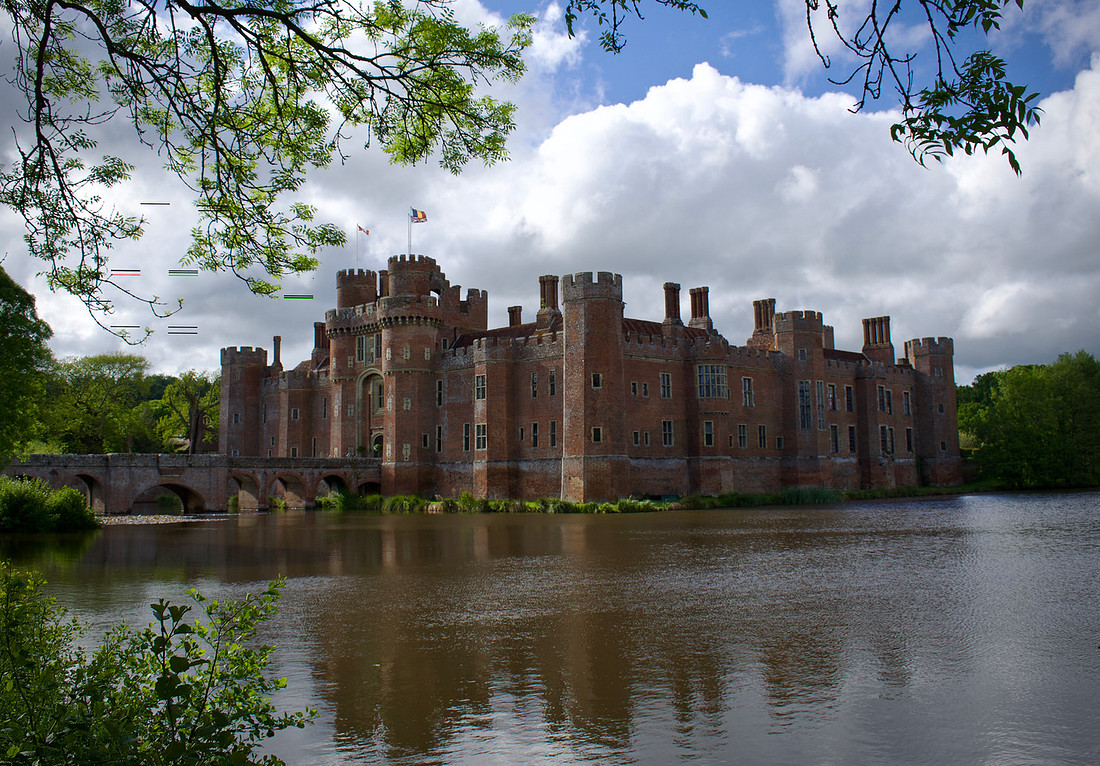
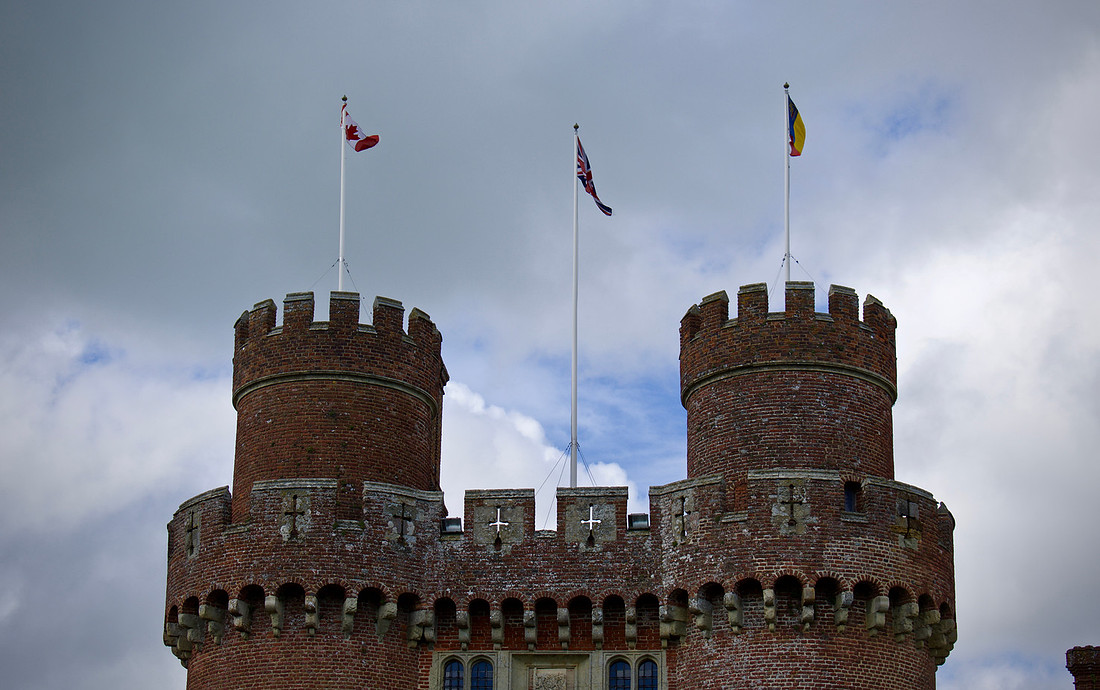
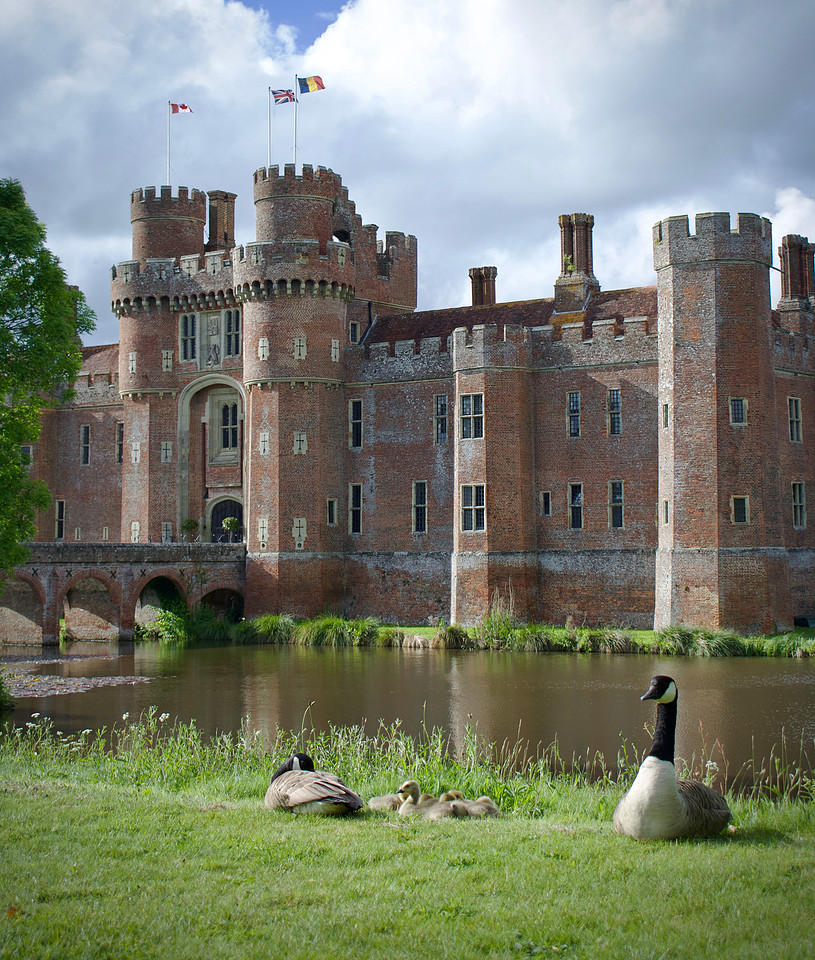
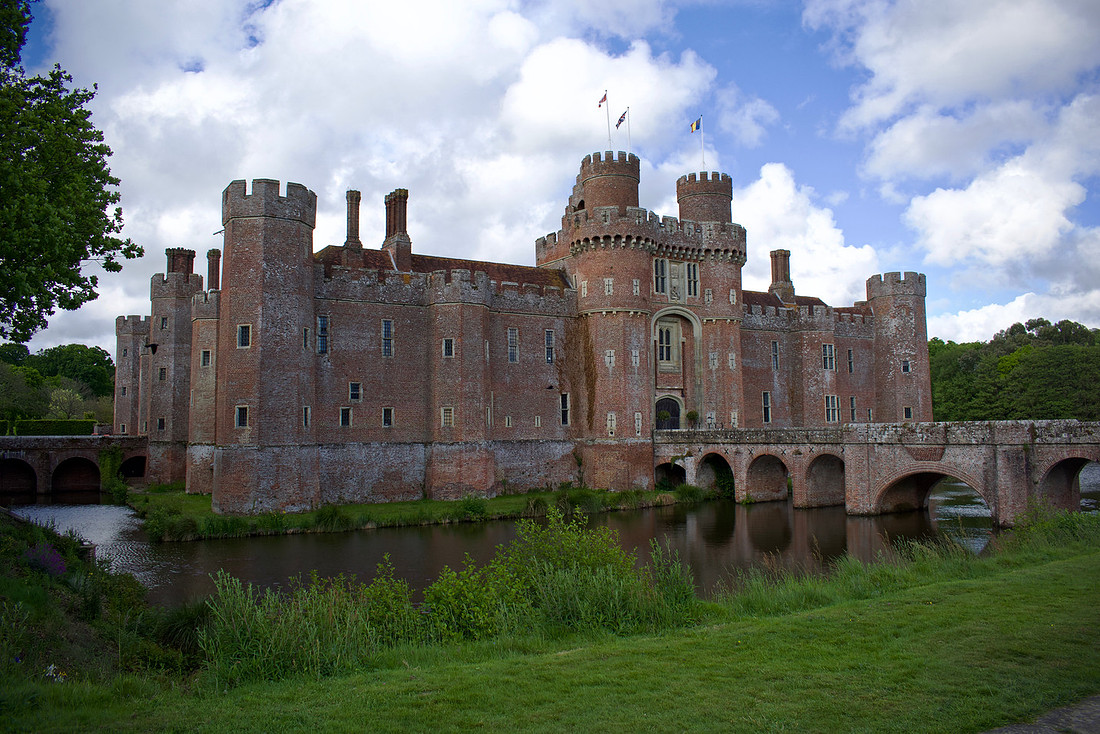
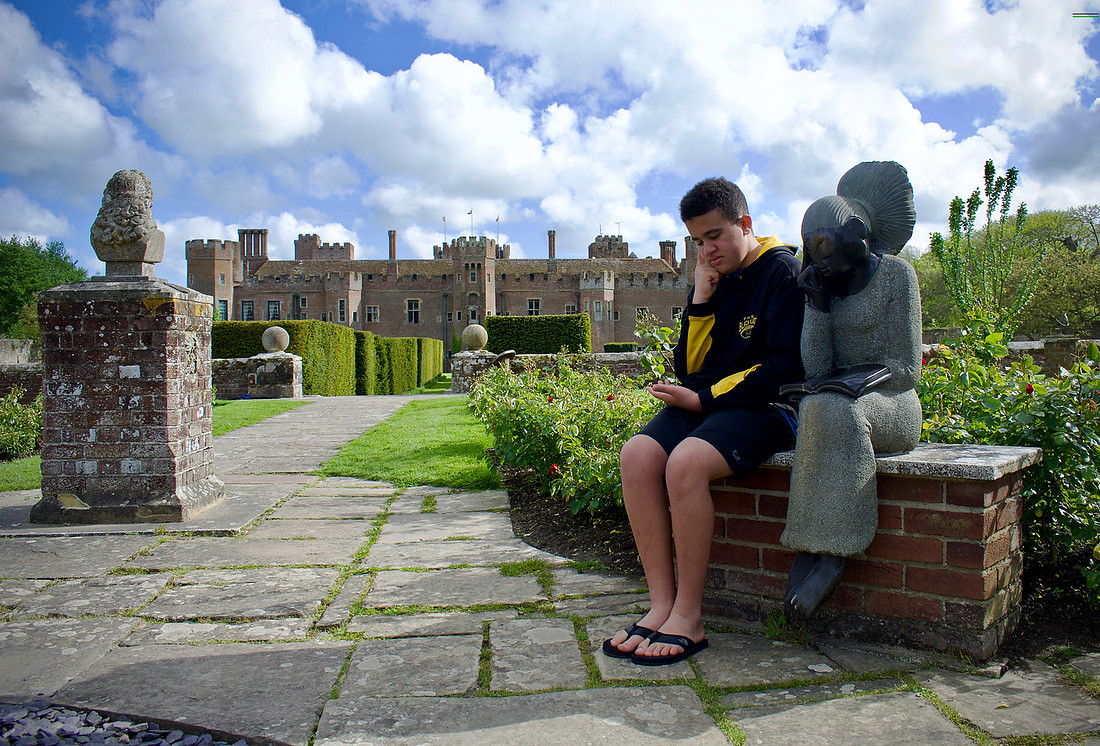
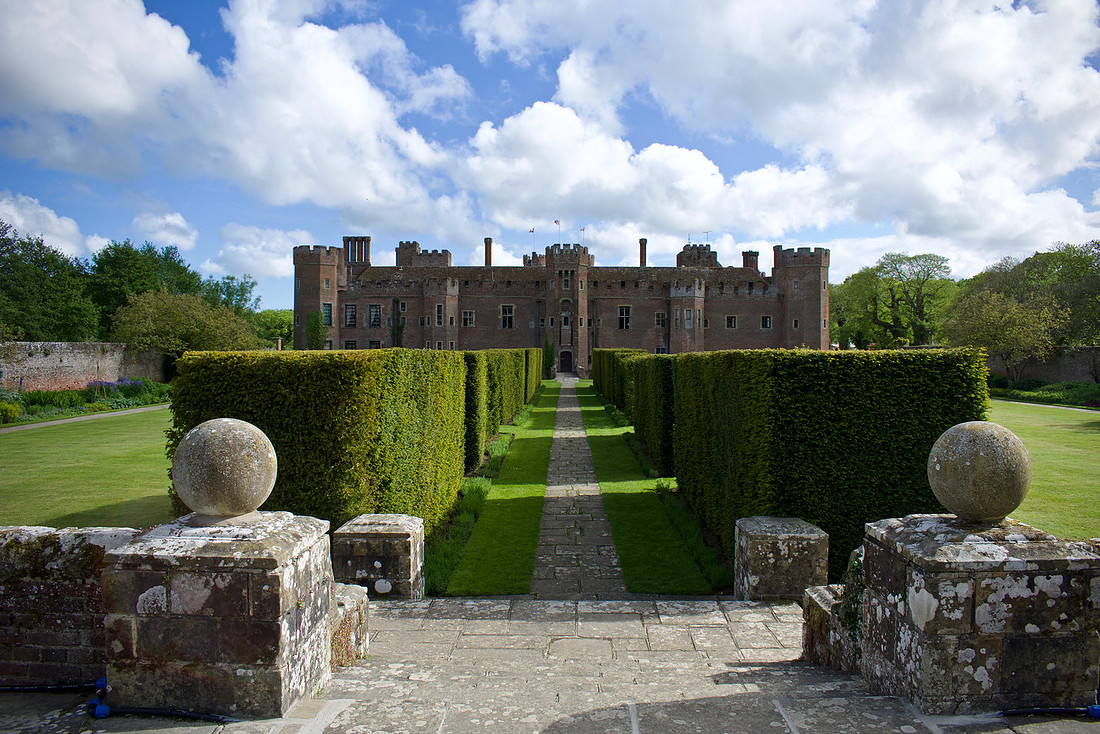
We stopped at Herstmonceux Castle while exploring the Eastbourne area in East Sussex, England. Little did we know that the castle operates as an International Study Centre for Queen’s University in Canada! Herstmonceux Castle is one of the oldest (construction began in 1441) significant brick buildings still standing in England; brick was an unusual material for the time in Britain. The builders of Herstmonceux Castle concentrated more on grandeur and comfort than on defence. Made from red brick Herstmonceux Castle is one of the earliest examples of a brick built building in England. Herstmonceux consists of a 300 acre estate including woodland, formal themed gardens and of course a 15th century moated castle.
In 1992 Alfred Bader, an alumnus of Queen's University, Ontario, learned of the castle's vacancy and offered to purchase the castle for his wife; she declined, joking that there would be "too many rooms to clean". Bader later contacted then-Principal of Queen's University, David Chadwick Smith, asking if a castle might fit into the school's plans, possibly as an international study centre.
In 1994, after intensive renovations, the Queen's International Study Centre was opened. It hosts primarily undergraduate students studying arts or commerce through the Canadian University Study Abroad Program (CUSAP), as well as graduate students studying Public International Law or International Business Law. In late January 2009, the ISC was renamed the Bader International Study Centre.
The BISC's internationally themed courses combined with field studies throughout England and Europe introduce students to both academic excellence and exploration of the world. BISC provide students with an international perspective, a strong grounding in communication, core degree courses, and a sense of social and global awareness.